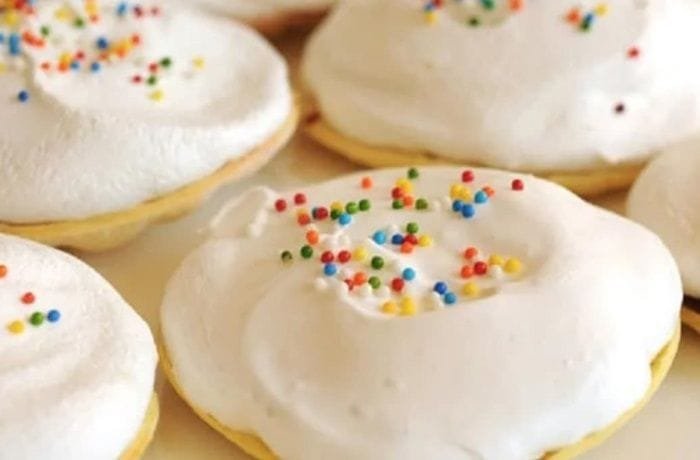
Chilean meringue cups — known as tacitas de merengue — are one of the most recognizable sweets in traditional Chilean baking. Each piece is a small baked pastry shell, no larger than a bite, filled with a dome of glossy Italian meringue lightly toasted at the tips. The combination of the buttery, slightly crisp shell against the soft, sweet meringue is what has kept this dessert on Chilean celebration tables for generations.
The recipe calls for two separate preparations — the pastry shell (hojarasca) and the meringue — but neither is technically demanding. Total active time sits under 40 minutes, and the yield of 12 cups makes them practical for a gathering or a national holiday spread.
How to Make Chilean Meringue Cups?
The process divides into three clean stages. First, mix and rest the dough, then shape and bake the shells in muffin molds until just golden. While the shells cool, beat the egg whites with cream of tartar and sugar to a stiff, glossy meringue, fold in the vanilla, pipe into the shells with a pastry bag, and finish with a kitchen torch for the signature caramelized tips. Assembly takes minutes once both components are ready.
Nutritional Information
Each meringue cup provides approximately 120 kcal, 25 g carbohydrates, 0 g fat, 2 g protein, 0 g fiber, 24 g sugar, 0 mg cholesterol, and 45 mg sodium. Values are estimates and vary with ingredient brands and portion size.
Homemade Chilean Meringue Cups Recipe
Prep time: 20 minutes
Cook time: 15 minutes
Servings: 12 cups
Ingredients
1. Pastry Shell (Hojarasca)
- 120 g (1 cup) all-purpose flour
- 60 g (4 tablespoons) melted butter
- 1 small egg
- ¼ cup sugar
- ¼ teaspoon salt
- 1 teaspoon baking powder
2. Meringue
- 3 egg whites
- ½ teaspoon cream of tartar
- ½ cup sugar
- 1 teaspoon vanilla extract

Instructions
- In a large bowl, combine the flour, baking powder, sugar, and salt. Add the melted butter and mix until the mixture resembles coarse sand. Add the egg and mix until you have a smooth, cohesive dough.
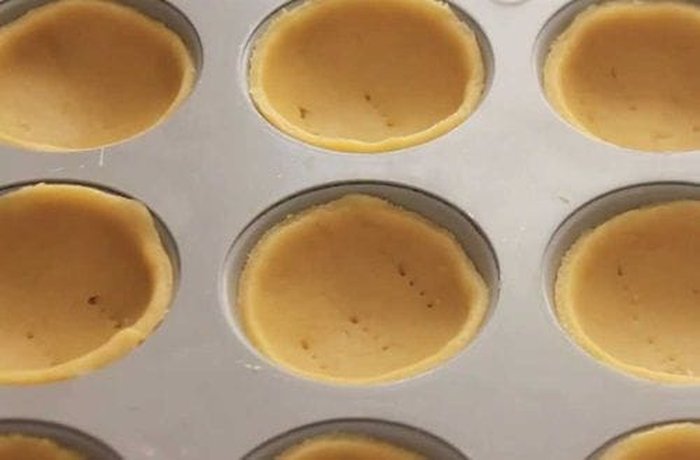
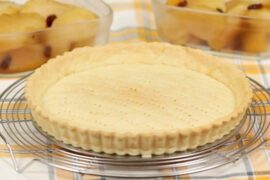
- Wrap the dough in plastic wrap and refrigerate for 15 minutes. Preheat the oven to 180°C (356°F). On a lightly floured surface, roll out the dough and cut small circles 5 to 7 cm in diameter. Press each circle into a greased muffin tin, shaping the edges slightly upward to form a small cup. Bake for 10 minutes until lightly golden. Let cool completely before filling.
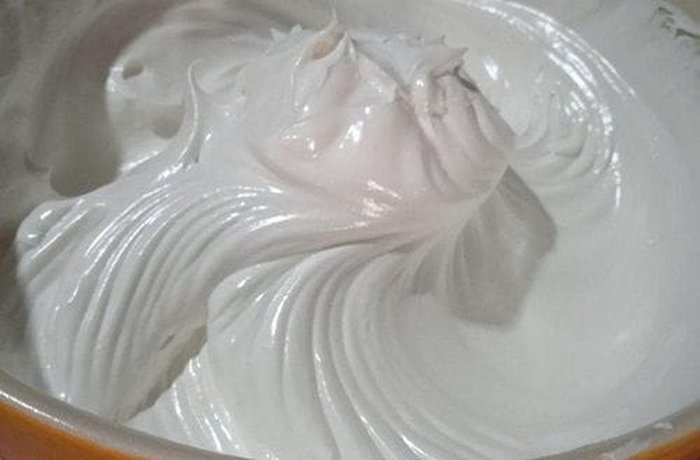
- In a clean, completely dry bowl, beat the egg whites with the cream of tartar until soft peaks form. Add the sugar gradually while continuing to beat until the meringue is stiff and glossy. Fold in the vanilla extract gently.
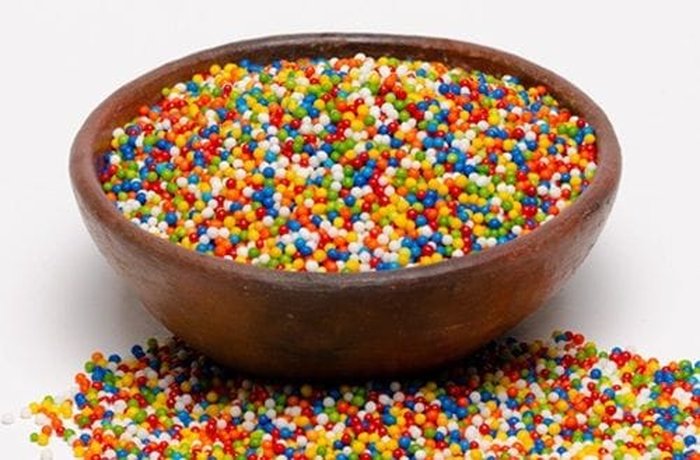
- Transfer the meringue to a pastry bag fitted with a star tip and pipe it into the cooled pastry shells, filling each cup generously. Toast the meringue tips lightly with a kitchen torch until golden. Decorate with colored edible sprinkles (mostacillas) for a festive finish.
Additional Tips
Add cornstarch for a crispier shell
Replacing a tablespoon of flour with cornstarch in the pastry dough produces a shell with more snap. Prick the dough with a fork before baking to prevent air bubbles from lifting the base and distorting the cup shape.
Start with room-temperature egg whites
Cold egg whites take longer to reach stiff peaks and produce a less stable meringue. Pull the eggs from the refrigerator 30 minutes before you begin. The bowl and beaters must also be completely grease-free — any trace of fat will prevent the whites from whipping properly.
Fill the cups as close to serving time as possible
The baked shells are crisp when they come out of the oven, but meringue transfers moisture. The longer the cups sit assembled, the softer the base becomes. Pipe and torch right before serving for the best texture contrast.
Frequently Asked Questions (FAQs)
1. Can I use French or Swiss meringue instead of Italian?
Yes, though Italian meringue is recommended because it is the most stable. French or Swiss meringue work well if you plan to serve the cups on the same day.
2. How long do assembled meringue cups keep?
Ideally eat them the same day. If already filled, store in an airtight container in a cool, dry place for up to 24 hours. Humidity softens the shell quickly.
3. Can I toast the meringue in the oven instead of using a torch?
Yes. Place the filled cups under the oven broiler on high for 1 to 2 minutes, watching closely the entire time to prevent burning.
4. Can the pastry shell be made without egg?
Yes. Replace the egg with 2 tablespoons of cold water and half a tablespoon of white vinegar for a neutral, crispy shell that holds its shape well.
What Are Chilean Meringue Cups?
Tacitas de merengue are part of a broader family of traditional Chilean sweets known as chilenitos — small, bite-sized confections that appear at national holidays, family celebrations, and school fairs across the country. The defining characteristic of the tacita is its two-component structure: a free-standing pastry shell sturdy enough to hold its shape, and a meringue filling that contrasts in texture and sweetness. Unlike many desserts where the two elements become one during baking, the tacita keeps them distinct — the shell stays crisp, the meringue stays airy.
History of Tacitas de Merengue in Chile
The meringue tradition in Chile traces back to European pastry influence during the 19th century, when French and Spanish baking techniques entered Chilean urban kitchens through immigration and trade. Meringue quickly became a staple of Chilean celebration cooking, appearing in layer cakes, as a topping for pies, and in standalone forms like the tacita. Over time the format became associated specifically with Fiestas Patrias — the Chilean national holidays in September — where it is a fixture at ramadas (traditional outdoor celebrations) and home gatherings alongside other chilenitos such as empolvados and brazo de reina.
Did You Know?
Meringue comes in three distinct types, each defined by its preparation technique. Italian meringue is made by pouring hot sugar syrup into the beaten whites, producing the most stable and glossy result — the standard for piped decorations like tacitas. French meringue uses raw sugar beaten directly into the whites; it is lighter but less stable. Swiss meringue is cooked over a double boiler before beating, landing between the other two in terms of structure and sheen.