
Chilean sweets, also known simply as “chilenitos,” are century-old desserts that were traditionally made in the areas of Curacaví, Melipilla, or La Ligua. Here we share a wonderful recipe from Chef Daniela Pizarro that will bring back unforgettable memories and help you create new ones with your family.
Nutrition Facts
Each serving of Chilenitos (1 cookie) contains approximately 180 kcal, 28 g of carbohydrates (including 18 g of sugar), 7 g of fat, 3 g of protein, 45 mg of cholesterol, and 50 mg of sodium. (*)
(*) Estimated values based on a medium-sized Chilenito. Nutritional content varies if the cookie is covered in meringue or powdered sugar.
How to Make Chilenitos or Chilean Sweets
Chilean sweets, chilenitos, or sweets from La Ligua, along with príncipes and alfajores, use a common base of hojarascas (crumbly pastry) and manjar (dulce de leche), traditionally accompanied by meringue and jam. They are made with very simple ingredients but yield astonishing results.
Preparation Time: 45 minutes
Cooking Time: 90 minutes
Servings: 6 people
Ingredients
1. Hojarascas
- 125 g of flour
- 3 egg yolks
- 1 egg
- 1 tablespoon of Chilean pisco
- 1 tablespoon of vanilla
- 1 teaspoon of orange zest
2. Meringue
- 200 g of white sugar
- 100 g of egg whites

Instructions
1. Hojarascas
- Prepare all ingredients measured and separated in small glass bowls before starting (mise en place). In a large bowl, add the sifted flour and orange zest, and mix with your fingers. Incorporate the egg and egg yolks, and mix again. Add the pisco and vanilla, and stir gently to integrate all ingredients from the edge towards the center, without kneading.
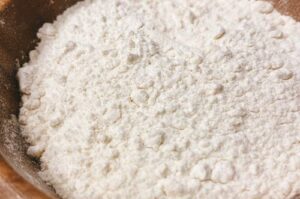
- Sprinkle some flour on the dough, transfer it to a clean surface, and knead with your hands for a couple of minutes until you get a smooth, homogeneous mixture that doesn’t stick to the table, adding more flour if necessary. Wrap in cling film and let rest at room temperature for about 10 minutes.
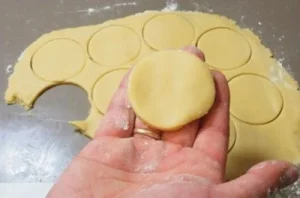
- Divide the dough in half, keep one wrapped in cling film, and roll out the other half on a floured surface to about 2 to 3 mm thickness. Cut discs with a 10 cm diameter mold and repeat with the rest of the dough.
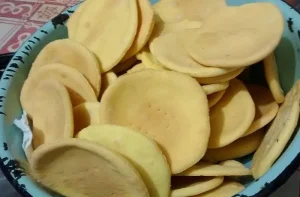
- For flat hojarascas, prick each disc with a fork 3 to 4 times. For coiled hojarascas, just gently press the center of the disc with a moistened index finger. Reserve everything on a baking tray covered with kitchen paper, and bake in a preheated oven at 180°C (356°F) for 7 minutes until lightly golden. Remove and cool to room temperature. Lower the oven temperature to 100°C (212°F) and maintain until assembly.
2. Meringue
- For the bain-marie, fill a medium pot with water up to one-third of its capacity, heat without boiling, and place a medium bowl on top without the base touching the hot water.
- Add the egg whites and sugar to the bowl, and stir gently for a couple of minutes with a spoon to dissolve the sugar and pasteurize the egg. Check with your fingers to make sure no sugar crystals remain.
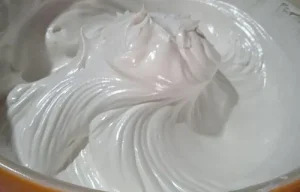
- With a hand mixer, beat at high speed in circular motions without removing from the bain-marie until the meringue begins to gain consistency. Remove the bowl and continue beating for another 4 to 5 minutes until the meringue acquires a creamy and stable texture that adheres to a spoon without falling when turned upside down.
How to assemble Chilenitos with Manjar
- To make chilenitos, fill a pastry bag with manjar and cover the surface of one hojarasca. Top with a second hojarasca, cover again with manjar, and close with a third hojarasca. Gently press to settle and align.
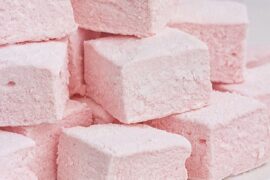
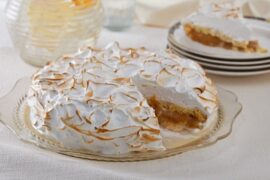
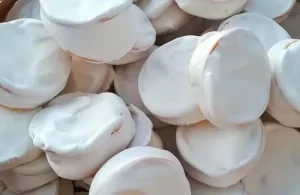
- Hold the chilenito with your fingers and fill the edges with meringue using a small spatula or blunt knife. Cover the top with meringue and level it. Reserve on a baking tray covered with kitchen paper. Continue with the princes.
How to assemble Chilean Príncipes
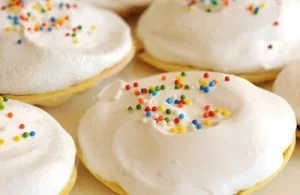
- For príncipes, take one of the curved hojarascas and cover with a tablespoon of raspberry jam or alcayota (Chilean squash) sweet. Hold with the fingertips and cover the jam with meringue using a soup spoon, forming a sort of shell.
- Optionally decorate with colored sprinkles and reserve on the baking tray with the chilenitos.
- Place the tray with chilenitos and príncipes in the oven at 100°C (212°F) for 20 minutes to dry, without browning the meringue. Remove and cool to room temperature.
How to assemble Chilean alfajores
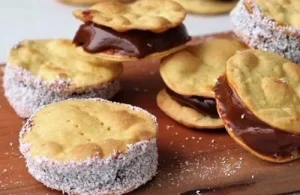
- For alfajores, cover the surface of one hojarasca with manjar, top with another hojarasca, cover again with manjar, and close with a third hojarasca.
- Gently press to settle, fill the edges with manjar, spread with a spatula, and coat with ground hojarascas crumbs or grated coconut.
Frequently Asked Questions (FAQ)
What are Chilenitos?
Chilenitos are traditional Chilean sweets consisting of two or more layers of thin, crisp pastry (hojarasca) sandwiched together with a thick filling of manjar (Chilean dulce de leche). They can be coated in meringue or simply dusted with powdered sugar.
What is the difference between Chilenitos and Alfajores?
In Chile, the term “alfajor” often refers to cookies made with a softer, cornstarch-based dough (maicena) or flour dough, while chilenitos specifically use the thin, crunchy, and flaky hojarasca pastry.
Can I use store-bought dulce de leche?
Yes, but look for the “Pastelero” (baking) or “Repostero” variety. Standard dulce de leche is often too runny and will cause the layers to slide apart. If yours is too thin, you can thicken it by heating it with a little cornstarch.
How do I keep them crispy?
The humidity is the enemy of Chilenitos. Store them in an airtight container in a cool, dry place. If you live in a humid area, it is best to fill them just before serving to ensure the pastry stays perfectly crunchy.
Why did my pastry layers puff up too much?
You must prick the dough circles thoroughly with a fork before baking. This allows steam to escape and prevents the hojarasca from rising, keeping the layers flat and crisp.
Did You Know?
Chilenitos, or Chilean sweets, experienced their heyday in the 50s and 60s, sold by “palomitas,” women adorned with a basket and a characteristic white apron that made them unmistakable.