Kibbeh nayyeh is a delicate dish from the Middle East, especially popular in Lebanon, Syria, and Palestine, and it calls for real care since it’s made with raw meat, but when prepared correctly it’s a truly unique dish.
Nutritional Information
Each serving of kibbeh nayyeh contains approximately 300 kcal, 20 g of protein, 18 g of total fat (7 g saturated fat), 70 mg of cholesterol, 15 g of carbohydrates, 2 g of sugars, and 400 mg of sodium. (*)
(*) Values may vary depending on ingredients and portion sizes.
How to Make Kibbeh Nayyeh?
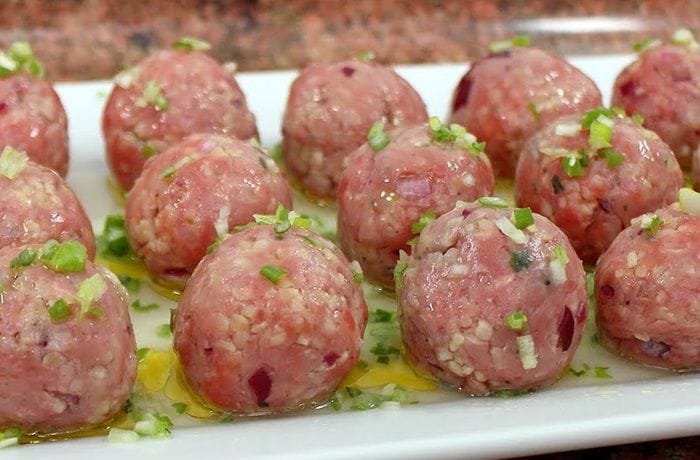
Kibbeh nayyeh is made with lean ground meat (lamb or beef) mixed with soaked bulgur wheat, onion, fresh mint, and spices like cinnamon and pepper. The key is ingredient freshness and a careful mixing process to get the perfect texture.
Prep time: 30 minutes
Servings: 4 people
Ingredients
- 500 g lamb or beef
- 250 g fine bulgur
- 1 medium onion, chopped
- 1 teaspoon salt
- ½ teaspoon pepper
- ½ teaspoon cumin
- ½ teaspoon cinnamon
- Fresh mint leaves
- Olive oil
- Pita bread
- Lemon slices
Instructions
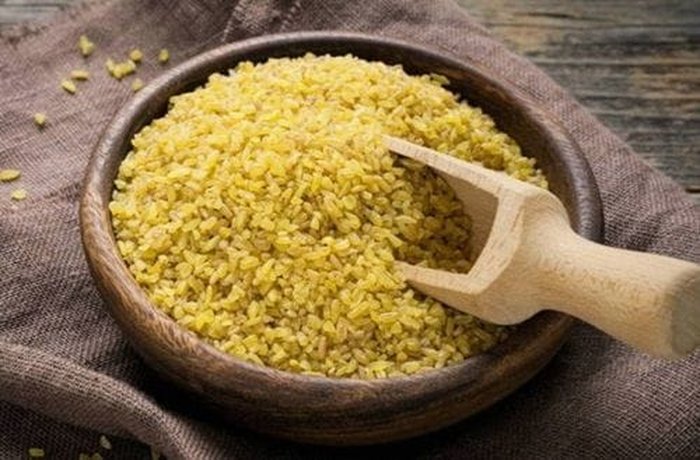
- Place the bulgur in a bowl and cover with cold water. Let it sit for 10 minutes, or until it absorbs the water and softens. Drain well, pressing to remove excess liquid.
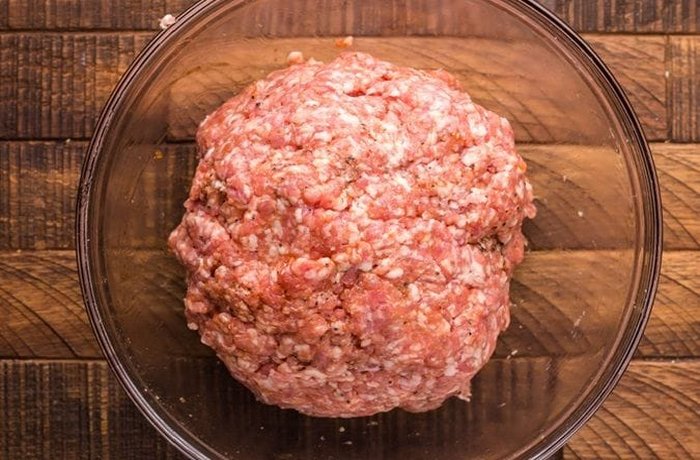
- In a large bowl, combine the ground meat with the chopped onion, salt, pepper, cumin, and cinnamon. Mix well until evenly combined.
- Add the drained bulgur to the meat mixture and knead with clean hands for several minutes, making sure every ingredient is fully incorporated. If you like, add chopped mint leaves for a fresh touch.
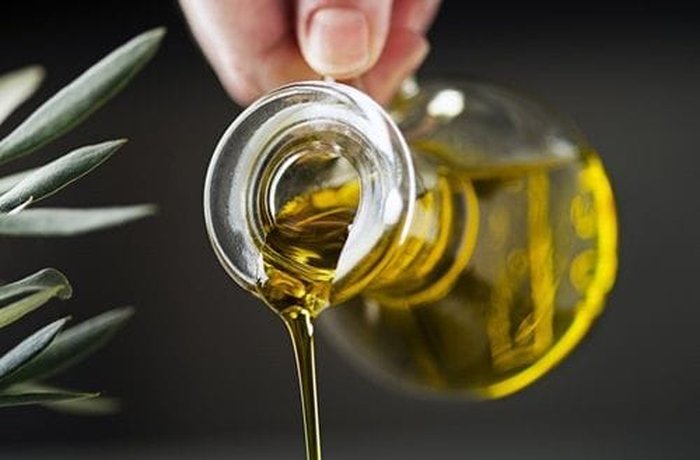
- Spread the mixture on a large plate, smoothing the surface with a spatula or damp hands. Make small indentations on top and drizzle with a thread of olive oil. Serve with pita bread and lemon slices.
Preparation Tips
Since kibbeh nayyeh is eaten raw, it’s crucial to use ground meat from the same day, from a trusted butcher, kept properly refrigerated at all times. The kneading should be vigorous and prolonged so the bulgur’s starch fully binds with the meat, creating that signature silky, smooth texture.
| Substitution | Use instead of | Effect |
|---|---|---|
| Lean beef tenderloin | Lamb | Milder flavor, same safe fresh-meat rule applies |
| Food processor (short pulses) | Hand kneading | Faster mixing, watch for overworking |
| Dried mint | Fresh mint | More concentrated, slightly less bright |
| Flatbread | Pita bread | Similar scooping vehicle |
Frequently Asked Questions (FAQs)
1. What is bulgur?
Bulgur is a cereal made from durum wheat that’s boiled, dried, and cracked, keeping its bran, which gives it a high nutritional value. It’s a versatile ingredient, ideal for dishes like kibbeh, salads, and stews.
2. Which type of raw meat is safest?
Beef is the most common and generally the safest option if bought the same day, ground on the spot, and cut from a lean part (such as tenderloin or filet). Avoid pre-ground or packaged meat for this recipe.
3. Can kibbeh nayyeh be made ahead of time?
No, kibbeh nayyeh should be eaten the same day the meat is bought and prepared, ideally within a few hours of making it. It’s not safe to store this dish for later consumption or to freeze it.
4. Can I use a food processor?
Yes, although it’s traditionally kneaded by hand, you can use a food processor to mix the meat, bulgur, and spices. This speeds up blending and reduces the risk of warming the mixture, but pulse in very short bursts to avoid an overly gummy paste.
History and Origin of Kibbeh Nayyeh
Kibbeh nayyeh has ancestral roots in Bedouin culture, where shepherds ate raw meat as a source of protein and energy. Its name comes from the Arabic word “kubbeh,” meaning “ball,” referring to its classic shape when baked or fried. The raw version, known as “nayyeh,” reflects minimalist Arabic cooking, where ingredient quality comes first.
Did You Know?
In Arabic culture, serving kibbeh nayyeh is a sign of hospitality and trust. Traditionally, it’s only made with meat from the most trusted source, and it’s considered a mark of honor for the host.
How to adapt this recipe to a vegan or vegetarian version?
How to adapt this recipe to a gluten-free version?
How to adapt this recipe to a keto (ketogenic) version?
Recommended
- Homemade Sweet and Sour Sauce
- Chilean Homemade Acevichada Sauce
- Chilean Crab Claws with Mayonnaise
- Chilean Fricandela Burger