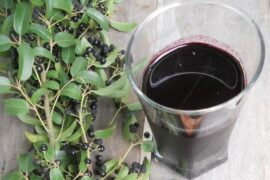
Maqui coffee is a traditional preparation that has been made for hundreds of years in southern Chile, today kept alive in only a few places, most notably the town of Tiruú. It is not coffee at all, but dried and toasted maqui berries ground and steeped like coffee grounds, producing a bittersweet drink that can be served hot or cold.
In the past, maqui coffee was drunk by farm workers during breaks in the harvest, valued as a warming, energizing infusion made entirely from a native superfruit.
How to Make Maqui Coffee?
Maqui coffee is a bittersweet preparation where the flavor of the berry comes through clearly. It’s brewed by soaking ground toasted maqui in hot water, much like ground coffee, and can be served on its own or mixed with milk.
Nutritional Information
Each serving of maqui coffee contains approximately 50 kcal, 12 g of carbohydrates, 0 g of fat, 0 g of protein, 4 g of fiber, 8 g of sugars, 0 mg of cholesterol, and 2 mg of sodium. (*)
(*) Values may vary depending on ingredients and portion sizes.
Homemade Cafe de Maqui Recipe
Prep time: 5 days
Cook time: 30 minutes
Servings: 20 people
Ingredients
- 3 kg maqui berries
- 200 ml boiled water
- 2 mint leaves
- Sugar or sweetener

Instructions
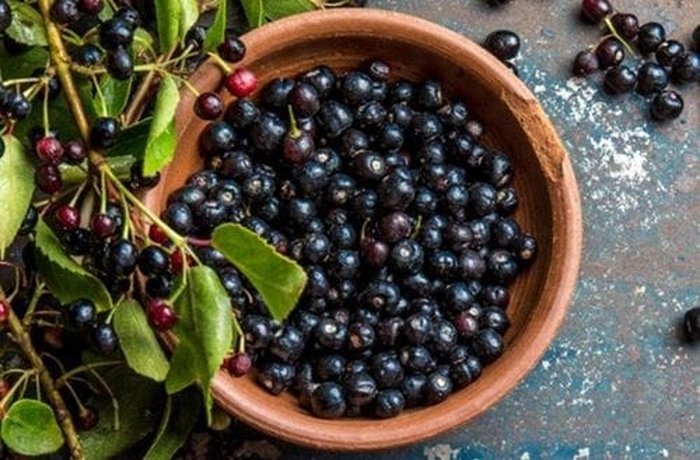
- Pick the maqui berries from the trees and remove any leaf or stem residue. In an open, sun-exposed spot such as a rooftop, spread the berries over a cloth sack and dehydrate for 5 days, bringing them in each evening to avoid moisture and mold.
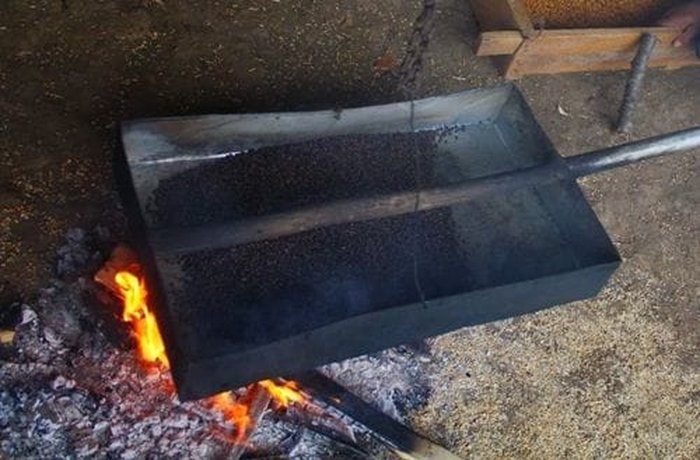
- Toast the dried maqui in a “callana,” moving it constantly in a perpendicular motion to prevent burning. The toasting time and intensity depend on the desired coffee style and heat level. Let it cool and store in clean jars.
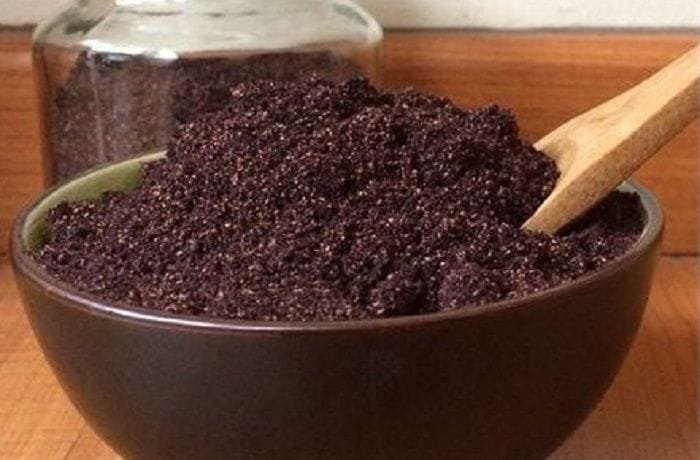
- When ready to serve, grind the toasted maqui in a stone mortar (the traditional method) or a coffee grinder. In a coffee pot with about 200 ml of boiled water, add 2 tablespoons of the ground maqui and steep for about 30 minutes until the water turns a deep color.
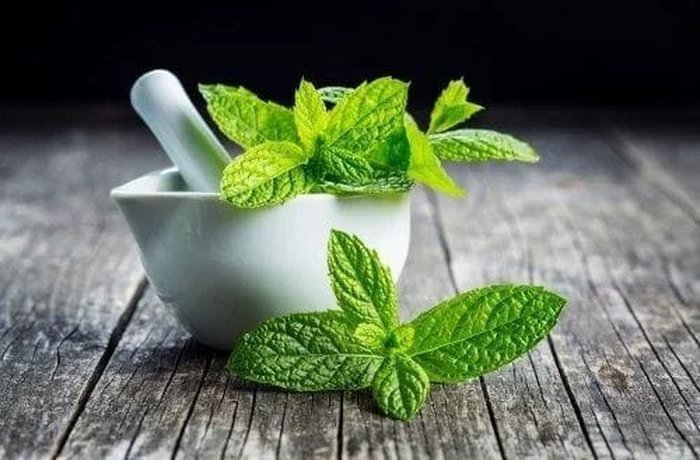
- Optionally add a couple of mint, pennyroyal, or lemon verbena leaves. Fill a third to half of the cup with the maqui concentrate, top with boiled water and/or milk, sweeten to taste, stir, and serve immediately.
Additional Tips
Control the Toast for Flavor
The toasting level defines the flavor. A light toast gives brighter, more bittersweet and fruity notes, while a darker toast develops a flavor closer to traditional coffee, bitter and earthy.
Grind Coarse, Not Fine
Grind the maqui to a texture similar to coffee grounds, not a fine powder, to make steeping easier and avoid a cloudy concentrate with excess sediment.
Check for Full Dehydration
The berries must be completely dry, hard, and brittle before toasting. If they feel soft or damp when pressed, they need more time in the sun.
| Substitution | Use instead of | Effect |
|---|---|---|
| Milk | Boiled water (for topping up) | Creamier, milder cup |
| Pennyroyal or lemon verbena | Mint leaves | Different aromatic profile |
| Coffee grinder | Stone mortar | Faster, more even grind |
| Honey | Sugar | Rounder sweetness, extra aroma |
Frequently Asked Questions (FAQs)
1. How long should I steep the maqui coffee?
The recipe recommends 30 minutes, but you can experiment. A shorter steep of 10 to 15 minutes gives a milder flavor, while 30 minutes or more creates an intense, full-bodied concentrate.
2. Can frozen maqui be used for this recipe?
Technically yes, but the dehydrating and toasting process is designed for fresh berries. If using frozen maqui, thaw it first and dry it very well with paper towels or a cloth before sun-dehydrating.
3. How do I know the maqui is dehydrated enough?
The berries should be completely dry, hard, and brittle. If pressing them feels soft or moist, they need more time in the sun.
4. What if I don’t have a callana?
You can use a cast-iron or heavy-bottomed skillet over low to medium-low heat, stirring constantly for an even toast and to avoid burning the maqui.
What Is Maqui?
Maqui is currently the known berry with the highest concentration of anthocyanins, the compounds that give it its characteristic dark color and help neutralize free radicals, contributing to skin health. It grows wild throughout southern Chile and is considered part of the country’s native flora.
Did You Know?
The name “maqui” comes from the Mapudungun word literally meaning “berries,” and the plant is classified as endemic to Chile.