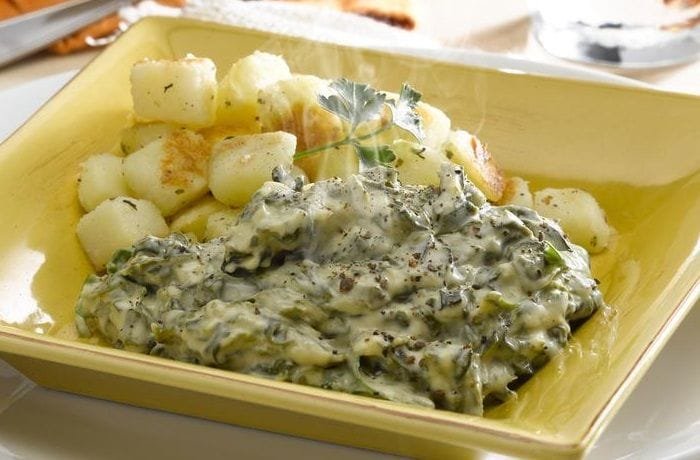
Chilean Swiss chard stew, or guiso de acelgas, is a home-style vegetable dish of blanched chard folded into an onion, garlic, and carrot sofrito, then finished with egg, cream, and grated cheese. It takes 20 minutes of preparation plus 20 minutes of cooking and serves 4 people.
It is one of the most common ways of eating greens in Chilean households, often made with chard straight from the family vegetable patch, and it works as a main course or as a side for fried potatoes, baked potatoes, or plain white rice.
How to Make Homemade Swiss Chard Stew?
This is a flexible recipe that takes any protein you want to add, but its base is always the same: a good sofrito, fresh well washed chard, and a final cooking stage that brings in egg, dairy, and grated cheese.
Nutritional Information
Each serving of Swiss chard stew with cream contains approximately 170 kcal, 10 g of carbohydrates, 12 g of fat, 6 g of protein, 3 g of fiber, 4 g of sugars, 70 mg of cholesterol, and 280 mg of sodium. These values are estimates and may vary depending on ingredients and portion sizes.
Homemade Chilean Swiss Chard Stew Recipe
Preparation: 20 minutes
Cooking: 20 minutes
Servings: 4 people
Ingredients
- 5 cups of Swiss chard
- 200 ml (7 fl oz) of water
- 125 ml (4.2 fl oz) of cream
- 50 g (1.8 oz) of grated cheese
- 1 onion, diced
- 1 garlic clove
- 1 carrot, grated
- 1 egg
- 1 teaspoon of sea salt
- Oregano
- Merken
- Olive oil
- Fine salt
- Black pepper

Instructions
- Strip and wash the chard leaves thoroughly, cut off the thick stalks, and set them aside. In a large pot, add the boiling water and the sea salt, cover, and cook for about 5 minutes over medium heat. Remove the chard, drain off the water, and set aside.
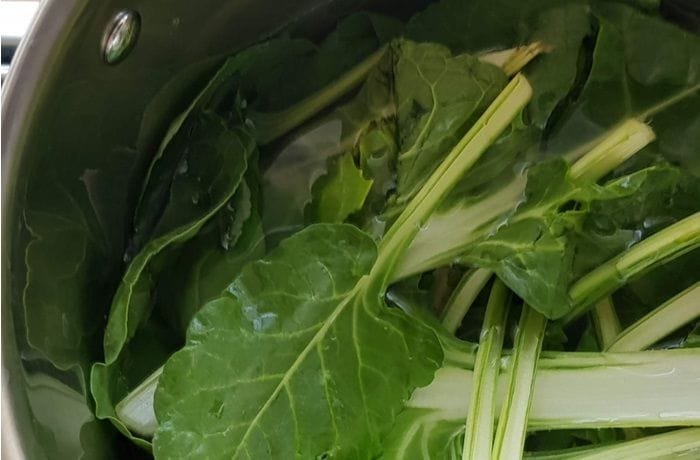
- In a large frying pan, add a splash of olive oil, heat it over high heat, and add the chopped onion. Lower to medium heat and fry, stirring with a wooden spoon for about 5 minutes, until it turns translucent.
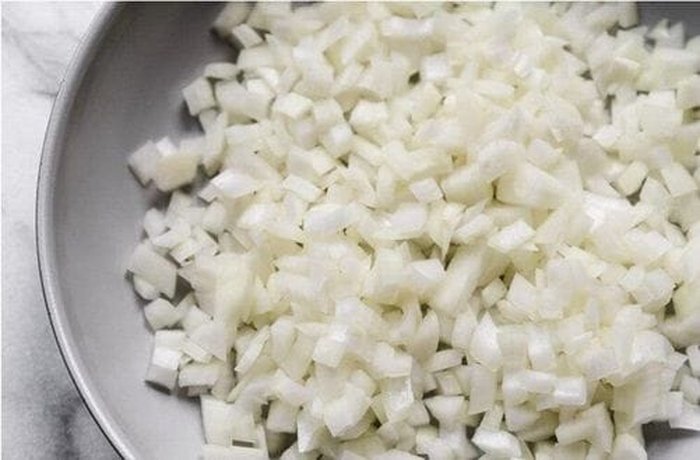
- Add the crushed garlic, a pinch of salt, and the grated carrot. Keep the sofrito over medium heat, stirring until everything is well cooked, seasoning with a little oregano and merken if you like.

- Finally fold in the chard, add the egg and the cream, and combine everything with gentle folding movements. Keep it on the heat for about 5 minutes, add the cheese, stir it through, and cook for another 2 minutes. Adjust the seasoning if needed and serve immediately, on its own or with fried potatoes, baked potatoes, or white rice.
Additional Tips
Respect the five minute blanch
Five minutes in salted boiling water is the right amount of time to soften the fiber without destroying the chlorophyll or losing all the vitamins. Draining well is essential, since excess water dilutes both the cream and the flavor.
Fold the egg in gently
The egg and the cream should be folded in over low heat. The goal is for the egg to bind the stew without setting like scrambled eggs, keeping the thick creamy texture that coats every piece of leaf.
Save the stalks
The thick stalks you trim off are not waste. Diced small and added to the sofrito with the carrot, they give the stew a little crunch and stretch the dish further.
| Original ingredient | Substitute | Ratio | Flavor note |
|---|---|---|---|
| Swiss chard | Spinach | 1:1 | Milder, less rustic |
| Cream | Evaporated milk | 1:1 | Lighter, slightly sweeter |
| Grated cheese | Chilean mantecoso cheese | 1:1 | Creamier, milder |
| Merken | Smoked paprika | 1:1 | Smoky, less spicy |
Frequently Asked Questions (FAQs)
1. Why is the egg added at the end of cooking?
The egg works as a thickener and binder. Added at the end and folded in gently with the residual heat, it emulsifies with the cream and the milk and gives the stew body so the liquid does not separate from the leaves.
2. Can I use spinach instead of Swiss chard?
Yes, but the initial cooking time has to drop to 1 or 2 minutes, since spinach is far more delicate. The flavor will be milder, and you lose the rustic texture and the mineral character that only chard brings to the traditional stew.
3. How do I stop the stew from tasting bitter?
Bitterness usually comes from old chard or from leaves that were not washed properly. The carrot in the sofrito and the dairy both help neutralize the oxalates in the leaf, softening the flavor profile.
4. Do I have to use merken in a classic stew?
Merken adds a smoky note that brings out the countryside flavor, giving the dish a depth that plain black pepper cannot reach on its own.
5. What does the grated cheese do beyond flavor?
As it melts, the grated cheese helps stabilize the mixture and adds an umami note. It also contributes a small amount of fat that makes the stew more filling and gives it a silkier texture.
What Is Guiso de Acelgas?
Guiso de acelgas is a Chilean home-cooked stew built on blanched Swiss chard bound with a sofrito of onion, garlic, and carrot, then enriched with egg, cream, and cheese until it holds together as a thick creamy dish. It is everyday cooking rather than festive food, and it is one of the standard ways of turning a large amount of greens into a filling main course.
Benefits of Eating Swiss Chard
Swiss chard strengthens the bones thanks to its mineral content, especially calcium, which makes it a fortifying food. It also supports weight loss, since it is a staple of low calorie diets, providing a large amount of fiber and very few calories per serving.
Did You Know?
Swiss chard is a Mediterranean vegetable, a subspecies related to beet and beetroot, with the difference that it is grown for its leaves rather than its roots.
How to adapt this recipe to a vegan or vegetarian version?
How to adapt this recipe to a gluten-free version?
How to adapt this recipe to a keto (ketogenic) version?
Recommended
- Traditional Chilean Swiss Chard Omelette
- Chilean Zucchini Loaf Recipe
- Chilean Papas con Luche Recipe
- Chilean Menestron Vegetable and Bean Soup