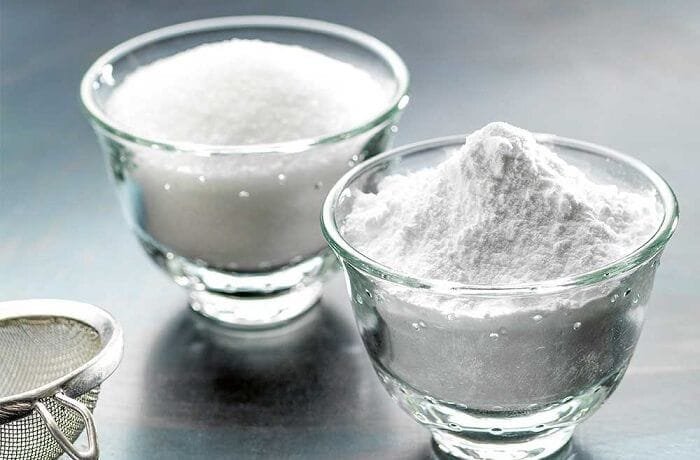
Homemade azucar flor, or powdered sugar, is granulated sugar blitzed into a fine powder with a little cornstarch in a blender or food processor and then sifted. It takes 5 minutes and makes about 500 g, enough for 10 recipes.
Powdered sugar, also called icing sugar or glace, is granulated sugar ground mechanically until the crystals reach about 0.15 mm, and it is used for desserts, meringues, cakes, and all kinds of sweets.
How to Make Powdered Sugar at Home?
Homemade powdered sugar is simply granulated sugar processed into powder, usually with 2 to 3% starch added so it does not absorb moisture and clump during storage. A blender, food processor, or hand blender is all you need.
Nutritional Information
Each serving of powdered sugar contains approximately 200 kcal, 50 g of carbohydrates, 0 g of fat, 0 g of protein, 0 g of fiber, 50 g of sugars, 0 mg of cholesterol, and 0 mg of sodium. These values are estimates and may vary depending on ingredients and portion sizes.
Homemade Azucar Flor Recipe
Preparation: 5 minutes
Servings: 10
Ingredients
- 500 g (2 1/2 cups) of white granulated sugar
- 2 teaspoons of cornstarch
- 1 teaspoon of ground cinnamon (optional)
Instructions
- Put half of the sugar and the cornstarch in a blender, food processor, or hand blender cup and blend at medium speed, checking that it turns into powder.
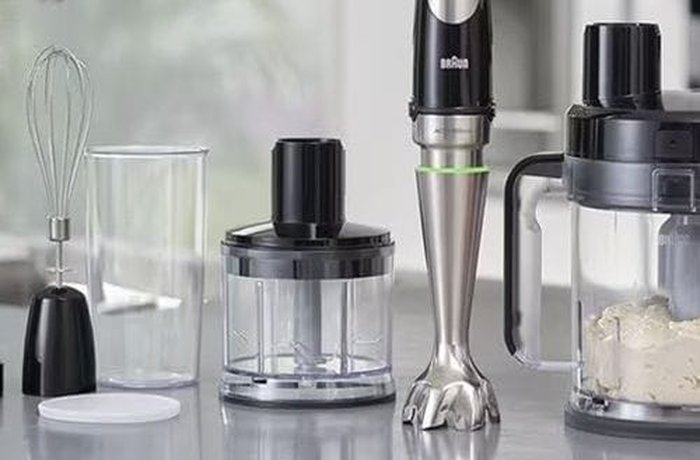
- Add the rest of the sugar little by little so you do not overload the machine, and keep blending until you have a fine, even powder. If you like, add a teaspoon of cinnamon to flavor it.
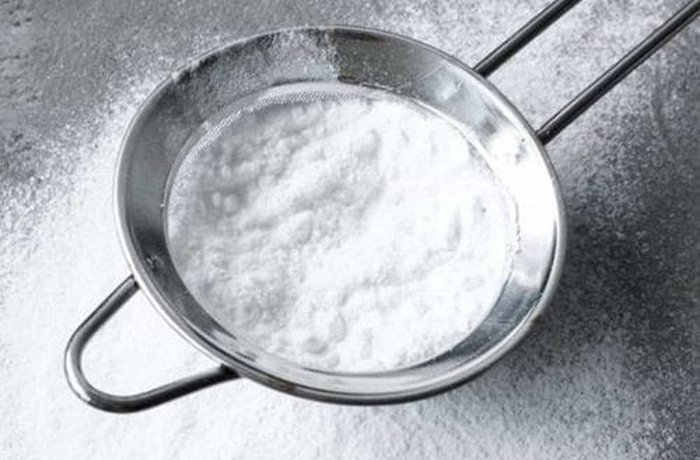
- Sift the powdered sugar through a fine sieve to remove any coarse crystals and get an even result. Store it in a dry glass container.
Additional Tips
Make only what you need
This recipe is handy when you run out of store bought powdered sugar, so it is best to make just the amount you will use and store any extra in a cool, dry place.
Let the dust settle
Wait a minute before opening the blender so the fine sugar dust settles instead of floating around the kitchen.
Keep it dry
Moisture is what makes powdered sugar clump. Always store it in an airtight glass jar.
| Original ingredient | Substitute | Ratio | Flavor note |
|---|---|---|---|
| Cornstarch | Potato starch | 1:1 | Same anti caking effect |
| Cornstarch | Tapioca starch | 1:1 | Same anti caking effect |
| White sugar | Brown sugar | 1:1 | Beige, caramel notes, clumps more |
| Cinnamon | Vanilla powder | 1:1 | Sweeter aroma |
Frequently Asked Questions (FAQs)
1. What does the cornstarch do?
It works as an anti caking agent. Powdered sugar absorbs moisture easily, and the starch keeps the fine crystals from sticking together.
2. Can I use another type of sugar?
White granulated sugar is best for its purity. Brown or whole cane sugar can be powdered, but the result is darker, more caramel flavored, and more likely to clump. Coconut sugar gives a light beige powder.
3. How important is sifting?
Very. Grinding almost always leaves some coarse crystals or lumps, especially with a less powerful machine, and sifting removes them for a smooth finish.
4. How long does powdered sugar keep?
Stored properly in an airtight glass jar away from light, heat, and especially moisture, it keeps for a year or more, practically indefinitely like granulated sugar.
5. Is there an alternative to cornstarch?
Yes. Potato starch, tapioca starch, or a small amount of rice flour also work as anti caking agents.
Why Use Powdered Sugar?
Powdered sugar is finer and softer than granulated sugar, so it dissolves quickly in liquids and doughs and gives desserts a smoother texture and finish. Its fineness also helps it blend evenly into cookies, creams, and meringues without lumps.
Powdered Sugar in Chilean Baking
In Chile, azucar flor is used to dust kuchen, queques, and berlines, to make glazes for cakes, and in creamed butter doughs such as chuno cookies.
Did You Know?
The name glace comes from the French sucre glace, a reference to the snowy look that powdered sugar gives to the desserts it decorates.
How to adapt this recipe to a vegan or vegetarian version?
How to adapt this recipe to a gluten-free version?
How to adapt this recipe to a keto (ketogenic) version?
Recommended
- Chilean Champagne Biscuits Recipe
- Chilean Chuno Cookies Recipe
- Chilean Queque Ingles Recipe
- Chilean Orange Pancake Cake Recipe