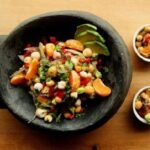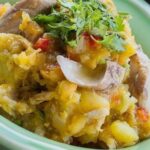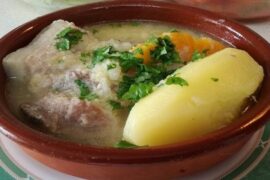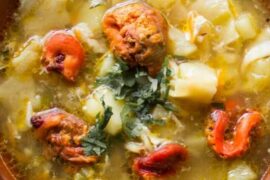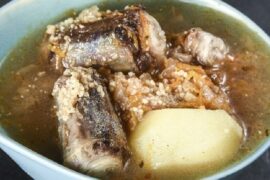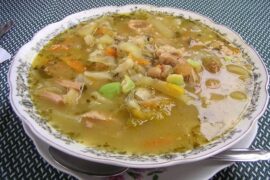
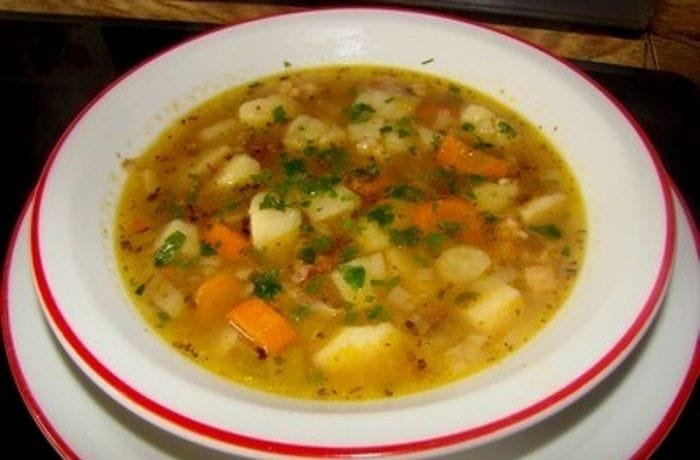
Chilean caldo de papas chilotas is a hearty potato soup made with native Chiloé potatoes simmered with a sofrito of onion, carrot, bell pepper, garlic, and oregano, served with a spoonful of harina tostada and chopped chicharrones. It takes 30 minutes of preparation plus 25 minutes of cooking and serves 6 people.
It is an economical, nourishing dish from southern Chile, usually served in clay bowls to keep it hot, ideal for cold weather.
How to Make Chilean Potato Broth?
Caldo de papas is simple but very nourishing and allows many variations on the base recipe, such as adding beaten eggs or a little ground beef, served with a good chili paste and pan amasado.
Nutritional Information
Each serving of potato broth contains approximately 150 kcal, 25 g of carbohydrates, 5 g of fat, 3 g of protein, 3 g of fiber, 3 g of sugars, 0 mg of cholesterol, and 300 mg of sodium. These values are estimates and may vary depending on ingredients and portion sizes.
Homemade Chilean Caldo de Papas Recipe
Preparation: 30 minutes
Cooking: 25 minutes
Servings: 6 people
Ingredients
- 1 kg (2.2 lb) of Chiloé native potatoes
- 2 liters (8 1/2 cups) of water
- 2 cloves of garlic
- 2 tablespoons of oil
- 1 onion
- 1 red bell pepper
- 1 large carrot
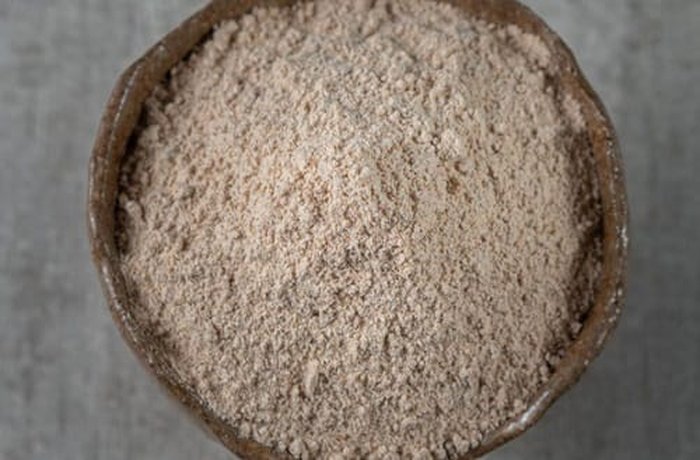
- Harina tostada (toasted flour)
- Chicharrones (pork cracklings)
- Fresh oregano
- Merkén (optional)
- Fine salt
Instructions
- In a medium pot, heat the oil and add the onion sliced into strips, the carrot and bell pepper cut into julienne, the chopped garlic, oregano, and salt to taste. Sauté for about 5 minutes, until the onion is translucent.
- Add boiling water and stir to combine with the sofrito. Add the peeled potatoes cut into cubes, add more water to cover them well, and boil over medium heat for 10 to 15 minutes, depending on the variety, until they are fully cooked.
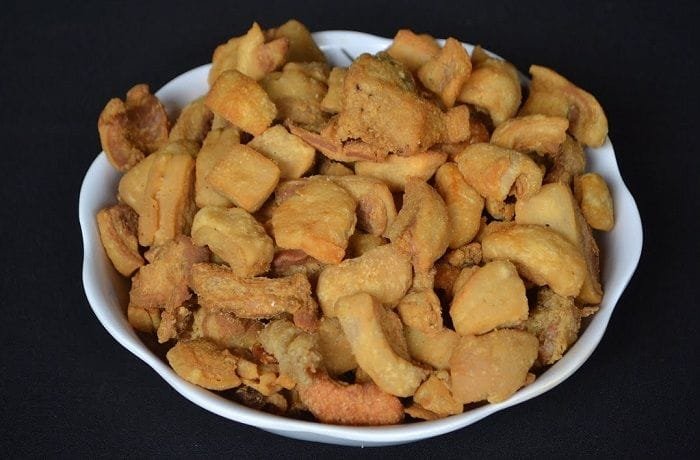
- Serve the broth very hot in a clay bowl, add a spoonful of harina tostada on one side over the soup, and top with chopped chicharrones to taste and a touch of merkén.
Additional Tips
Mix potato varieties
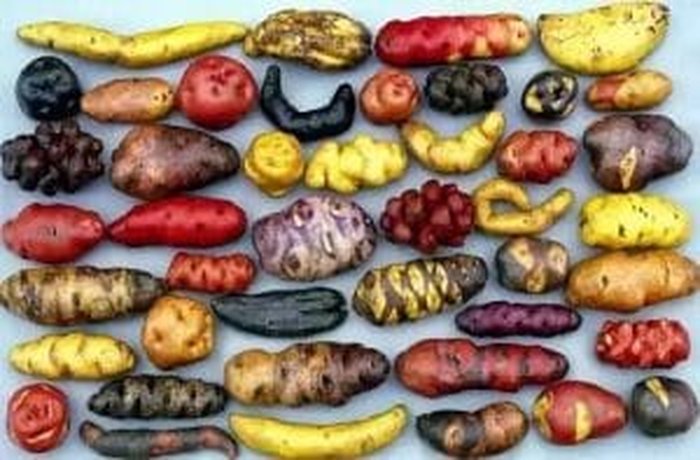
Combine floury Chiloé potatoes, which break down and add creaminess, with firmer ones that hold their shape, for body without extra thickeners.
Add chicharrones at the end
Add them just before serving so they stay a little crunchy.
Serve in clay
Clay bowls keep the broth hot for longer, just as it is served in southern Chile.
| Original ingredient | Substitute | Ratio | Flavor note |
|---|---|---|---|
| Chiloé potatoes | Yukon Gold and Russet mix | 1:1 | Less color, similar body |
| Chicharrones | Crispy bacon bits | To taste | Smokier |
| Harina tostada | Toasted breadcrumbs | 1 tbsp per bowl | Less nutty |
| Fresh oregano | Dried oregano | 1/3 the amount | More concentrated |
Frequently Asked Questions (FAQs)
1. Which Chiloé potatoes are best?
Combine floury potatoes such as bruja or cabrita, which break down and add body, with firmer varieties such as clavela or corona, which keep their shape.
2. When should I add the chicharrones?
Just when serving, so they keep some crunch and do not go soft in the hot broth.
3. Why is it served in clay bowls?
Clay bowls are traditional in Chilean cooking and keep the soup hot for longer, ideal in cold weather.
4. Can I add egg or meat?
Yes. Beaten eggs or a little ground beef are common variations on the base recipe.
What Is Caldo de Papas?
Caldo de papas is a simple Chilean potato soup from the south, thickened naturally by the potatoes and finished at the table with harina tostada and chicharrones.
The Diversity of Chilean Potatoes
The Chiloé archipelago is home to hundreds of native potato varieties, with different colors and textures, which are the heart of many traditional dishes of the island.
Did You Know?
The potato (Solanum tuberosum) is native to South America but is now grown worldwide and used in countless dishes, from soups to mashed potatoes and fries.
How to adapt this recipe to a vegan or vegetarian version?
How to adapt this recipe to a gluten-free version?
How to adapt this recipe to a keto (ketogenic) version?
Recommended
- Chilean Toasted Flour Soup
- Chilean Locro Falso Stew
- Chilean Machos Ahogados Soup
- Chilean Rustic Potato Wedges