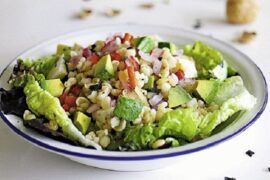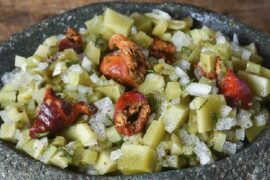
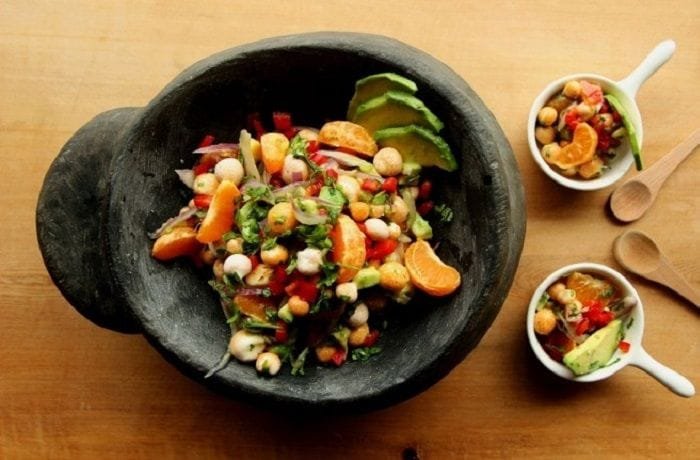
Chilean ceviche de digüeñes is a fresh, no-cook spring salad made with wild digüeñe mushrooms, mandarin segments, avocado, red onion, green chili, bell pepper, ginger, and cilantro, dressed with lemon juice and olive oil. It takes 10 minutes of preparation and serves 4 people.
It is a seasonal recipe from southern Chile, ideal as an appetizer or starter when digüeñes are freshly gathered.
How to Make Chilean Digüeñes Ceviche?
This ceviche is made with freshly gathered digüeñes, combined with mandarins, avocado, green chili, lemon juice, and a little red onion. Everything is cut, mixed gently, and dressed just before serving so the mushrooms keep their crunch.
Nutritional Information
Each serving of digüeñes ceviche contains approximately 150 kcal, 2 g of protein, 8 g of total fat (1 g of saturated fat), 0 mg of cholesterol, 18 g of carbohydrates, 10 g of sugars, and 100 mg of sodium. These values are estimates and may vary depending on ingredients and portion sizes.
Homemade Chilean Ceviche de Digüeñes Recipe
Preparation: 10 minutes
Servings: 4 people
Ingredients
- 2 cups of digüeñes (wild mushrooms)
- 100 ml (3 1/2 fl oz) of lemon juice
- 6 mandarins
- 1 large avocado
- 1 green chili
- 1 tablespoon of cilantro
- 1 tablespoon of fresh ginger
- 1/2 red onion
- 1/2 red bell pepper
- Olive oil
- Fine salt
- Black pepper

Instructions
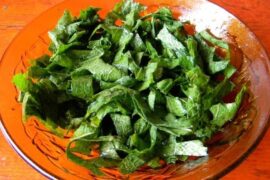
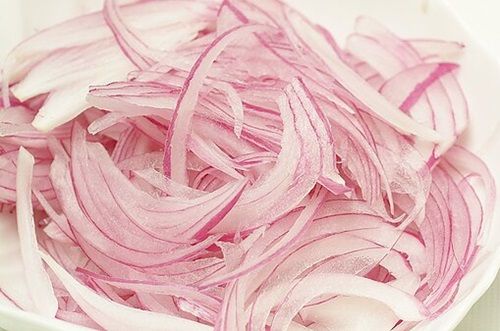
- Wash the digüeñes very well and remove any impurities, then drain them on paper towels and set aside. Peel the red onion and slice it into thin strips, dice the chili and bell pepper small, and cut the avocado into medium pieces or thin slices. Set aside.
- Grate the ginger and chop the cilantro very finely. Peel the mandarins, clean them, and separate the segments. In a large bowl, combine the onion, chili, bell pepper, ginger, cilantro, and mandarins, stirring gently with a wooden spoon.
- In a medium bowl, mix the fresh lemon juice with the olive oil, season with salt and pepper, and add a teaspoon of grated mandarin zest if you like. Add the digüeñes and avocado to the large bowl, pour in the dressing, and toss gently.

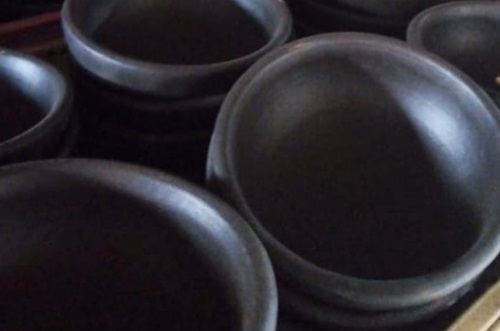
- Let it rest for a couple of minutes. Serve the ceviche right away, well chilled, in a large clay dish or small individual bowls, with slices of toasted sandwich bread if you like.
Additional Tips
Add the avocado last
To keep the avocado bright green, add it just before serving; the lemon in the dressing protects it slightly.
Control the heat
Remove the veins and seeds from the chili for less heat, or replace part of it with a pinch of merkén for a smoky touch.
Serve it fresh
Digüeñes are delicate and soften quickly in acid, so dress the ceviche only when you are ready to eat.
| Original ingredient | Substitute | Ratio | Flavor note |
|---|---|---|---|
| Digüeñes | Button mushrooms, thinly sliced | 1:1 | Firmer, less sweet |
| Mandarins | Orange or pink grapefruit segments | 1:1 | Sweeter or more bitter |
| Green chili | Merkén | A pinch | Smoky heat |
| Lemon juice | Lime juice | 1:1 | More aromatic |
Frequently Asked Questions (FAQs)
1. How do I clean digüeñes properly?
Digüeñes can carry soil or bark. Wash them well in cold water without soaking them for long, and dry them with paper towels or a cloth before using.
2. What can I use instead of mandarin?
Orange juice has a similar sweetness, and pink grapefruit adds a more bitter, sophisticated touch. Balance it with the amount of lemon juice.
3. Why should the ceviche be served right away?
Digüeñes are delicate. If the ceviche sits too long, the acid softens the mushrooms and browns the avocado, so they lose their crunch and fresh color.
4. Is the ceviche cooked?
No. Nothing is cooked; the digüeñes are eaten raw, dressed with lemon juice and olive oil.
What Are Digüeñes?
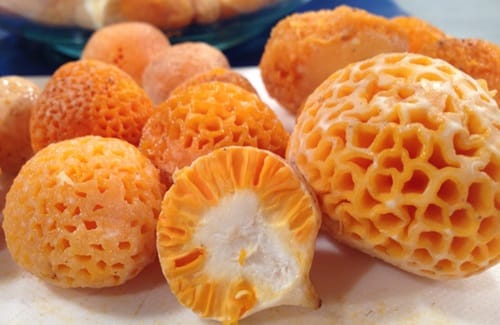
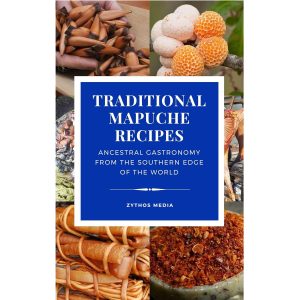
Digüeñes (Cyttaria espinosae), also called lihueñes, quideñes, or pinatras, are small orange-white edible fungi that grow on southern beech trees and are endemic to central-southern Chile.
Flavors of the Araucanía
Digüeñes appear in spring in the forests of the Araucanía and southern Chile, where they are gathered and eaten fresh in salads, ceviches, soups, and empanadas.
Did You Know?
Digüeñes grow as round knobs on the branches of roble (Nothofagus) trees, and they are only available for a few weeks each spring, which makes dishes like this a true seasonal treat.
How to adapt this recipe to a vegan or vegetarian version?
How to adapt this recipe to a gluten-free version?
How to adapt this recipe to a keto (ketogenic) version?
Recommended
- Chilean Nalca and Digüeñes Salad
- Chilean Digüeñes Empanadas
- Chilean Changles Mushroom Salad
- Chilean Acevichada Sauce