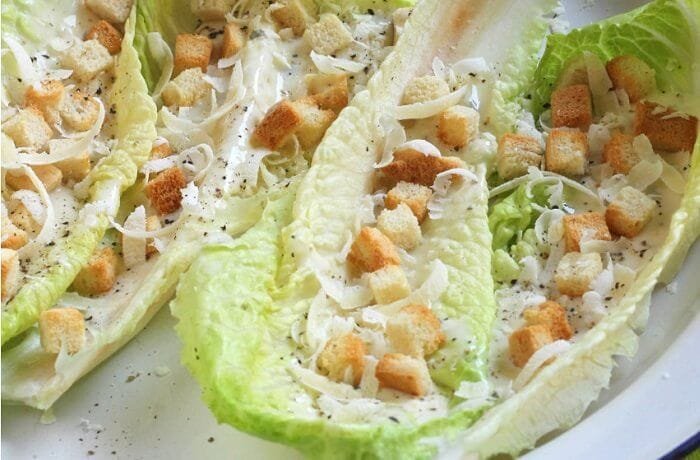
Traditional Caesar salad is romaine leaves dressed with a sauce of crushed garlic, olive oil, Worcestershire sauce, lemon juice, apple cider vinegar, and egg yolk, topped with garlic rubbed croutons baked at 180°C (356°F) for 5 minutes and grated Parmesan. It takes 15 minutes of preparation and 5 minutes of cooking, and serves 2.
The original Mexican recipe, without chicken or anchovies; it is a great side for richer dishes such as roast pork or roast chicken.
How to Make an Original Caesar Salad?
This is the traditional version, as first made in Mexico, with no chicken or anchovies. Dress the salad just before serving so the leaves stay crisp.
Nutritional Information
Each serving of Caesar salad contains approximately 475 kcal, 28 g of carbohydrates, 34 g of fat, 10 g of protein, 3 g of fiber, 4 g of sugars, 35 mg of cholesterol, and 550 mg of sodium. These values are estimates and may vary depending on ingredients and portion sizes.
Traditional Caesar Salad Recipe
Preparation: 15 minutes
Cooking: 5 minutes
Servings: 2
Ingredients
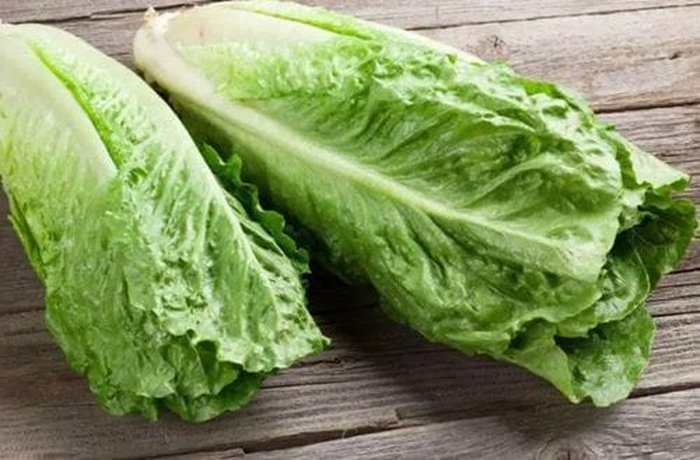
- 8 romaine lettuce leaves
- 60 ml (¼ cup) of olive oil
- 4 slices of sandwich bread
- 1 tablespoon of apple cider vinegar
- 1 tablespoon of Worcestershire sauce
- 1 tablespoon of lemon juice
- 1 garlic clove
- 1 egg yolk
- Parmesan cheese
- Salt and pepper

Instructions
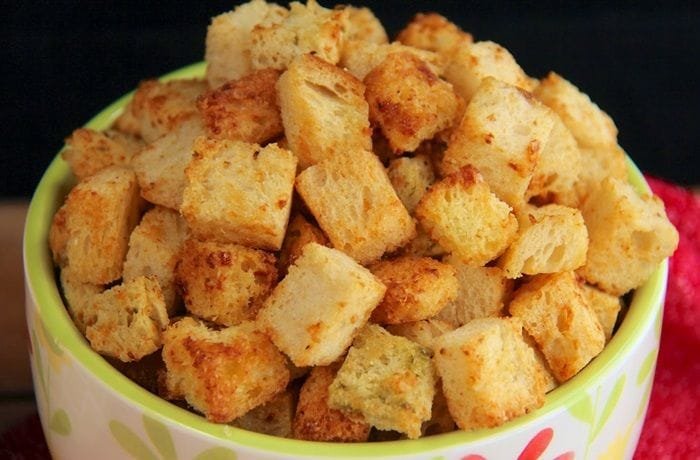
- Preheat the oven to 180°C (356°F) for at least 10 minutes. Rub the garlic clove over the bread slices, cut them into cubes, drizzle with a little olive oil, spread on a tray, and bake for about 5 minutes until golden.
- For the Caesar dressing, crush the garlic and, in a medium bowl, mix it with the olive oil, Worcestershire sauce, lemon juice, apple cider vinegar, and egg yolk until emulsified. Wash the lettuce leaves in cold water and pat dry with paper towels.
- Arrange the leaves on a large platter, season with salt and pepper, and spoon the dressing over the cupped side of the leaves. Top with the croutons and grated Parmesan to taste. Serve right away, chilled, on its own or with other appetizers or main dishes.
Additional Tips
Fresh, dry leaves
Use freshly separated, well washed and dried leaves; wet leaves dilute the dressing.
Dress at the last minute
Dress just before serving so the lettuce does not wilt.
Raw yolk
Raw yolk is generally safe, but for peace of mind use pasteurized eggs or replace the yolk with a tablespoon of mayonnaise.
Modern version
Today’s Caesar often adds anchovies and mustard to the dressing and sliced grilled chicken breast; all optional.
| Original ingredient | Substitute | Ratio | Flavor note |
|---|---|---|---|
| Parmesan | Grana Padano | To taste | Similar, milder |
| Parmesan | Aged mantecoso cheese | To taste | Creamier |
| Worcestershire sauce | Soy sauce or Dijon mustard | 1 tbsp | Different depth |
| Egg yolk | Mayonnaise | 1 tbsp | No raw egg |
Frequently Asked Questions (FAQs)
1. Does the original Caesar salad have chicken?
No. The traditional recipe has no chicken or anchovies: romaine, croutons, Parmesan, and a dressing of garlic, olive oil, Worcestershire sauce, lemon, vinegar, and egg yolk. The modern version adds grilled chicken, anchovies, and mustard, all optional.
2. How do I make the croutons?
Rub a garlic clove over 4 slices of sandwich bread, cut into cubes, drizzle with olive oil, and bake at 180°C for about 5 minutes until golden. Add them at the end so they stay crisp.
3. Which lettuce is used?
Romaine, 8 leaves for 2 people. Its firm, cupped leaves hold the dressing well. Dry them well so the dressing sticks.
4. When do I add the dressing?
Just before serving; dressed ahead, the leaves wilt. Spoon it over the cupped side of the leaves and finish with croutons and Parmesan.
Did You Know?
Caesar salad was created in 1924 at Caesar Cardini’s restaurant in Tijuana, Mexico, as a dish for American visitors crossing the border during Prohibition; some accounts credit chef Remigio Murgia, who worked there.
How to adapt this recipe to a vegan or vegetarian version?
How to adapt this recipe to a gluten-free version?
How to adapt this recipe to a keto (ketogenic) version?
Recommended
- Homemade Worcestershire Sauce Recipe
- Easy Homemade Croutons Recipe
- Traditional Greek Salad Recipe
- Grilled Lemon Chicken Recipe