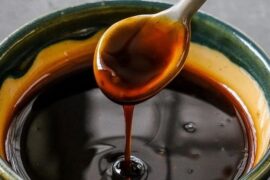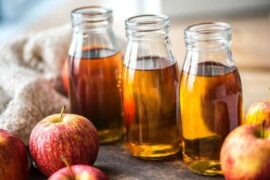
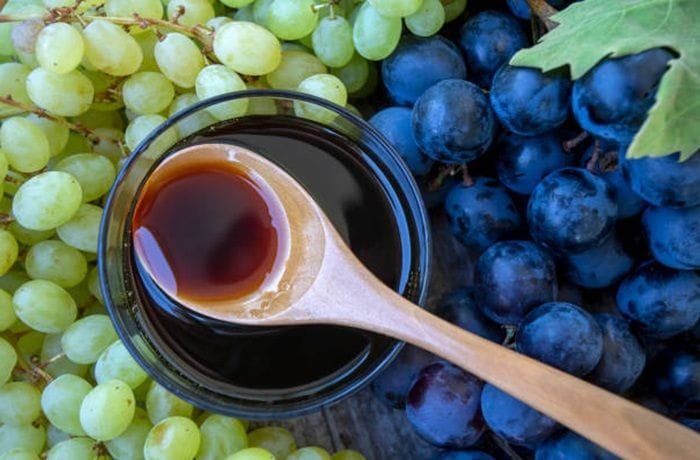
Miel de uva, or grape honey, is a natural syrup made by simmering fresh red or green grapes in a little water, straining the juice, and reducing it over low heat until it has a honey-like consistency, with optional lemon juice and bee honey. It takes 10 minutes of preparation plus 40 minutes of cooking and makes 12 servings.
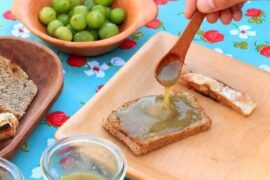
It is a very old preparation, ideal for sweetening desserts and infusions or spreading on toast.
How to Make Grape Honey?
You only need fresh grapes, water, and optionally a little lemon. The grapes are cooked until they burst, the juice is strained from the pulp, and it is reduced slowly until thick, giving a flavorful natural sweetener.
Nutritional Information
Each 20 ml serving of grape honey contains approximately 35 kcal, 0 g of protein, 0 g of fat, 0 mg of cholesterol, 9 g of carbohydrates, 8 g of sugars, and 3 mg of sodium. These values are estimates and may vary depending on ingredients and portion sizes.
Homemade Miel de Uva Recipe
Preparation: 10 minutes
Cooking: 40 minutes
Servings: 12
Ingredients
- 500 g (1.1 lb) of red or green grapes
- 100 ml (3 1/2 fl oz) of mineral water
- 1 teaspoon of bee honey (optional)
- 1/2 lemon (optional)
Instructions
- Wash the grapes well in cold water and drain completely. Place them in a pot and cover with the water. Cook over medium-low heat and simmer gently for about 15 minutes, stirring now and then to break the grapes.
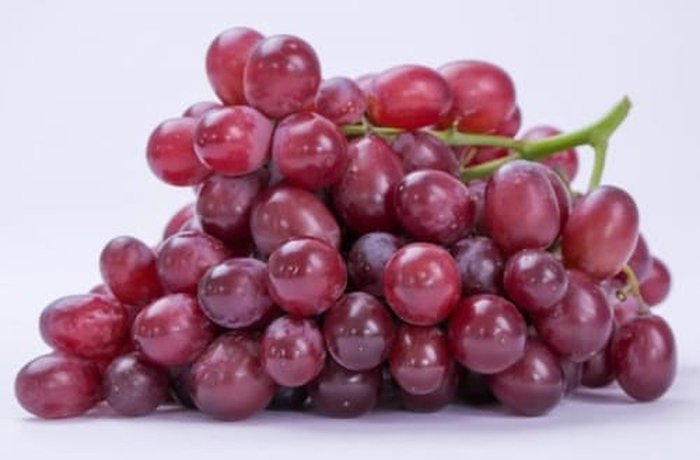
- Strain the mixture through a fine sieve or cheesecloth to separate the pulp from the juice, squeezing well to extract all of it. Return the juice to the pot and cook over low heat for about 25 minutes more, stirring constantly, until it thickens to a honey-like texture.
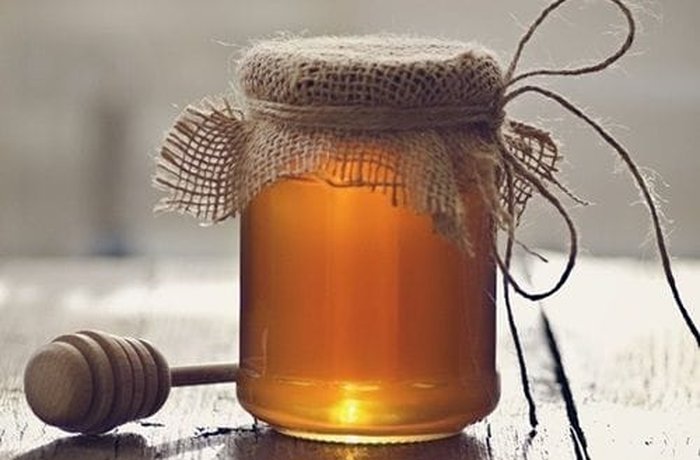
- Stir in the lemon juice and bee honey at the end of cooking if you like. Let it cool completely before moving it to an airtight container. Keep it refrigerated for up to 2 weeks.
Additional Tips
Test on a cold plate
Put a teaspoon of the hot syrup on a cold plate. If it cools thick and dense, like honey, it is ready.
Choose sweet grapes
Red Muscat or other very sweet grapes give a more concentrated flavor and a darker, more attractive color.
Keep the heat low
Gentle reduction prevents the syrup from scorching and keeps a cleaner grape flavor.
| Original ingredient | Substitute | Ratio | Flavor note |
|---|---|---|---|
| Red grapes | Green grapes | 1:1 | Lighter color, milder flavor |
| Fresh grapes | Unsweetened grape juice | 400 ml per 500 g | Faster, skip the straining |
| Bee honey | Omit | Pure grape flavor | |
| Lemon | Omit | Slightly sweeter |
Frequently Asked Questions (FAQs)
1. Can grape honey be kept outside the refrigerator?
Only if the jar was properly sterilized and sealed hot. Even so, it is best kept refrigerated and eaten within 10 to 14 days.
2. What is the difference between miel de uva and arrope de uva?
Both are made by reducing grape juice, but traditional arrope uses plant ash to clarify and thicken, while miel de uva is made without additives and is a lighter syrup.
3. Can I leave out the honey and lemon?
Yes. Both are optional: honey boosts the sweetness and lemon balances the acidity and helps it keep. Grape juice alone can be reduced to the right consistency.
4. Does grape honey keep its antioxidants?
Part of the polyphenols and anthocyanins is lost with long cooking, but a good share remains, especially if it is cooked over low heat without hard boiling.
What Is Miel de Uva?
Miel de uva is a thick grape syrup made only from reduced grape juice, used as a natural sweetener for desserts, infusions, and toast.
History and Origin
Grape honey has its roots in southern Europe, especially Italy and Greece, where it was known as saba or mosto cotto. It was made by slowly reducing grape juice and used both in cooking and in folk remedies.
Did You Know?
Cooked grape must syrups like saba were widely used sweeteners in ancient Roman kitchens, long before cane sugar became widely available in Europe.
How to adapt this recipe to a vegan or vegetarian version?
How to adapt this recipe to a gluten-free version?
How to adapt this recipe to a keto (ketogenic) version?
Recommended
- Chilean Arrope de Uva Grape Syrup
- Chilean Plum Jam Recipe
- Chilean Manjar Recipe
- Chilean Canelita Cinnamon Mistela