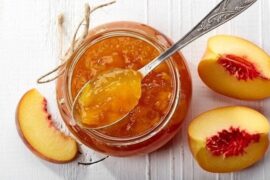
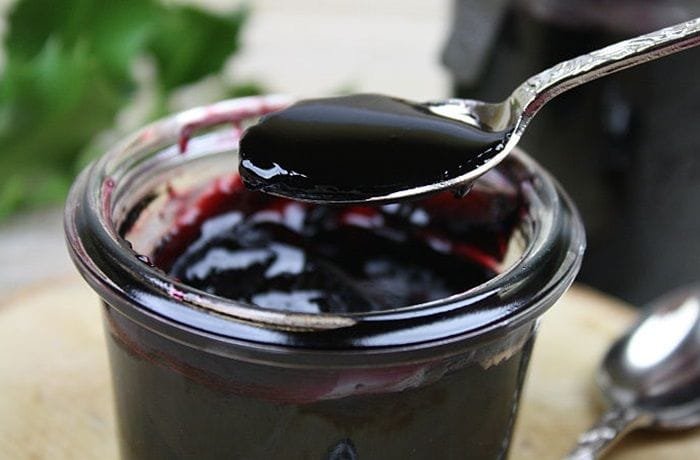
Arrope de uva is an artisanal syrup from the Elqui Valley in northern Chile, made by pressing the juice from fresh grapes and reducing it slowly in a large open pan, using vine shoot or fig wood ash as a natural clarifier. It takes 30 minutes of preparation plus 60 minutes of cooking and makes enough for 6 servings.
It stands out for its intense concentrated sweetness and its toasted notes, and it is the heritage topping for traditional Chilean desserts such as semolina pudding with milk or macho ruso.
How to Make Chilean Arrope de Uva?
To make traditional grape arrope you need fresh grapes, a cloth sack, a large open pan, and vine shoot or fig wood ash, in a process that involves washing and drying the grapes, pressing out their juice, and cooking it with ash to thicken it.
Nutritional Information
Each serving of grape arrope contains approximately 85 kcal, 0.2 g of protein, 0 g of total fat (0 g of saturated fat), 0 mg of cholesterol, 22 g of carbohydrates, 20 g of sugars, and 5 mg of sodium. These values are estimates and may vary depending on ingredients and portion sizes.
Homemade Chilean Arrope de Uva Recipe
Preparation: 30 minutes
Cooking: 60 minutes
Servings: 6 people
Ingredients
- 5 kg (11 lb) of fresh grapes
- 1 cup of vine shoot ash
- Drinking water

Instructions
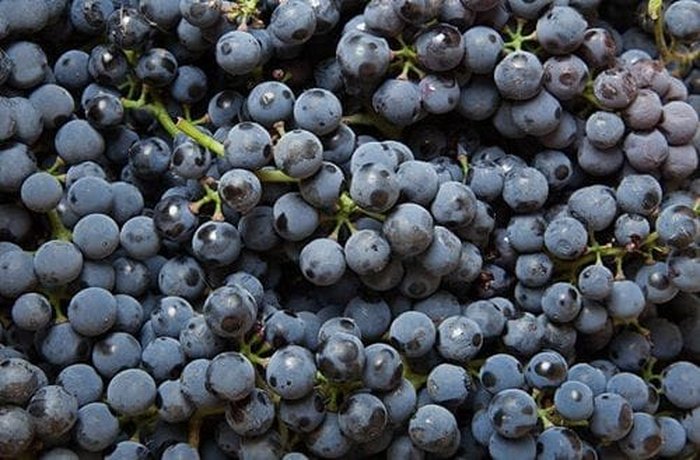
- Wash the grapes thoroughly in fresh water and let them drain until dry. Place the grapes in a clean cloth, press them to extract the juice, and set it aside in a bowl. Keep the skins in a separate dish, cover them with water, and rinse them by stirring. Strain the resulting liquid and add it to the first juice. Discard the skins.
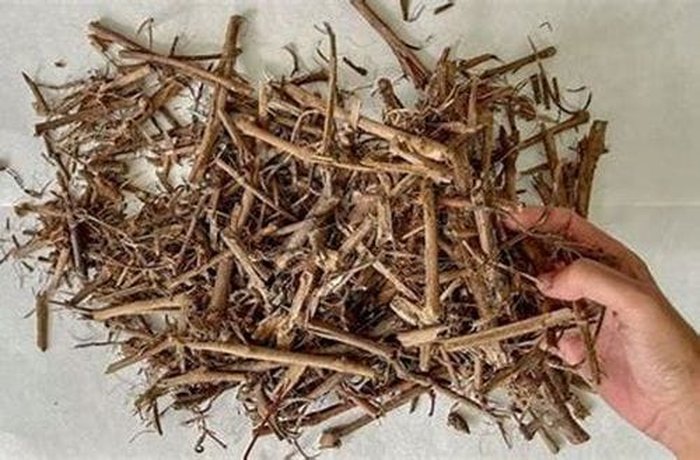
- Burn vine shoots or fig wood to obtain ash and sift it to remove impurities. Pour the grape juice into a large open pan and set it over low heat. When it starts to boil, add the ash little by little, stirring constantly. The ash helps the impurities clump together and rise to the surface as foam.
- Skim off the foam and any residue forming on the surface. Strain the liquid to get a clean juice. Keep cooking over low heat until the juice reduces to a third of its original volume and takes on a thick, syrupy texture. Take it off the heat, let it cool, and transfer it to sterilized glass jars. Store in a cool, dry place.
Additional Tips
Test it on a frozen plate
To know whether the arrope is ready, put a spoonful on a plate that has been in the freezer. If it sits and does not run off easily, it is done. It should coat the back of a spoon with a syrupy consistency.
Choose the right ash
If you cannot get vine shoots or fig wood, you can try ash from a hard, non-resinous wood such as oak or espino, making sure it is completely clean and free of chemical residue.
Keep the heat low throughout
The reduction is where the toasted notes come from, but a rolling boil scorches the sugars against the pan and turns the flavor bitter instead of caramelized.
| Original ingredient | Substitute | Ratio | Flavor note |
|---|---|---|---|
| Pais or Moscatel grapes | Any sweet black grape | 1:1 | Less intense, still sweet |
| Vine shoot ash | Oak or espino wood ash | 1:1 | Same clarifying effect |
| Cloth sack pressing | Manual juicer or food mill | 1:1 | Faster, slightly cloudier juice |
| Open pan reduction | Wide heavy bottomed pot | 1:1 | Slower, same result |
Frequently Asked Questions (FAQs)
1. What does the ash do?
The ash never becomes part of the arrope, since its only job is to clarify the juice. After skimming the foam and straining the liquid, the ash and the impurities are discarded, leaving a clean, clear arrope with a smooth texture.
2. Which grape variety is usual for arrope?
Black or purple grapes such as Pais, Moscatel, or Negra Criolla are the most used, because of their high sugar content and intense flavor.
3. How long does it keep once bottled?
Homemade grape arrope keeps for up to a year in sterilized, properly sealed glass jars stored in a cool dark place. Once opened it must be refrigerated and eaten within 1 to 2 months.
4. Can arrope be used in savory dishes?
Although it is mostly used in desserts, arrope works as a glaze for meats such as pork or duck, or as part of a sweet and sour vinaigrette for salads.
5. What makes arrope different from grape honey?
Arrope uses ash to clarify and thicken, while grape honey, which is uncommon in Chile, is reduced without ash, giving a rawer flavor and a cloudier result.
What Is Arrope de Uva?
Arrope de uva is a grape must reduced to roughly a third of its volume until it turns into a dark, thick syrup. No sugar is added, since all the sweetness comes from the fruit itself. In the Elqui Valley it is poured over desserts, and the ash clarification step is what separates the traditional method from a plain reduction.
Benefits and Properties of Arrope
Grape arrope is rich in natural antioxidants thanks to the properties of the grape. It is also a source of quick energy because of its high content of natural sugars. Given how concentrated it is, moderate consumption is recommended.

Did You Know?
Using ash to make grape arrope is an ancestral technique that helps clarify the juice and give it its characteristic texture, ideal for eating as a sweet or for making traditional Chilean desserts.
How to adapt this recipe to a vegan or vegetarian version?
How to adapt this recipe to a gluten-free version?
How to adapt this recipe to a keto (ketogenic) version?
Recommended
- Chilean Melon Honey Recipe
- Chilean Macho Ruso Milk Pudding Recipe
- Chilean Murta Berry Jam Recipe
- Chilean Chicha de Uva de Curacavi Recipe