Versión en Español: Receta de macho ruso casero
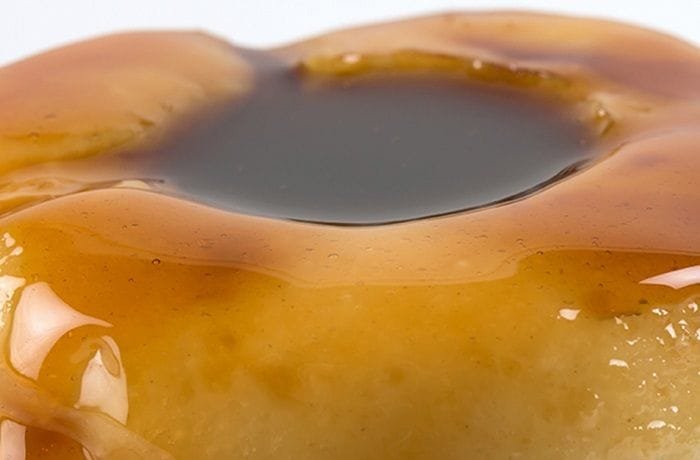
Macho ruso is a dense milk pudding from Ovalle, in the Coquimbo region of northern Chile. It is made by infusing 2 liters of whole milk with cinnamon and orange peel, then thickening it with wheat flour and cornstarch dissolved in cold milk and cooked until very thick, poured over a caramel base, and refrigerated until fully set. Total time is about 60 minutes plus chilling.
The texture sits between a flan and a blancmange — silky and dense, rather than airy. The dessert is a direct descendant of colonial-era mazamorras introduced by Spanish settlers, and the name Macho Ruso remains unexplained in the historical record. Serves 6 people.
Nutritional Information
Each serving contains approximately 330 kcal, 8 g of protein, 7 g of total fat (3 g saturated), 61 g of carbohydrates, 53 g of sugars, and 150 mg of sodium. Values are estimates and vary with exact portions and the amount of caramel served alongside.
How to Make Chilean Macho Ruso?
The critical technique is dissolving the flour and cornstarch in cold milk before adding them to the hot pot. Adding dry starches to hot liquid causes them to gelatinize instantly on contact, forming lumps that cannot be broken up. The cold slurry disperses evenly and gives you a smooth, lump-free pudding.
Prep Time: 30 minutes
Cook Time: 30 minutes plus chilling
Servings: 6 people
Ingredients
- 400 g sugar (divided: 200 g for caramel, 200 g for pudding)
- 100 g wheat flour
- 35 g cornstarch
- 2 liters whole milk (divided)
- 1 cinnamon stick
- 1 tsp vanilla extract
- Peel of 1 orange (outer orange layer only, no white pith)
Instructions
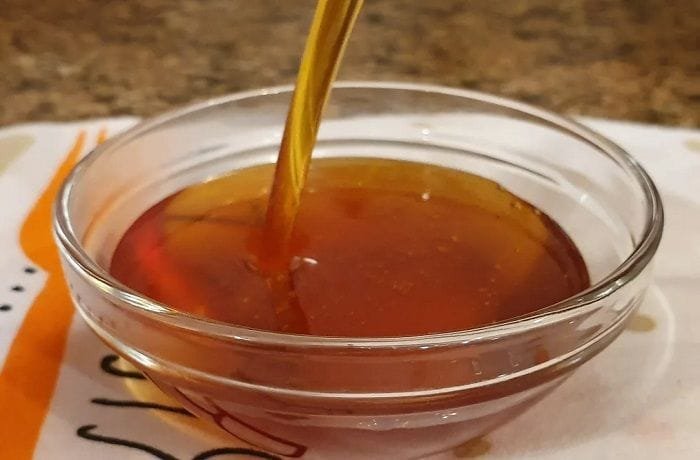
- Make the caramel base: place 200 g of sugar in a small heavy-bottomed pot over low heat. Do not stir — swirl the pot gently to distribute the heat. Cook until the sugar melts completely and turns a deep amber color. Pour immediately into a glass baking dish (approximately 20×30 cm), tilting to coat the base evenly. Work fast — caramel hardens within seconds. Set aside to cool and harden.
- In a large pot, combine the remaining 1.8 liters of whole milk with the remaining 200 g of sugar, the cinnamon stick, vanilla, and orange peel. Heat over medium heat until you see small bubbles appearing at the edges. Remove 300 ml of milk from the pot and cool it quickly over an ice bath — you will use this cold milk to dissolve the starches.
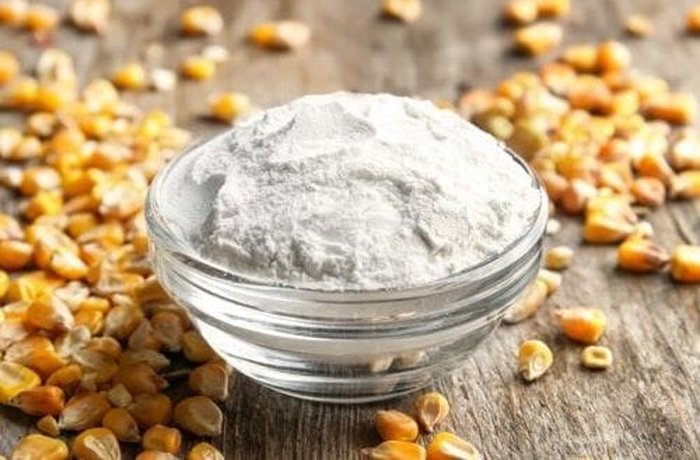
- In a blender, combine the cold milk, wheat flour, and cornstarch. Blend for 30 seconds until completely smooth with no lumps. With the large pot of hot milk at a low simmer, pour the starch slurry in a slow, steady stream while whisking constantly. Increase the heat to medium, continue stirring, and cook until the mixture is very thick — it should fall from the spoon in a thick ribbon that holds its shape for a moment before flattening. This typically takes 8 to 12 minutes.

- Remove the cinnamon stick and orange peel. Pour the thick pudding over the hardened caramel in the glass dish. Smooth the surface flat with a spatula. Refrigerate for at least 3 hours, or overnight, until fully set and cold. To serve, run a knife around the edges, place a large serving plate face-down on the dish, and invert in one confident motion. The caramel will flow over the pudding.
Expert Tips
How to Avoid Lumps When Adding Flour and Cornstarch?
Never add the flour and cornstarch directly to hot milk. Starches gelatinize instantly on contact with heat and form solid lumps that no amount of stirring will break down. Dissolve both in 150 ml of cold milk until completely smooth, then pour in a thin, steady stream into the hot milk while whisking continuously. If a few small lumps appear, keep stirring — constant movement prevents them from setting.
How to Know When the Pudding Is Ready?
The mazamorra is ready when it falls from the back of a wooden spoon in a thick, unbroken ribbon that holds its shape briefly before flattening, and when a line drawn across the back of a spoon with your finger stays clean. If you pour too early, the pudding will be liquid when cold. If you overcook past the set point, the cornstarch loses its thickening power and the mixture loosens again — remove from the heat the moment you reach the ribbon consistency.
How to Infuse the Milk with Maximum Flavor?
Heat the milk over medium heat until the first small bubbles appear at the edges — do not let it boil. Add the cinnamon stick and orange peel, remove from heat, cover the pot, and let stand for 10 minutes. Infusing off the heat extracts the essential oils from the cinnamon and citrus aromatics far better than boiling, which drives the volatile compounds off as steam and produces a flat flavor.
Ingredient Notes and Substitutions
| Ingredient | Notes / Substitution |
|---|---|
| Whole milk (2 liters) | Do not substitute with reduced-fat milk — the fat is essential for the dense, silky texture; evaporated milk added at ratio 1:3 with whole milk increases creaminess |
| Wheat flour (100 g) | Can substitute with fine semolina (sémola) for a slightly grainier texture, which is traditional in some Ovalle families |
| Cornstarch (35 g) | Can use potato starch at the same ratio; tapioca starch gives a slightly chewier texture |
| Caramel base | Replace with a sweet red wine sauce or quince jam for a traditional rural Chilean variant called mazamorra |
Frequently Asked Questions (FAQs)
Why does my macho ruso turn out too liquid and not set?
The most common cause is undercooking the starches. The mixture must reach a full boil and then simmer for at least 3 minutes after adding the flour and cornstarch, stirring constantly, until the consistency is very thick — it should fall from the spoon in a thick, continuous ribbon that holds its shape.
What can I use instead of caramel?
Traditional alternatives include a sweet red wine sauce or quince or blackberry jam. These give the dessert a distinctly rural Chilean character that predates the caramel version.
How do I prevent lumps when adding the starches?
Dissolve the flour and cornstarch completely in 150 ml of cold milk before adding them to the hot pot. Never add dry starches directly to hot liquid. Pour the cold starch slurry in a thin, steady stream while whisking constantly.
What other flavors can I infuse into the milk?
Beyond cinnamon and orange peel, you can infuse the milk with lemon peel, star anise, or a splash of pisco or rum for an adult version. Infuse off the heat for 10 minutes after the milk comes to a simmer — boiling drives off the aromatic compounds.
What is the origin of the name Macho Ruso?
The origin of the name is uncertain. The preparation is a descendant of colonial-era mazamorras brought from Spain, that evolved in the Coquimbo region. The name Macho Ruso is local to the Ovalle area and its etymology has not been documented conclusively.
Chilean Mazamorra-Style Desserts
| Dessert | Region | Liquid Base | Thickener | Served With |
|---|---|---|---|---|
| Macho ruso | Coquimbo | Whole milk | Flour + cornstarch | Caramel or honey |
| Ulpo | Southern Chile | Cold water or milk | Toasted flour | Sugar or salt |
| Cocho | Central Chile | Water | Toasted wheat flour | Sugar |
| Mazamorra de maíz | Norte chico | Water | Ground maize | Palm honey |
What Is Macho Ruso?
Macho ruso is a dense, cold milk pudding originating in Ovalle, in the Coquimbo region of northern Chile. It belongs to the family of colonial mazamorras — milk-thickened sweets introduced by Spanish settlers — that evolved in isolation in the northern Chilean countryside. The dessert is made year-round but is particularly associated with local festivals and family gatherings in the Norte Chico. The name Macho Ruso appears to be unique to this preparation and this region; its etymology is undocumented.
Did You Know?
The mazamorra tradition in Chile dates back to the colonial period. The first documented references to milk-based mazamorras in the region appear in accounts of convent kitchens in 17th-century Coquimbo, where nuns adapted Spanish almond-based blancmange recipes to locally available ingredients — replacing almonds with wheat flour and the caramel coating with palm honey from the Chilean palm (Jubaea chilensis), native to the region.