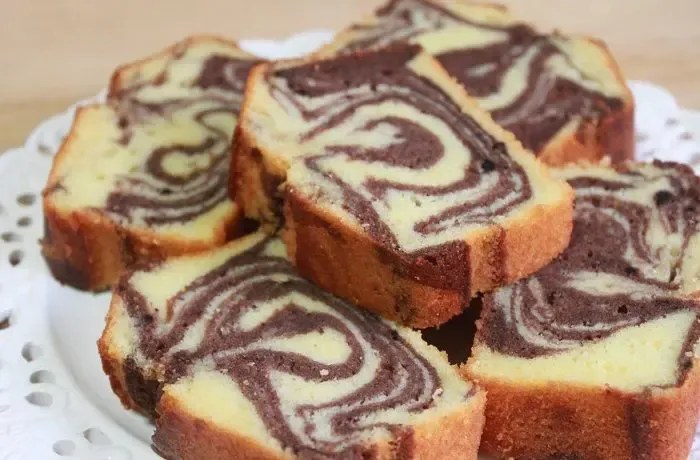
Chilean marble cake — known locally as queque marmoleado or queque mármol — is a soft, buttery vanilla and chocolate swirl cake baked in a bundt mold and one of the most beloved afternoon tea sweets in Chilean home kitchens. The classic recipe uses pisco or rum to deepen the aroma, and the visual contrast between the light and dark batters makes it as elegant as it is simple to prepare.
This recipe yields a generously sized cake that serves six and keeps well for three to four days at room temperature. Below you will find the step-by-step method, a Thermomix adaptation, storage tips, and answers to the most frequently asked questions about this Chilean classic.
How to Make Chilean Marble Cake?
The technique behind queque marmoleado is straightforward: prepare a single enriched batter, divide it in half, stir cocoa powder into one portion, and then alternate the two batters in the pan before baking. The marble pattern forms naturally as the two batters slightly blend during baking. The key variables are room-temperature butter for proper creaming, accurate oven temperature (180°C), and resisting the urge to open the oven door before the 40-minute mark.
Nutritional Information
Each serving of Chilean marble cake provides approximately 350 kcal, with 45g of carbohydrates, 18g of fat (mostly from butter), 6g of protein, and 20g of sugar. The cholesterol content is around 80mg per slice and sodium approximately 150mg. The cocoa portion adds a small amount of flavanols, but this cake belongs firmly in the treat category — best served as part of once (afternoon tea) rather than as an everyday food.
Homemade Chilean Marble Cake Recipe
Prep time: 30 minutes | Bake time: 60 minutes | Servings: 6
Ingredients
- 300g all-purpose flour
- 250g unsalted butter, at room temperature
- 250g icing sugar (azúcar flor)
- 50ml whole milk
- 25ml pisco or rum
- 5 eggs
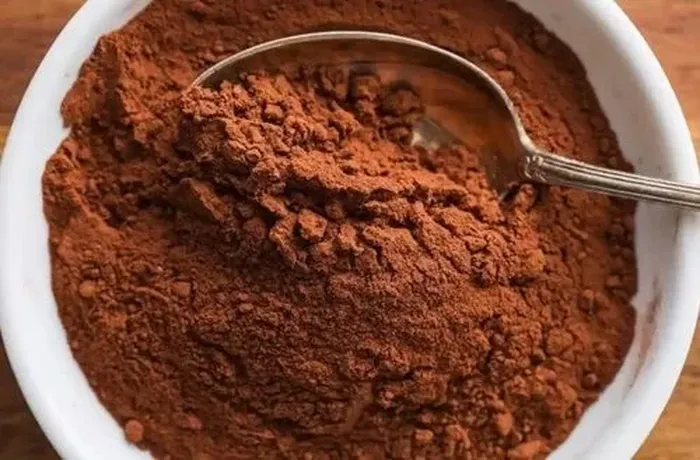
- 3 tablespoons unsweetened cocoa powder
- 1 teaspoon vanilla extract
- ¼ teaspoon salt
- 2 teaspoons baking powder
- Zest of 1 lemon

Instructions
- Preheat your oven to 180°C (356°F). Grease and flour a 22-24 cm budín or savarin mold. In a bowl, combine the flour, baking powder, and salt; set aside.
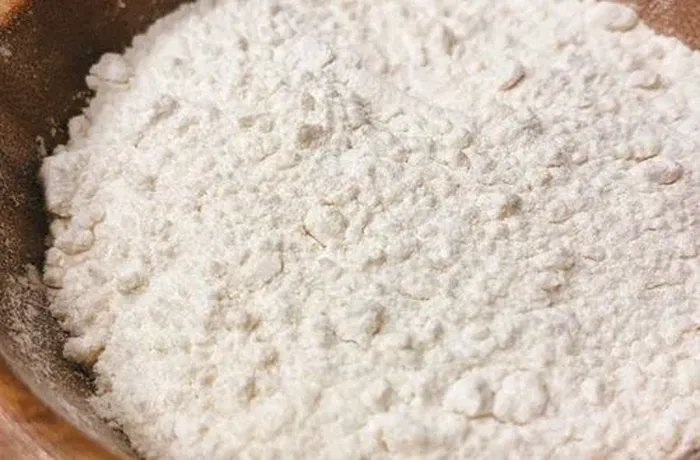
- In a large bowl, beat the butter and icing sugar until pale and fluffy, about 4 minutes. Add the eggs one at a time, beating well after each addition. Gradually fold in the flour mixture, then stir in the milk, pisco, vanilla extract, and lemon zest until a smooth, homogeneous batter forms.
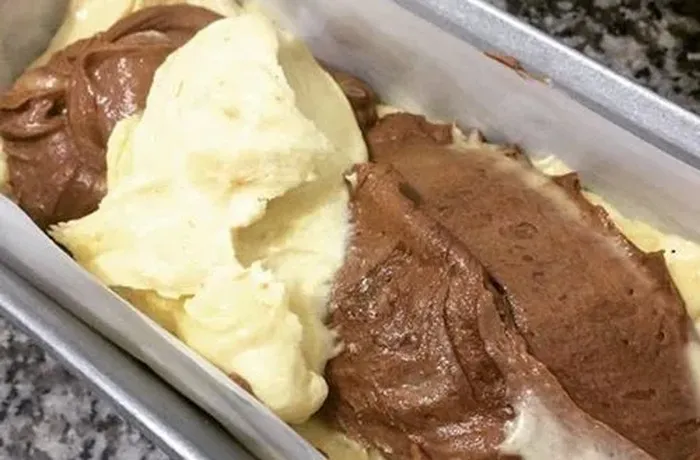
- Divide the batter into two equal portions. Add the cocoa powder to one half and mix until fully incorporated. Pour alternating spoonfuls of vanilla and chocolate batter into the prepared mold to create the marble pattern.
- Bake for 50-60 minutes, or until a toothpick inserted in the center comes out clean. Allow the cake to cool in the pan on a wire rack for 15 minutes before unmolding. Let it cool completely before slicing.
Thermomix Method
For Thermomix users, fit the butterfly whisk and add the butter, sugar, and eggs through the feed chute at speed 3. Then add the milk, pisco, vanilla, and lemon zest. In a second step, incorporate the sifted dry ingredients at speed 4 until the batter is smooth. Divide in half, stir the cocoa powder into one portion by hand, and alternate both batters in the prepared mold before baking as directed above.
Additional Tips
How to Get the Perfect Marble Effect
Use a spoon or ladle to alternate the batters in the mold in three or four layers of each color. You can run a skewer through the batter in a figure-eight motion to intensify the swirl, but avoid over-mixing — the visual contrast depends on keeping the two batters largely separate until the oven does its work.
Storage and Shelf Life
Wrapped tightly in plastic wrap or stored in an airtight container, queque marmoleado keeps at room temperature for three to four days. It also freezes well for up to two months — slice before freezing so you can defrost individual portions without thawing the whole cake.
Best Pan for This Recipe
A traditional 22-24 cm budín mold (tube pan or savarin mold) is strongly recommended. The central tube conducts heat to the dense interior of the batter, preventing an undercooked center. Avoid deep round cake pans for this recipe, as they rarely bake evenly at the center with this volume of batter.
| Ingredient | Substitution | Notes |
|---|---|---|
| Butter (250g) | 200ml neutral vegetable oil | More moist, less rich in flavor |
| Pisco / rum (25ml) | Almond or orange extract (1 tsp) | Non-alcoholic; subtler aroma |
| Icing sugar (250g) | Regular granulated sugar | Texture slightly coarser |
| Lemon zest | Orange zest | Slightly sweeter citrus note |
Frequently Asked Questions (FAQs)
1. Can I make Chilean marble cake without alcohol?
Yes. You can omit the pisco or rum entirely, or substitute with almond extract, orange extract, or an extra teaspoon of vanilla for similar aromatic depth.
2. Why does the center of my marble cake sink?
The most common causes are overbeating the batter after adding the flour, using an incorrect oven temperature, or opening the oven door during the first 40 minutes of baking. Use an oven thermometer to verify your oven runs true to the set temperature.
3. What is the best pan for Chilean marble cake?
A 22-24 cm budín or savarin mold works best. The center tube allows heat to reach the middle of the dense batter, ensuring even baking and a clean unmold.
4. Can I replace butter with oil in this recipe?
Yes. Substitute the 250g of butter with 200ml of neutral vegetable oil. The cake will be slightly more moist but less rich in flavor. Reduce mixing time slightly since oil incorporates faster than creamed butter.
What Is Chilean Marble Cake?
Queque marmoleado (also called queque mármol in Chile) is a bundt cake made from a single enriched batter divided into vanilla and chocolate portions, which are layered in a mold to create a swirling marble pattern when sliced. Known elsewhere as bizcocho de mármol, torta marmoleada, or panqué marmoleado, the Chilean version is distinguished by the addition of pisco or rum and a generous amount of lemon zest. It is a fixture of once — the Chilean afternoon tea served between 5 and 8 PM — and one of the most requested home-baked cakes for family gatherings and celebrations.
History of Marble Cake in Chile
Marble cake originated in 19th-century Germany, where bakers began swirling together plain and molasses-flavored batters to use up leftover doughs. German immigrants brought the technique to Latin America, where it was adapted to local ingredients — most notably the substitution of molasses with cocoa powder and the addition of pisco or rum. In Chile, the recipe became embedded in home baking culture through the twentieth century, appearing in handwritten family recipe books and later in printed collections as one of the essential once cakes alongside queque de vainilla and queque de naranja.
Did You Know?
Queque marmoleado is known under several names across Latin America: bizcocho de mármol in Argentina and Uruguay, torta marmoleada in Peru, and panqué marmoleado in Mexico. Despite the different names, the technique is identical in every country — a single batter divided and reunited to create the characteristic visual effect that gives the cake its name.
How to adapt this recipe to a vegan or vegetarian version?
How to adapt this recipe to a gluten-free version?
How to adapt this recipe to a keto (ketogenic) version?
Recommended
Chilean Princes Cookies (Príncipes) | Chilean Blackberry Flan | Pompadour Cake Recipe | Suspiros de Monja (Nuns’ Sighs)