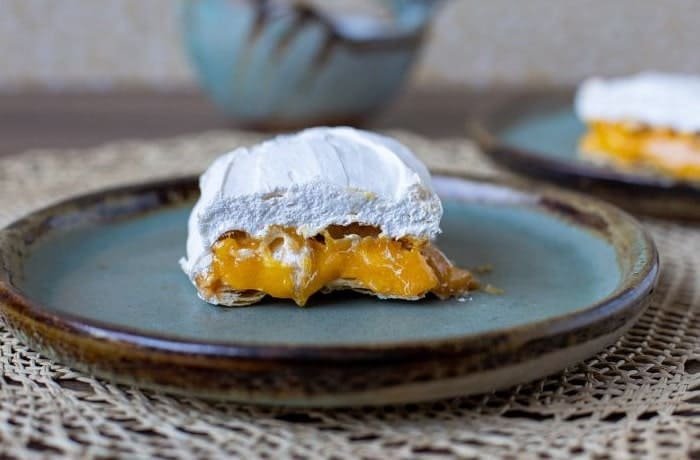
Chilean príncipes are artisan layered cookies from the town of Curacaví, made from three sheets of thin, crispy hojarasca wafer sandwiched together with huevo mol — a dense, golden egg-yolk cream — and coated on the outside with Swiss meringue. They are one of twelve heritage sweets that hold a Denominación de Origen from Chile’s National Institute of Industrial Property, placing them among the most formally recognized traditional confections in the country.
This recipe serves 10 people and takes about two hours from start to finish. The three components — hojarasca dough, huevo mol, and meringue — are prepared in parallel and assembled at the end. Príncipes do not keep well; plan to assemble and serve them on the same day.
How to Make Chilean Princes Cookies?
Making príncipes requires developing three preparations independently and assembling them at the right moment: the hojarasca must be cool and crisp before filling, the huevo mol must be thickened and cooled before spreading, and the meringue must be beaten to firm peaks immediately before coating. Rushing any one of the three steps throws off the final texture of the whole cookie.
Nutritional Information
Each serving of Chilean príncipes contains approximately 300 kcal, 40 g of carbohydrates, 12 g of fat, 5 g of protein, 1 g of dietary fiber, 25 g of sugars, 150 mg of cholesterol, and 50 mg of sodium. (*)
(*) Estimated values. Actual nutrition may vary by ingredients and serving size.
Homemade Chilean Princes Cookies Recipe
Prep Time: 90 minutes
Cook Time: 30 minutes
Servings: 10 people
Ingredients
Hojarasca Dough
- 280 g of wheat flour
- 60 ml of milk
- 5 egg yolks
- 1 tablespoon of lard (manteca)
Huevo Mol Filling
- 500 g of sugar
- 24 egg yolks
- 190 ml of water
- 2 whole eggs
Swiss Meringue Coating
- 150 g of granulated sugar
- 150 g of egg whites

Instructions
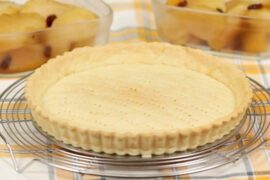
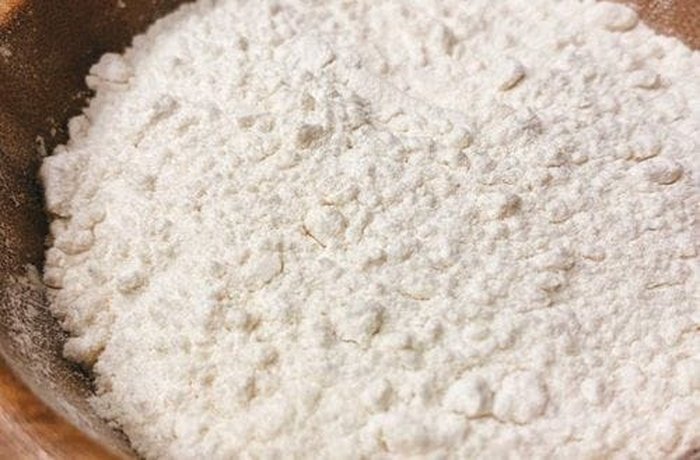
- In a large bowl, sift the flour and add the lard at room temperature and the egg yolks. Mix everything with your hands, then incorporate the milk little by little — just enough to form a smooth, elastic dough. Cover with a clean cloth and let rest for 15 minutes.
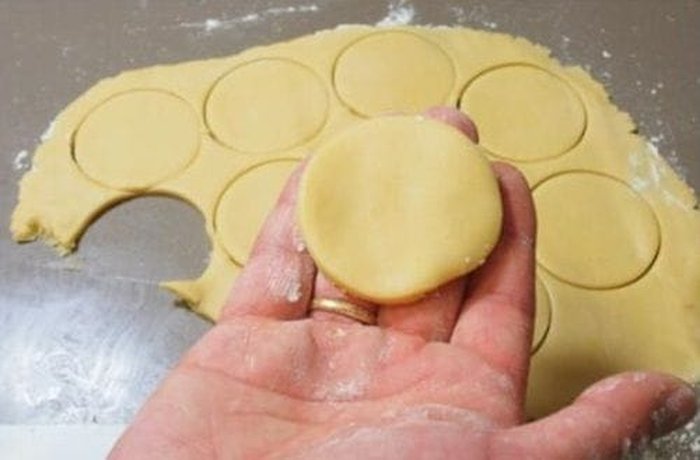
- Transfer the dough to a clean, lightly floured surface. Roll out with a rolling pin to a very thin sheet of about 2 to 3 mm thickness. Prick all over with a fork and cut into elongated rectangles or round circles. Arrange on a baking tray lined with parchment paper.
- Preheat the oven to 180°C (356°F) for 10 minutes, place the tray inside, immediately reduce the temperature to 100°C (212°F), and bake for about 7 minutes until the wafers are lightly golden. Remove and cool to room temperature. Meanwhile, combine the water and sugar in a small saucepan, stir to dissolve, then heat without stirring until the syrup reaches the soft-thread stage (punto de pelo).
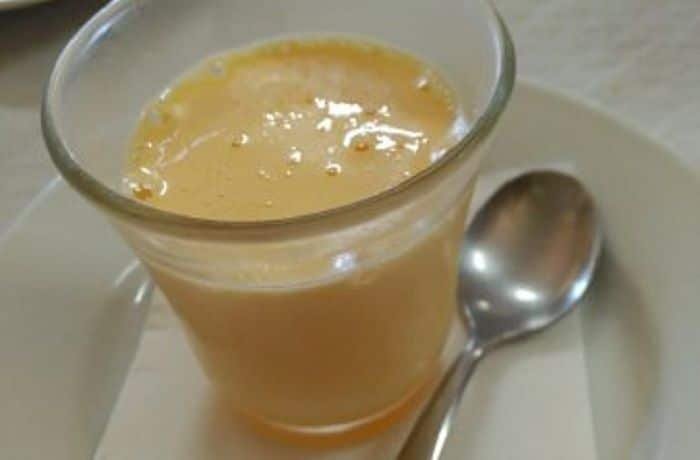
- In a medium bowl, whisk together the egg yolks and whole eggs until combined. Slowly pour the hot syrup into the egg mixture in a thin stream, stirring constantly until the mixture thickens into a smooth, dense cream. Strain through a fine sieve to remove any lumps and cool to room temperature.
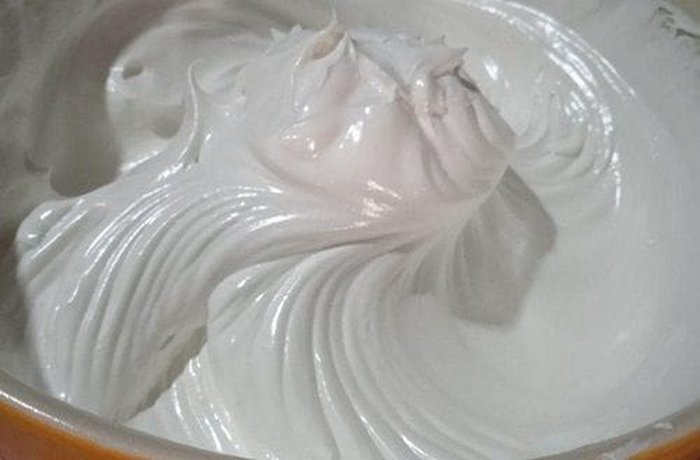
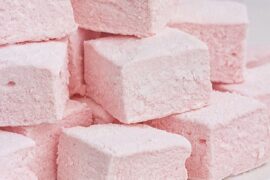
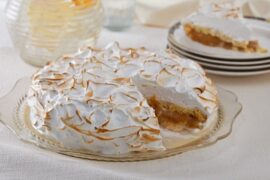
- Place the egg whites and granulated sugar in a heatproof bowl over a pot of simmering water (double boiler), ensuring the bowl does not touch the water. Beat with a hand mixer for about 7 minutes until the meringue is glossy and holds firm peaks. Spread a generous layer of huevo mol over one hojarasca sheet, add a second layer, then top with a third sheet. Coat the outside evenly with the Swiss meringue. Serve cold.
Additional Tips
Monitor the Oven Temperature Carefully
The two-stage temperature baking is intentional: the initial 180°C blast sets the structure of the dough, and the drop to 100°C dries the wafer slowly without browning it. Baking times will vary depending on your oven’s accuracy and the thickness of the rolled dough. Check at the 6-minute mark — the wafer should be pale gold, not dark brown, and should lift cleanly from the paper when fully dry.
Use a Proper Double Boiler for the Meringue
The bowl must not touch the surface of the simmering water below — it should heat by steam only. This gentle, indirect heat pasteurizes the egg whites while dissolving the sugar before beating, producing a meringue that is stable, glossy, and food-safe. If the bowl touches the water, the egg whites will cook unevenly and the meringue will have a grainy texture.
Make the Huevo Mol the Day Before
The filling benefits from resting overnight in the refrigerator, which allows it to firm up to exactly the right consistency for spreading without overflowing the edges of the wafer. Store it in a tightly covered container and bring it back to room temperature — about 30 minutes on the counter — before assembling. Cold huevo mol is too stiff and will crack the hojarasca when you spread it.
| Component | Substitution | Result |
|---|---|---|
| Wheat flour (dough) | Rice flour + cornstarch + chuño blend | Gluten-free version; similar crispiness if proportioned correctly |
| Lard (manteca) | Unsalted butter | Slightly richer flavor; dough behaves similarly |
| Huevo mol | Dulce de leche (manjar) | Simpler to prepare; different flavor — caramel instead of egg |
| Swiss meringue | Royal icing or melted white chocolate | Easier; royal icing dries harder; chocolate adds richness |
Frequently Asked Questions (FAQs)
Can I make the huevo mol filling in advance?
Yes — the huevo mol can be prepared up to one day ahead and stored in the refrigerator in a tightly covered container. Bring it to room temperature before using so it spreads easily between the hojarasca layers without tearing them.
Can the Swiss meringue be replaced with something else?
Yes. Although Swiss meringue is the most traditional coating, you can substitute it with royal icing for a crisper finish or with melted white chocolate for a richer flavor. Both are easier to prepare and hold up better at room temperature than meringue.
Freezing is not recommended. Both the meringue coating and the hojarasca wafer lose their texture when frozen and thawed — the meringue becomes wet and the wafer softens and loses its crispiness. Príncipes are best consumed fresh on the day they are assembled.
What should I do if the hojarasca wafer turns out too hard?
A hard hojarasca usually means the dough did not rest long enough or was too dry before baking. Make sure to let the dough rest for the full 15 minutes covered with a clean cloth, and add milk gradually — only enough to achieve a smooth, pliable consistency before rolling.
What Is a Chilean Príncipe Cookie?
Chilean príncipe (prince) is a layered artisan confection made from three sheets of hojarasca — a thin, dry, short-pastry wafer — sandwiched with huevo mol, a dense cream of egg yolks cooked with sugar syrup, and finished with a coat of Swiss meringue on the outside. The cookie belongs to the same family of heritage sweets as the chilenito and the alfajor de chancaca, all of which originated in the central valley town of Curacaví in the Metropolitana Region. The name “príncipe” (prince) is believed to reflect the cookie’s elaborate, regal appearance relative to simpler confections made from the same hojarasca base.
History of Princes Cookies in Chile
The hojarasca-based sweet tradition in Curacaví developed during the colonial period, when convent-style confectionery flourished in rural Chilean towns as a source of income for religious communities and local artisans. The combination of egg-yolk creams — brought from Spanish and Portuguese culinary traditions — with the thin, dry pastry sheets used across Iberian baking produced a family of cookies unique to central Chile. By the 20th century, Curacaví had become the undisputed center of this tradition, with family workshops producing príncipes, chilenitos, alfajores, and empolvados for markets across the Santiago metropolitan area. The recipes passed largely by oral tradition from generation to generation.
Did You Know?
The sweets of Curacaví are among the few Chilean food products to hold a formal Denominación de Origen — a designation of protected geographical origin granted by INAPI, Chile’s National Institute of Industrial Property. The designation covers twelve heritage preparations made within the commune of Curacaví, Province of Melipilla, Región Metropolitana: chilenitos, alfajores, príncipes, empolvados, cocadas, merengues, empanaditas de pera, empanadas de alcayota, mil hojas, bizcochos, tacitas, hojaldre, and huevo mol. This legal protection recognizes their cultural significance and requires that authentic versions of these sweets be produced within the specified geographic area.