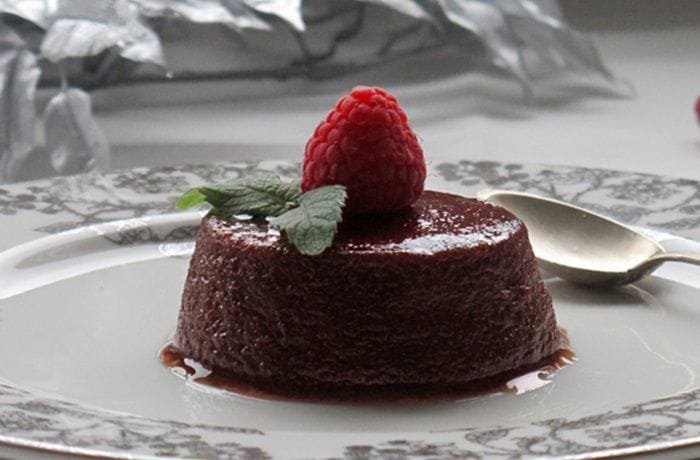
Chilean blackberry flan (flan de moras) is a cold bain-marie custard made with fresh mora puree, eggs, whole milk, and liquid cream, poured over a caramel base in individual molds and unmolded after refrigeration. The moras — known as murras in southern Chile — give the custard a deep violet color and a balance of sweetness and acidity that sets it apart from plain vanilla flan. It is served cold, typically with whipped cream or additional fresh berries.
This recipe serves 6 people and takes about 30 minutes of preparation and 45 minutes of baking. The custard is straightforward to make, but the bain-marie and proper cooling are non-negotiable steps — skipping them produces a grainy, cracked, or sunken flan.
How to Make Chilean Blackberry Flan?
To make Chilean blackberry flan, caramel is prepared first and poured into individual oven-safe molds to coat the base and sides. Separately, a strained blackberry puree is combined with beaten eggs, sugar, and vanilla, then tempered slowly with a hot milk and cream mixture before being poured into the caramelized molds. The filled molds bake in a water bath at 180°C (356°F) until set, then rest and chill for at least four hours before unmolding.
Nutritional Information
Each serving of Chilean blackberry flan contains approximately 360 kcal, 7 g of protein, 17 g of total fat (9 g saturated fat), 105 mg of cholesterol, 42 g of carbohydrates, 35 g of sugars, and 90 mg of sodium. (*)
(*) Estimated values. Actual nutrition may vary by ingredients and serving size.
Homemade Chilean Blackberry Flan Recipe
Prep Time: 30 minutes
Cook Time: 45 minutes
Servings: 6 people
Ingredients
- 300 g of sugar
- 200 g of fresh blackberries (moras)
- 1 teaspoon of vanilla extract
- 5 large eggs
- 240 ml of whole milk
- 240 ml of liquid cream
- Whipped cream, to serve

Equipment
- Medium saucepan
- 6 individual oven-safe ramekins or flan molds
- Immersion blender (minipimer)
- Fine-mesh strainer
- Whisk
- Deep roasting pan for the bain-marie
Instructions
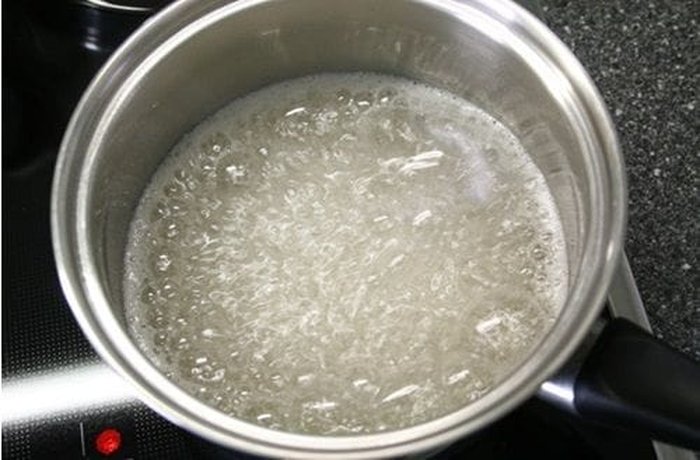
- Prepare the caramel by combining 1 cup of sugar and ¼ cup of cold water in a medium saucepan. Heat over medium heat, stirring constantly until the sugar dissolves, then stop stirring and let it cook until it turns a light amber color. Immediately and carefully pour the hot caramel into 6 individual oven-safe molds, tilting each mold to coat the base and sides evenly. Set aside to harden.
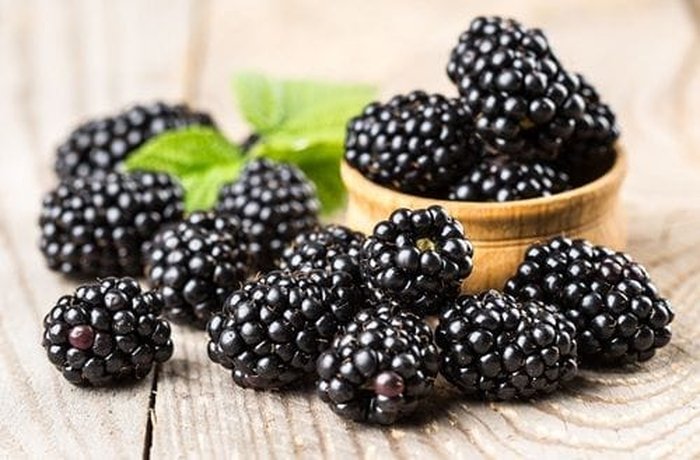
- In a large bowl, blend the fresh blackberries with an immersion blender until smooth. Strain through a fine-mesh sieve if desired to remove seeds. Add the beaten eggs, vanilla extract, and the remaining ½ cup of sugar to the strained puree. Stir gently until fully combined. In a separate saucepan, heat the milk and liquid cream over medium heat until it just reaches a boil. Remove from heat immediately.
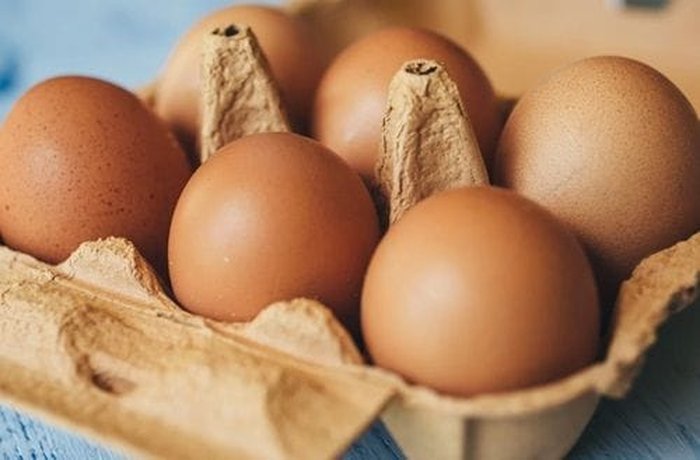
- Slowly pour the hot milk and cream into the blackberry and egg mixture in a thin, steady stream, whisking gently the entire time to prevent the eggs from scrambling. This step, called tempering, raises the temperature of the egg mixture gradually so the proteins do not curdle. Once fully combined, pour the custard into the caramel-lined molds.
- Arrange the filled molds in a deep roasting pan. Fill the pan with boiling water until the water reaches halfway up the sides of the molds. Bake in a preheated oven at 180°C (356°F) for 40 to 45 minutes, or until a wooden toothpick inserted in the center comes out clean and the edges are set but the center still jiggles slightly. Remove the molds from the water bath, allow to cool at room temperature for at least 30 minutes, then refrigerate for a minimum of 4 hours. To unmold, run a thin knife around the edge of each mold, place a dessert plate on top, and invert with a quick, confident motion. Serve cold with whipped cream or fresh blackberries.
Additional Tips
Always Cool at Room Temperature Before Refrigerating
After removing the molds from the bain-marie, allow them to cool at room temperature for at least 30 minutes before placing them in the refrigerator. Moving the flan directly from a hot water bath into a cold environment causes a sudden temperature drop that can crack the surface, cause the custard to sink in the center, or leave the texture rubbery instead of silky. Room-temperature cooling lets the custard finish setting gradually and evenly.
Temper the Eggs Slowly to Avoid Scrambled Custard
The most common mistake when making flan is pouring hot milk directly over the eggs too quickly, which scrambles the egg proteins before they can combine smoothly with the liquid. Pour the hot milk and cream mixture in a very thin, steady stream while whisking constantly. If you see any lumps forming in the bowl, the temperature difference was too sharp — strain the finished custard through a fine-mesh sieve before pouring it into the molds.
Use an Amber Caramel, Not Dark Brown
The caramel should reach a light amber color before you pull it off the heat. Dark brown or near-black caramel turns bitter and will overpower the delicate blackberry flavor of the custard. Work quickly once the sugar begins to color — the transition from amber to burnt happens in seconds. If you are new to making caramel, keep a bowl of ice water nearby so you can plunge the base of the saucepan in to stop the cooking immediately when the right color is reached.
| Ingredient | Substitution | Result |
|---|---|---|
| Fresh blackberries (moras) | Frozen moras, thawed and drained | Same flavor; ensure excess liquid is drained to avoid a watery custard |
| Whole milk | Lactose-free milk or oat milk | Slightly less creamy; increase liquid cream by 30 ml to compensate |
| Liquid cream | Evaporated milk | Lighter texture; suitable if you want a lower-fat version |
| Whipped cream (topping) | Fresh blackberries or berry coulis | More intense berry flavor; skips the dairy topping entirely |
Frequently Asked Questions (FAQs)
Is it necessary to strain the blackberry puree?
No, it is not mandatory. Straining the puree is only necessary if you prefer a perfectly smooth flan texture with no seeds. Chilean moras have small seeds that are barely perceptible once the custard is set, so many home cooks skip this step without any issue.
Can I use lactose-free milk or plant-based milk?
Yes, you can substitute lactose-free milk or a plant-based alternative such as almond or oat milk. The flan may be slightly less creamy. To compensate, use a high-fat liquid cream, which contributes more to the final texture than the milk does.
How do I know when the flan is done?
The flan is done when a wooden toothpick inserted into the center comes out clean. The edges should be firmly set, but the center should still have a slight jiggle when you gently shake the mold — that residual movement will firm up completely during refrigeration.
Can I make blackberry flan in a single large mold?
Yes. Use a 20 cm round ceramic or glass mold. Coat it with caramel, fill it with the blackberry custard, and bake in a bain-marie at 180°C (356°F) for approximately 60 to 70 minutes. Check doneness with the toothpick test. Allow extra cooling time before unmolding, as a large flan needs more time to set completely.
What Is Chilean Blackberry Flan?
Chilean blackberry flan is a cold baked custard dessert that belongs to the flan family — egg-thickened custards cooked in a caramelized mold in a bain-marie and unmolded to reveal the caramel sauce underneath. The Chilean version incorporates moras (blackberries), a fruit particularly associated with the southern regions of the country, which gives the custard its characteristic deep violet color and slightly tart flavor. It is typically served during the blackberry season, from late summer to early autumn, when fresh moras are most readily available in Chilean markets and roadside stalls.
History of Blackberry Flan in Chile
Flan arrived in Chile with the Spanish colonial settlers, who brought with them the Iberian tradition of baked egg custards descended from the medieval Roman dish known as flado. The basic flan de huevo became embedded in Chilean home cooking throughout the 18th and 19th centuries, often enriched with local ingredients. The southern regions of Chile, particularly the Araucanía and Los Ríos regions, have long harvested wild blackberries that grow prolifically along roadsides, forest edges, and stream banks. The incorporation of mora puree into the classical flan structure is a distinctly Chilean adaptation that reflects the country’s tradition of using seasonal local fruit to personalize classic European desserts.
Did You Know?
Chilean blackberry flan can be made with raspberries or blueberries as a direct substitution, but moras produce the best result because of their natural balance of sweetness and acidity. The high anthocyanin content of blackberries is also responsible for the flan’s striking violet color, which intensifies further during baking without any artificial coloring. The same anthocyanins that give the flan its color are among the most studied antioxidant compounds in nutritional science, with research linking them to anti-inflammatory and cardiovascular benefits.