Versión en Español: Receta de pan de Pascua casero
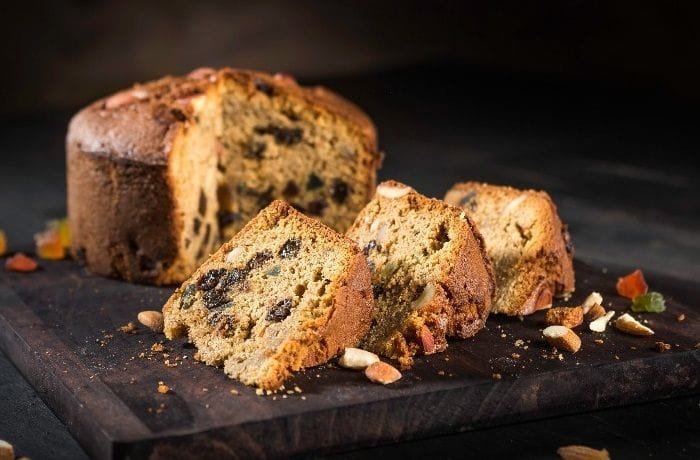
Chilean pan de pascua is a dense, spiced Christmas fruitcake made with 1 kg of wheat flour, candied fruit, walnuts, and golden raisins soaked in rum, enriched with butter and eggs, leavened with dry yeast, and baked at 180°C for 40 minutes. It is the most iconic Christmas food in Chile, served in slices alongside cola de mono or ron pon during the holiday season.
The texture is closer to a European stollen or panettone than to an Anglo-American fruitcake — dense and moist, not crumbly. The recipe has its roots in German and Italian immigrant traditions that arrived in Chile in the 19th century and evolved into a distinctly Chilean version. Serves 12 people.
Nutritional Information
Each serving contains approximately 350 kcal, 50 g of carbohydrates, 15 g of total fat, 5 g of protein, 2 g of fiber, 30 g of sugars, 60 mg of cholesterol, and 100 mg of sodium. Values are estimates and vary with exact portions and the amount of candied fruit used.
How to Make Chilean Pan de Pascua?
There is no single definitive recipe — pan de pascua varies by family and region — but the base always includes candied fruit, walnuts, raisins, and warm spices. The key technique is soaking the fruit and nuts in rum with the spices before adding them to the dough, which distributes the flavor throughout the crumb rather than leaving pockets of dry fruit.
Prep Time: 80 minutes (including resting)
Cook Time: 40 minutes
Servings: 12 people (two 18 cm loaves)
Ingredients
- 1 kg wheat flour, sifted
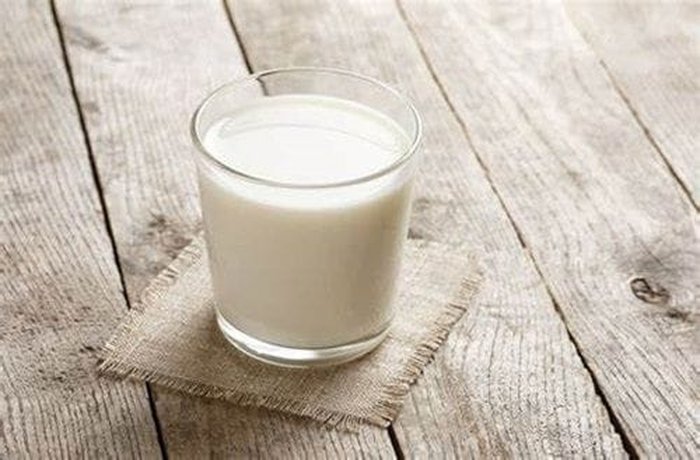
- 250 ml whole milk, warm (35–40°C)
- 230 g sugar
- 200 g unsalted butter, softened
- 100 ml rum
- 7 g dry yeast (1 sachet)
- 5 eggs
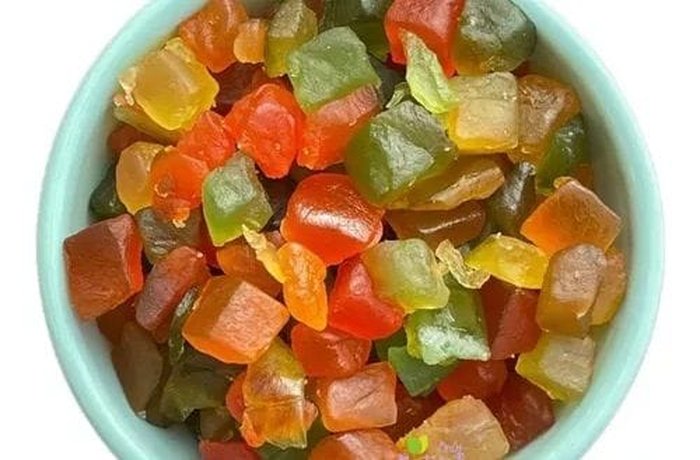
- 2 cups mixed candied fruit (fruta confitada)
- 1 cup walnuts, roughly chopped
- 1 cup golden raisins
- 1 tsp instant coffee
- 1 tsp ground cloves
- 1 tsp ground cinnamon
- 1 tsp ground nutmeg
- ½ tsp fine salt

Instructions
- In a large bowl, combine the sifted flour, dry yeast, warm milk, sugar, and salt. Mix well. Add the eggs one at a time, stirring after each addition without beating. Add the softened butter and the instant coffee. Knead by hand for about 10 minutes until the dough is smooth, homogeneous, and does not stick to your hands.
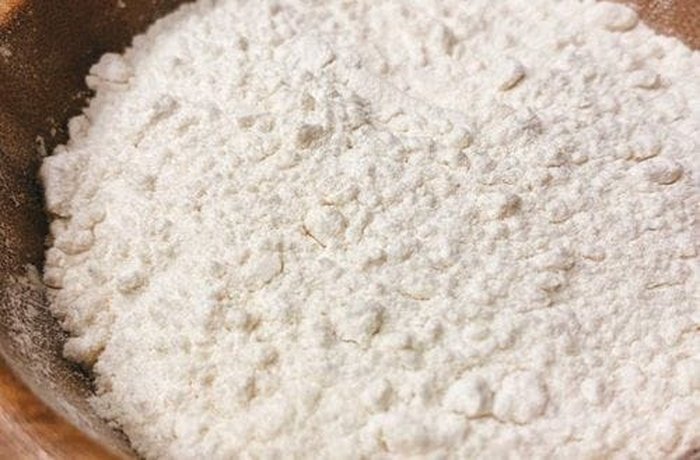
- Cover the dough with a clean cloth and rest for 5 minutes. In a separate bowl, combine the candied fruit, walnuts, and raisins with the rum, cinnamon, ground cloves, and nutmeg. Stir and let macerate for at least 5 minutes (12 hours is better if you have the time). Add the fruit and rum mixture to the dough and knead firmly until everything is evenly distributed throughout.
- Divide the dough in two equal portions. Grease two 18 cm round or loaf molds with butter and flour. Place the dough in the molds, pressing gently to fill evenly. Cover each mold with a clean cloth and leave to rest in a warm, draft-free place for approximately 1 hour, until the dough has risen noticeably. Preheat the oven to 180°C (356°F) for at least 10 minutes.
- Bake for 40 minutes. Test for doneness by inserting a wooden toothpick into the center — it should come out clean and dry. Remove from the oven and let cool in the mold, covered with a cloth, until warm (not hot). Unmold while still warm to prevent sticking. Serve at room temperature, sliced, alongside a glass of cola de mono or ron pon.
Expert Tips
Soak the Fruit in Rum for 12 Hours for Best Results
The recipe calls for a 5-minute maceration, which is the minimum. If you plan ahead and soak the candied fruit, walnuts, and raisins in the rum and spices overnight (12 hours), the fruit absorbs the alcohol fully and the spices infuse deeper into the mix. The result is a noticeably more aromatic crumb where every bite carries the flavor evenly.
How to Tell When the Dough Has Risen Enough?
After the 1-hour rest, the dough should have increased in volume by about 50%. Press your finger 1 cm into the dough — if the indent springs back slowly, the dough is ready. If it springs back immediately, it needs more time. If the indent stays, the dough has over-proofed and may collapse in the oven.
How to Make Sugar-Free Pan de Pascua?
Substitute the 230 g of sugar with sucralose or stevia, following the equivalence on the packaging — both sweeteners are typically much more concentrated than sugar. Check the label for the exact ratio. The texture may be slightly less moist since sugar also contributes to moisture retention in the crumb.
Ingredient Notes and Substitutions
| Ingredient | Notes / Substitution |
|---|---|
| Rum (100 ml) | Pisco, brandy, or cognac for a stronger flavor; orange juice or strong black tea for non-alcoholic |
| Candied fruit (2 cups) | Substitute with dried fruit (cranberries, apricots, figs) or chocolate chips for a modern version |
| Dry yeast (7 g) | Equivalent to 21 g of fresh yeast; baking powder also works but produces a lighter, less traditional texture |
| Instant coffee (1 tsp) | Adds depth and color; substitute with 1 tsp dark cocoa powder or omit entirely |
Frequently Asked Questions (FAQs)
How do I know if my yeast is still active?
Mix the dry yeast with the warm milk (35–40°C) and a pinch of sugar and wait 5 to 10 minutes. If the mixture becomes foamy and doubles in volume, the yeast is active. If nothing happens, the yeast is dead and must be replaced — proceeding with inactive yeast produces a dense, flat cake that will not rise.
Why did my pan de pascua turn out dry or hard?
The two most common causes are over-kneading after adding the fruit (which develops too much gluten) and overbaking at too high a temperature. Check with a toothpick at 35 minutes and remove as soon as it comes out clean.
Can I replace the rum with something non-alcoholic?
Yes. Orange juice or strong black tea are the best substitutes — both add moisture and a complementary flavor. For deeper flavor, reduce the orange juice by half before using and add the same spices to it overnight.
What is the difference between using dry yeast vs baking powder?
Dry yeast is a living organism that requires time to ferment and leaven the dough, producing a denser, more elastic, moister crumb close to the European fruitcake tradition. Baking powder is a chemical leavener that activates immediately with heat, producing a lighter, airier texture. The traditional pan de pascua uses yeast.
How long does pan de pascua keep?
Wrapped tightly in plastic wrap or in an airtight container, pan de pascua keeps at room temperature for up to 5 days and refrigerated for up to 2 weeks. The rum acts as a natural preservative. It can also be frozen for up to 3 months — slice before freezing for easier portions.
History of Pan de Pascua in Chile
Chilean pan de pascua traces its roots to European sweet breads brought by German and Italian immigrants between the 19th and 20th centuries — particularly the German stollen and the Italian panettone. Over generations, the recipe adapted to locally available ingredients and Chilean taste preferences: the spice profile became bolder, the crumb denser, and rum replaced the brandy or wine found in European versions. By the mid-20th century, pan de pascua had become inseparable from Chilean Christmas, sold in bakeries starting in November and made at home through December.
Did You Know?
The name “pan de Pascua” — literally “Easter bread” — is a Chilean misnomer. The word “pascua” historically referred to any major Christian feast day in colonial Spanish, not specifically Easter, so Christmas was called “Pascua de Navidad.” The bread’s name stuck even as the language narrowed the meaning of pascua to refer only to Easter in modern usage. Germans in Chile call the same preparation Weihnachtskuchen.