Versión en Español: Receta de caldo de pata de vacuno

Chilean caldo de pata de vacuno uses 1 kg of beef feet pressure-cooked for 30 minutes in water with garlic and bell pepper, then combined with a sautéed sofrito and thickened with dry-toasted semolina stirred in during the last 20 to 25 minutes. Total time from prep to bowl is under 90 minutes. The broth is gelatinous, deeply savory, and high in natural collagen.
This is one of Chile’s oldest working-class soups — a “levantamuertos” (pick-me-up) traditionally eaten in the morning. The collagen from the cartilage and bone dissolves into the broth during the long cook, producing a liquid that gels when cold. Serves 4 people.
Nutritional Information
Each serving contains approximately 350 kcal, 22 g of protein, 15 g of total fat (6 g saturated), 80 mg of cholesterol, 25 g of carbohydrates, 5 g of sugars, and 800 mg of sodium. The high sodium content comes from seasoning — reduce salt and skip the merkén if you are on a low-sodium diet.
How to Make Chilean Caldo de Pata de Vacuno?
The key to a clear, deeply flavored broth is the blanching step — discarding the first cooking water removes the grey foam and blood residue that cloud the liquid and give it an off-flavor. The semolina must be dry-toasted before adding; raw semolina makes the broth gluey and tastes of raw flour.
Prep Time: 30 minutes
Cook Time: 60 minutes
Servings: 4 people
Ingredients
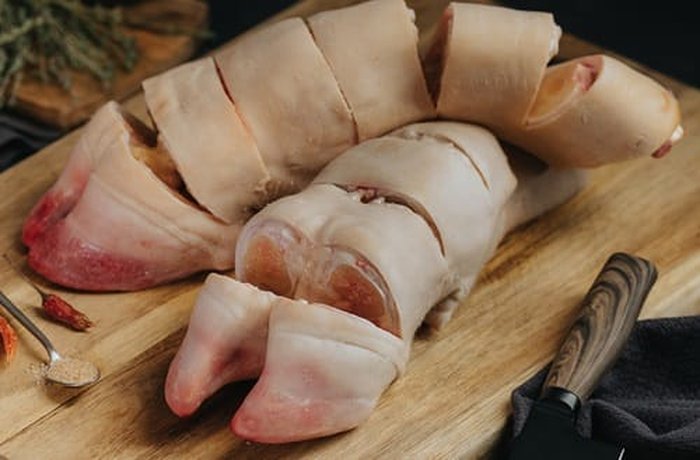
- 1 kg beef feet (patas de vacuno), cut into pieces
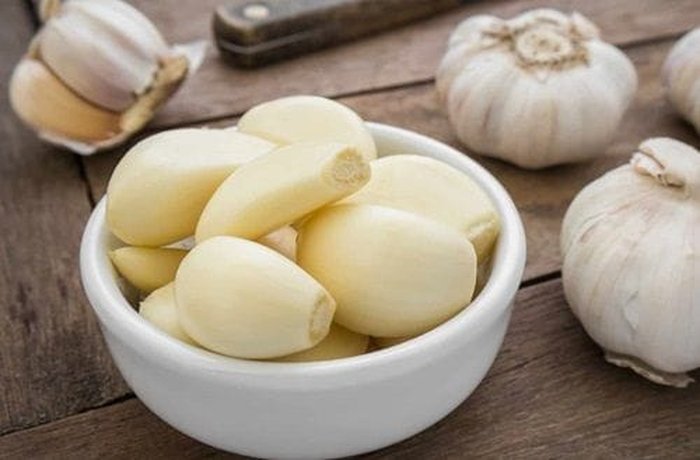
- 3 garlic cloves
- 1 cup semolina (sémola)
- 1 carrot, grated
- 1 red bell pepper
- 1 onion, finely chopped
- Dried oregano
- Fresh cilantro
- Merkén (Chilean smoked chili flakes, to taste)
- Sunflower oil
- Fine salt and black pepper

Instructions
- Rinse the beef feet thoroughly. Place in a pot, cover with cold water, bring to a boil for 5 minutes, then discard the water and rinse the feet (blanching step). Transfer to a pressure cooker with half the bell pepper, the garlic cloves, and fresh cold water to cover. Cook 30 minutes from the moment pressure is reached. Meanwhile, heat a drizzle of sunflower oil in a skillet and sauté the onion, remaining bell pepper, and a pinch of oregano over medium heat until the onion is deeply golden, about 10 minutes.
- In a dry skillet over medium heat, toast the semolina, stirring constantly for 3 to 4 minutes until light golden and nutty-smelling. Open the pressure cooker, add the sautéed sofrito, grated carrot, toasted semolina, salt, pepper, and merkén to taste. Stir and simmer uncovered for 5 minutes more. Remove the beef feet and cut the cartilage and meat away from the bone in bite-sized pieces.
- Place a serving of beef foot meat in each deep bowl and ladle the hot broth over it generously until the meat is completely submerged. Top with freshly chopped cilantro. Serve immediately — caldo de pata must be very hot when it reaches the table. A glass of Chilean white wine is the classic pairing.
Expert Tips
Why Blanch the Beef Feet Before the Main Cook?
Blanching means covering the feet with cold water, bringing to a boil for 5 minutes, and discarding that water. It removes the grey foam of coagulated proteins and residual blood that would cloud the broth and give it a sour, off-flavor. Without blanching, you would spend the first hour of cooking skimming foam constantly to get a clean result.
How to Toast the Semolina and When to Add It?
Pour the semolina into a dry skillet over medium heat and stir constantly for 3 to 4 minutes until it turns a pale gold and smells nutty. The toasting removes the raw-starch taste and adds depth. Add in the last 20 to 25 minutes of cooking — adding at the start makes it dissolve completely and turns the broth gluey.
How to Tell When the Beef Feet Are Cooked?
The cartilage should yield without resistance to a fork, and the meat around the bone should fall away when pulled. The broth itself becomes slightly viscous and shiny as the collagen dissolves — if you spoon a little onto a cold plate and it gels within a minute, the collagen extraction is complete.
Ingredient Notes and Substitutions
| Ingredient | Notes / Substitution |
|---|---|
| Beef feet (1 kg) | Ask the butcher to pre-cut them; whole feet are impossible to pressure-cook effectively |
| Semolina (1 cup) | Can substitute with fine cornmeal (maize flour); rice flour also works but produces a different texture |
| Merkén | Substitute with a pinch of smoked paprika + dried chili flakes; or omit entirely for a milder broth |
| Sunflower oil | Any neutral vegetable oil works; avoid olive oil, which competes with the beef flavor |
Frequently Asked Questions (FAQs)
How long do I cook beef feet in a regular pot (no pressure cooker)?
Without a pressure cooker, cook the beef feet in a covered pot over low heat for at least 2 to 3 hours, or until the meat and cartilage separate easily from the bone. Check the water level periodically and top up as needed.
How do I maximize collagen extraction from beef feet?
Start with cold water — this draws out the collagen gradually as the liquid heats up. A splash of apple cider vinegar (about 1 tablespoon per liter) added to the cold water also helps break down the collagen bonds, producing a more gelatinous broth.
Why does the recipe use semolina and not flour or rice?
Semolina, toasted dry before adding, thickens the broth without making it gluey or starchy. The toasting step removes the raw flour taste and adds a light nutty flavor that complements the beef. Flour tends to clump and rice absorbs too much water, diluting the broth flavor.
Can I make this broth in an Instant Pot or slow cooker?
Yes. In an Instant Pot, use the pressure-cook function on high for 45 to 60 minutes with natural release. In a slow cooker, cook on low for 8 to 10 hours. Both methods produce excellent collagen extraction without monitoring.
How do I store and reheat leftover caldo de pata?
The broth will gel completely when cold — this is normal and a sign of excellent collagen content. Store in airtight containers in the refrigerator for up to 4 days or freeze for up to 3 months. Reheat over low heat, stirring gently to re-liquefy the gel.
Chilean Slow-Cooked Broths — Comparison
| Broth | Main Protein | Cook Time | Thickener |
|---|---|---|---|
| Caldo de pata | Beef feet | 2.5–3 hours | Toasted semolina |
| Cazuela de vacuno | Osso buco (beef shank) | 1.5–2 hours | None |
| Patasca | Tripe + beef feet | 2–3 hours | Hominy (maíz pelado) |
| Valdiviano | Dried beef (charqui) | 30–40 minutes | None |
Benefits of Beef Foot Broth
Beef feet are exceptionally high in natural collagen — the protein that maintains skin elasticity, supports joint cartilage, and contributes to bone density. The long cooking dissolves the collagen into gelatin, a form the body absorbs directly. Caldo de pata is also rich in minerals including calcium, magnesium, sulfur, silicon, and phosphorus, all in highly bioavailable forms released from the bone during the slow cook.
What Is Caldo de Pata?
Caldo de pata de vacuno is a Chilean and broader Latin American broth made from beef feet simmered for hours until the natural collagen dissolves into a gelatinous, deeply savory liquid. In Chile it is classified as a “levantamuertos” — a restorative soup eaten in the early morning, often after a long night. The cut itself — the foot, including the hoof capsule, pastern, and fetlock — is inexpensive and requires long cooking but rewards patience with exceptional depth and body.
Did You Know?
Beef foot broth is one of the oldest preparations in Latin American cooking, appearing across Chile, Peru, Bolivia, and Ecuador with regional variations. In Chile, the addition of toasted semolina as a thickener is a local tradition that distinguishes the Chilean version from the Andean and Peruvian styles, which more often use hominy or corn flour.