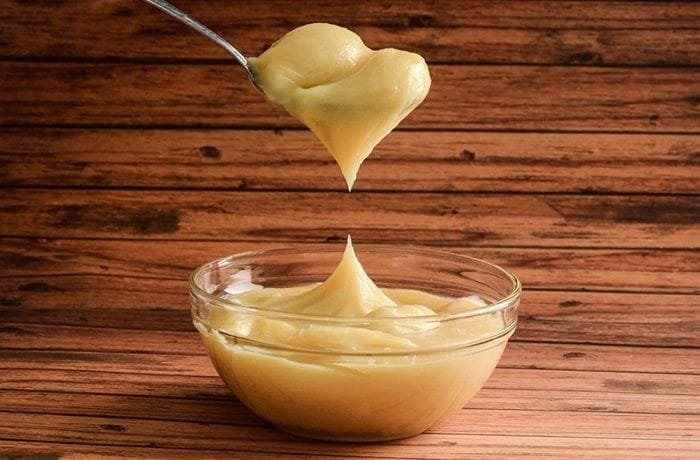
Chilean manjar, also called manjar blanco or dulce de leche, is a thick caramel spread made by slowly cooking whole milk with sugar and a cinnamon stick for 60 to 90 minutes, then finished with butter for shine. It takes 15 minutes of preparation plus 90 minutes of cooking and makes about 10 servings.
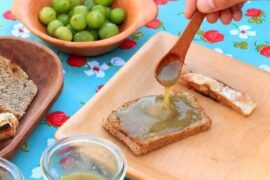
It is one of those wonderful, simple, and delicious preparations that accompany Chileans from childhood and throughout their lives, spread on bread and used to fill cakes, pastries, and cookies.
How to Make Chilean Manjar?
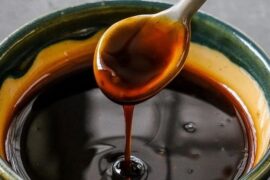
Manjar is a kind of milk jam enriched with butter and, optionally, flavored with cinnamon. Milk and sugar are cooked slowly in a heavy pot, stirring often, until they reduce into a thick, golden caramel.
Nutritional Information
Each serving of homemade manjar contains approximately 250 kcal, 5 g of protein, 10 g of fat (6 g of saturated fat), 30 mg of cholesterol, 35 g of carbohydrates, 35 g of sugars, and 80 mg of sodium. These values are estimates and may vary depending on ingredients and portion sizes.
Homemade Chilean Manjar Recipe
Preparation: 15 minutes
Cooking: 90 minutes
Servings: 10
Ingredients
- 2 liters (68 fl oz) of whole milk
- 500 g (2 1/2 cups) of sugar
- 1 tablespoon of butter
- 1 cinnamon stick (optional)
Instructions
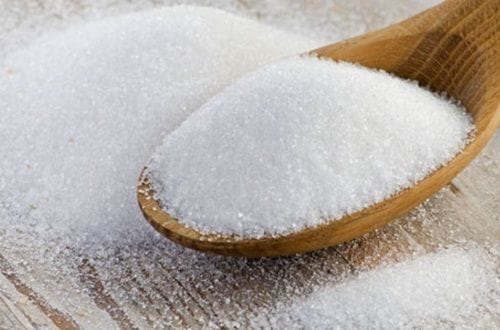
- Pour the milk and sugar into a large copper or heavy bottomed pot, stir from time to time, and let it rest at room temperature until the sugar has completely dissolved.
- Add the cinnamon stick and set the pot over medium high heat, stirring until it comes to a boil and taking care the milk does not boil over. Keep cooking and stirring until the mixture starts to thicken, about 60 to 90 minutes, or until it reaches the consistency you want.
- Take it off the heat, remove the cinnamon, and stir in the butter until melted to give the manjar shine. Keep whisking briefly and pour it while hot into washed and sterilized glass jars.
Additional Tips
Use a heavy bottomed pot
A heavy or double bottomed pot spreads the heat evenly and keeps the milk from scorching or forming a crust on the bottom.
Stir often
Stir frequently throughout the cooking so the milk does not boil over and the manjar does not stick to the bottom.
Test the texture
Draw a spoon across the bottom of the pot. When the trail stays open for a moment before closing, the manjar is ready.
| Original ingredient | Substitute | Ratio | Flavor note |
|---|---|---|---|
| Whole milk | Skim milk | 1:1 | Thinner, less flavor |
| White sugar | Brown sugar | 1:1 | Deeper caramel flavor |
| Cinnamon stick | Vanilla | 1 stick : 1 tsp | Sweeter aroma |
| Stovetop | Pressure cooked condensed milk can | 40 min | Quicker shortcut |
Frequently Asked Questions (FAQs)
1. Why use whole milk?
Whole milk has the fat needed for a rich, creamy consistency. With skim milk the manjar is thinner and less flavorful.
2. How do I know the manjar is ready?
It is ready when it has thickened enough that a spoon drawn across the bottom of the pot leaves a trail that does not close immediately. Cook a few minutes longer for a thicker manjar.
3. Can I make it without cinnamon?
Yes. Cinnamon is optional and only adds aroma; leave it out for a more neutral manjar.
4. How long does homemade manjar keep?
Two to three weeks in the refrigerator in well sealed, sterilized jars. Let it cool completely before storing.
5. Can I use another type of sugar?
White sugar dissolves and caramelizes best, but brown sugar gives a manjar with a deeper flavor.
Origin and History of Dulce de Leche
The origin of manjar is disputed between Argentina, Brazil, Chile, Colombia, and Uruguay, which alone shows how beloved it is across Latin America. One of the earliest written records of a similar milk sweet is from Minas Gerais, Brazil, in 1773, and some believe it derives from the Spanish and Catalan menjar blanc, originally a white almond cream thickened with starch.
A Chilean Origin for Manjar?
One story holds that the Jesuit school of Mendoza received jars of Chilean manjar in the seventeenth century, and that General Jose de San Martin, served manjar blanco in Chile, took it with him on his campaign to Peru and helped spread it across the region after 1817.
Did You Know?
The popular Argentine story that dulce de leche was invented by accident in 1829, during a meeting between Juan Manuel de Rosas and Juan Lavalle, is considered by the chronicler Victor Ego Ducrot to be a myth based on an earlier episode in Chile.
How to adapt this recipe to a vegan or vegetarian version?
How to adapt this recipe to a gluten-free version?
How to adapt this recipe to a keto (ketogenic) version?
Recommended
- Chilean Calugas Recipe
- Chilean Cachitos with Manjar Recipe
- Chilean Mocha Cream Cake Recipe
- Chilean Chocman Recipe