Chilean sanco, also called pavo de sal, is a savory Mapuche porridge of harina tostada (toasted wheat flour) stirred into a hot broth flavored with onion, garlic, and aji de color, served thick and topped with merken. It takes 15 minutes of preparation plus 25 minutes of cooking and serves 4 people.
It is a traditional, nourishing, and restorative dish of Mapuche origin, a preparation well worth rescuing.
How to Make Chilean Sanco?
If you make your own toasted flour, make sure it is not too coarse, since it can scratch the throat; otherwise buy it freshly ground from a good tostaduria. A simple sofrito flavors the water, and the flour is rained in while stirring until the sanco has the texture of a smooth puree.
Nutritional Information
Each serving of sanco contains approximately 275 kcal, 6 g of protein, 10 g of fat (1 g of saturated fat), 0 mg of cholesterol, 40 g of carbohydrates, 1 g of sugars, and 400 mg of sodium. These values are estimates and may vary depending on ingredients and portion sizes.
Homemade Mapuche Sanco Recipe
Preparation: 15 minutes
Cooking: 25 minutes
Servings: 4 people
Ingredients
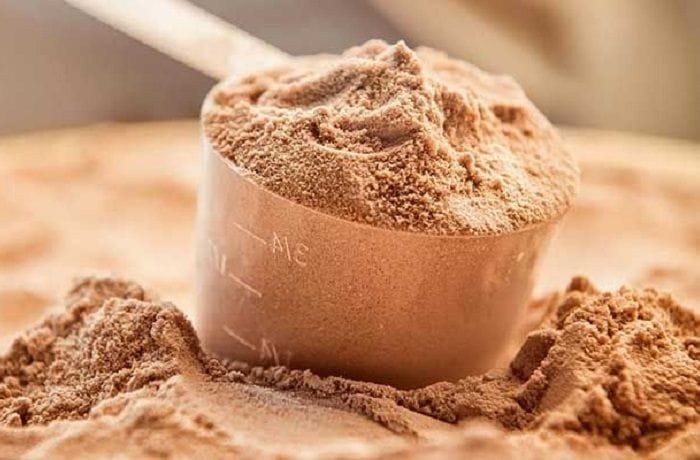
- 300 g (2 1/2 cups) of harina tostada (toasted wheat flour)
- 1 liter (34 fl oz) of hot water
- 20 ml (4 teaspoons) of oil
- 1 onion
- 1 garlic clove
- Aji de color (Chilean paprika seasoning)
- Merken
- Fine salt
Instructions
- In a medium pot, heat the oil over medium heat, add the thinly sliced onion, and cook over low heat for about 10 minutes, until translucent but not caramelized.
- Add the finely chopped garlic, the aji de color, and salt to taste, stir, and cook for a couple of minutes more. Carefully pour in the hot water, stir, and simmer for another 10 minutes.
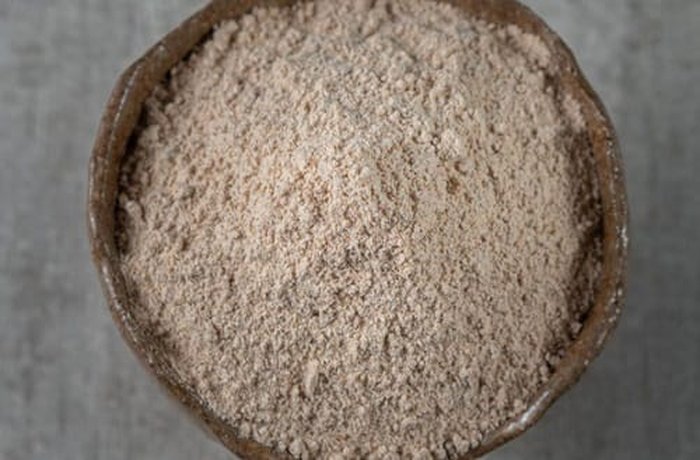
- Rain in the toasted flour little by little, stirring constantly with a wooden spoon, until fully absorbed and the mixture has the smooth consistency of a puree. Take it off the heat and let it rest for a minute. Serve the sanco right away, very hot, in a bowl, sprinkled with merken to taste.
Additional Tips
Add the flour like rain
Sprinkle the toasted flour gradually while stirring constantly. It is the key to a smooth, lump free sanco.
Do not caramelize the onion
Cook the onion only until translucent, so the garlic and aji de color stand out without extra sweetness competing with the toasted flour.
Adjust the texture
Sanco should be like a soft puree. Add more flour if it is too thin, or a little hot water if it is too thick.
| Original ingredient | Substitute | Ratio | Flavor note |
|---|---|---|---|
| Harina tostada | Toasted barley flour | 1:1 | Nuttier, darker |
| Water | Vegetable or chicken stock | 1:1 | Richer |
| Aji de color | Sweet paprika | 1:1 | Milder |
| Merken | Chili flakes | 1:1 | No smoky note |
Frequently Asked Questions (FAQs)
1. Why is it also called pavo de sal?
It is a popular Chilean name that sets it apart from ulpo, which is usually sweet. Being savory and filling, it is associated with a main country dish.
2. What is the ideal texture of sanco?
It should be like a smooth puree. If it is too runny, add a little more flour; if too dry, add hot water carefully.
3. Do I have to use merken?
Salt is the base, but merken is the soul of the Mapuche recipe, adding the smoky, spicy touch that makes sanco authentic.
4. Can sanco be reheated?
Yes, but the toasted flour keeps absorbing liquid. Add a splash of hot water when reheating and stir well to bring back its creamy texture.
What Is Sanco?
Sanco is a savory porridge of toasted wheat flour from Mapuche and Chilean country cooking. Warm, filling, and cheap, it was a staple in rural homes of central and southern Chile, especially in winter.
Toasted Flour in Chilean Cooking
Harina tostada is one of the oldest Chilean staples. Besides savory sanco and sweet ulpo, it goes into drinks such as chupilca and pihuelo and into soups, cookies, and breads.
Did You Know?
In Chile, toasted flour is also a common ingredient in traditional drinks such as chupilca, with wine, pihuelo, with grape chicha, and malta con harina, with dark beer.
How to adapt this recipe to a vegan or vegetarian version?
How to adapt this recipe to a gluten-free version?
How to adapt this recipe to a keto (ketogenic) version?
Recommended
- Chilean Ulpo Recipe
- Chilean Toasted Flour Soup Recipe
- Chilean Concones Soup Recipe
- Chilean Chupilca Recipe