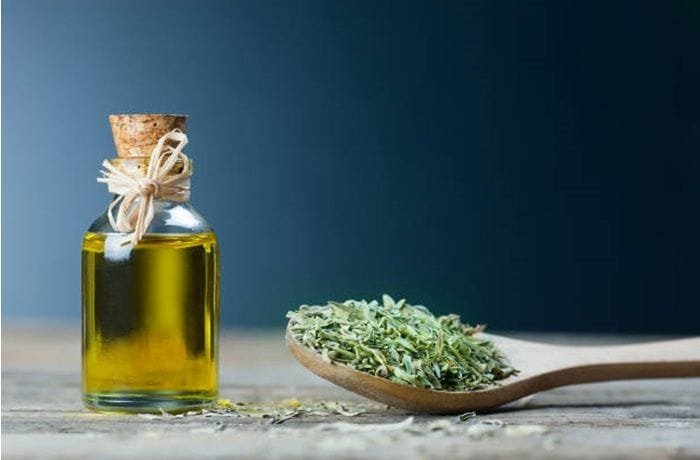
Homemade oregano oil, known in Spanish as aceite de orégano or aceite oro, is olive oil infused with crushed dried oregano, warmed briefly in a hot water bath, left to steep for 48 hours, and strained. It takes 10 minutes of preparation and 10 minutes in the water bath, and makes about 250 ml.
It is an aromatic seasoning oil for salads, dressings, marinades, soups, and pasta, with an intense, spicy flavor that should be used sparingly.
How to Make Oregano Oil at Home?
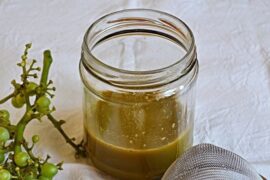
Commercial oregano essential oil is obtained by distilling the flowers and leaves of the plant, while this homemade version is an infusion. Dried oregano is crushed, covered with olive oil in a sterilized jar, warmed in hot water, left in a cool dark place for 48 hours, and strained into a clean jar.
Nutritional Information
Each serving of oregano oil (1 tablespoon) contains approximately 120 kcal, 0 g of protein, 14 g of fat, 0 mg of cholesterol, 0 g of carbohydrates, 0 g of sugars, and 0 mg of sodium. These values are estimates and may vary depending on ingredients and portion sizes.
Homemade Oregano Infused Oil Recipe
Preparation: 10 minutes (plus 48 hours of steeping)
Cooking: 10 minutes
Servings: About 16 tablespoons (250 ml)
Ingredients
- 250 ml (1 cup) of olive oil
- 50 g of dried oregano
- Boiling water, for the water bath
Instructions
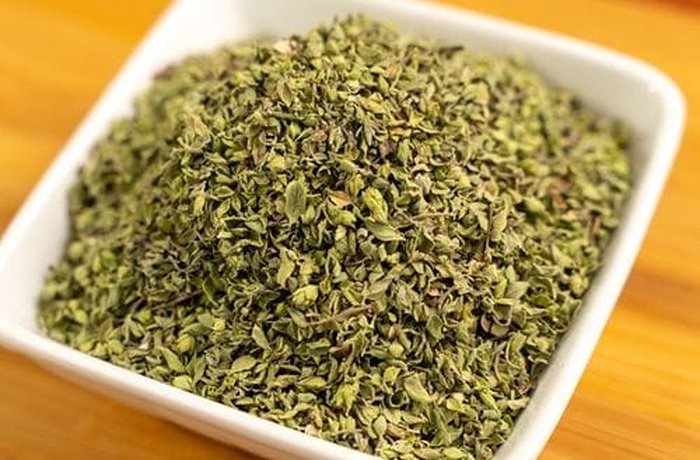
- Crush the dried oregano in a mortar or food processor and place it in a sterilized, completely dry jar. Carefully pour in the olive oil, making sure it covers the oregano completely, and seal the jar.
- Fill a large pot halfway with water and bring it to a boil. Turn off the heat, carefully place the jar inside, and leave it for 10 minutes. Remove and let cool to room temperature.
- Store the jar in a cool, dark place for 48 hours. Open it and strain the contents through a fine sieve to remove the oregano and obtain a clear, bright oil.
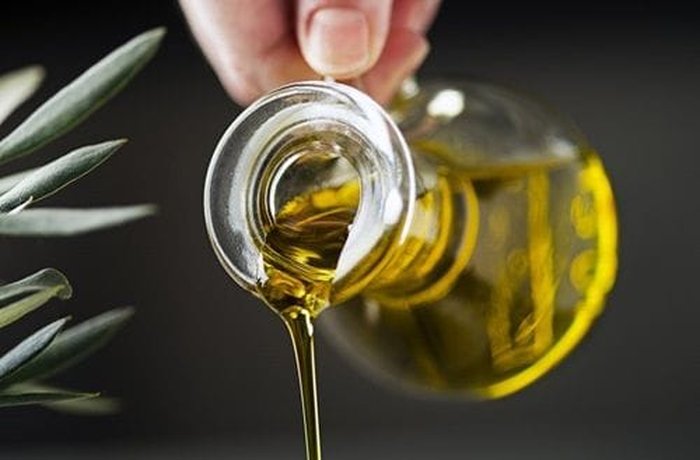
- Pour the oregano oil into a new sterilized jar, label it with the date, and store it in a cool, dark place. Use it within two months.
Additional Tips
Keep everything dry
Water is the enemy of oil infusions. Both the oregano and the jars must be completely dry to prevent bacterial growth and keep the oil clear.
Use it as a seasoning
Drizzle it over salads, soups, stews, pasta, and vegetable dishes, or use it as the base of dressings, marinades, and sauces for meat, poultry, and fish.
Dilute if too strong
The oil is concentrated. If the flavor is overpowering, mix it with more extra virgin olive oil. It is a finishing seasoning, not a frying oil.
| Original ingredient | Substitute | Ratio | Flavor note |
|---|---|---|---|
| Dried oregano | Dried thyme | 1:1 | Earthier, milder |
| Dried oregano | Dried rosemary | 1:1 | Piney, ideal for lamb |
| Olive oil | Sunflower oil | 1:1 | Neutral, lets oregano stand out |
| Plain infusion | Add a dried chili | 1 per jar | Spicy oil |
Frequently Asked Questions (FAQs)
1. Why does my oil look cloudy instead of clear?
This usually happens when the oregano or the jar contained moisture. Both must be completely dry to prevent bacteria from growing and to keep the oil clear.
2. Can I use fresh oregano?
It is not recommended, because the water in fresh leaves increases the risk of contamination. If you do, keep the oil in the fridge and use it within a few days. Dried oregano is the safer, more stable choice.
3. What if the flavor is too strong?
Oregano oil is a concentrate. If it is too intense, dilute it with more extra virgin olive oil and use it in small amounts.
4. How do I know if the oil has gone bad?
If it smells sour or like paint, it has turned rancid from too much heat or light. Throw it away and make a fresh batch.
Oregano Oil in the Kitchen
Homemade oregano oil adds instant flavor to everyday meals. Use it in salads and dressings, stir it into soups and stews, toss it with pasta and roasted vegetables, or mix it with other herbs and spices to build marinades for meat, poultry, and fish.
Infused Oil vs Essential Oil
This recipe makes a culinary infused oil, which is not the same as the oregano essential oil sold in small bottles. Essential oil is a highly concentrated distillate and should never be used in cooking the same way as an infused oil.
Did You Know?
The word oregano comes from the Greek origanon, usually explained as joy of the mountain, a reference to the wild plant that grows on Mediterranean hillsides. The ancient Greeks and Romans already used it to season food.
How to adapt this recipe to a vegan or vegetarian version?
How to adapt this recipe to a gluten-free version?
How to adapt this recipe to a keto (ketogenic) version?
Recommended
- Oregano Bread Recipe
- Garlic and Oregano Breadsticks Recipe
- Homemade Chilean Pebre Recipe
- Homemade Apple Cider Vinegar Recipe