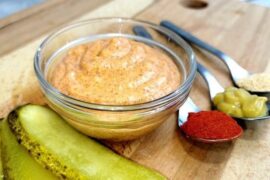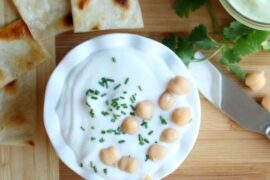
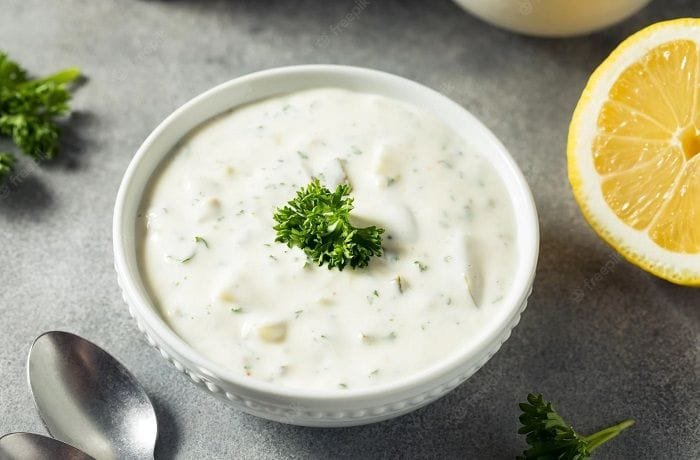
Homemade tartar sauce, or salsa tártara, is a cold sauce of mayonnaise mixed with mustard, lemon juice, and finely chopped onion, pickle, and parsley, seasoned and chilled so the flavors blend. It takes 15 minutes to prepare, plus an hour of chilling, and serves 4.
It is a classic companion for fried fish, calamari, and seafood, and works just as well with salads and meats.
How to Make Tartar Sauce?
Tartar sauce is a cold sauce built on mayonnaise with mustard, onion, pickle, parsley, and lemon juice. The vegetables are chopped very finely, the mayonnaise is mixed with mustard and lemon, the chopped ingredients are folded in, and the sauce rests in the fridge for at least an hour.
Nutritional Information
Each serving of tartar sauce contains approximately 200 kcal, 1 g of protein, 20 g of fat, 15 mg of cholesterol, 2 g of carbohydrates, 1 g of sugars, 0.5 g of fiber, and 300 mg of sodium. These values are estimates and may vary depending on ingredients and portion sizes.
Homemade Tartar Sauce Recipe
Preparation: 15 minutes (plus 1 hour chilling)
Servings: 4
Ingredients
- 1 cup (240 g) of mayonnaise
- 2 tablespoons of mustard
- ½ onion, finely chopped
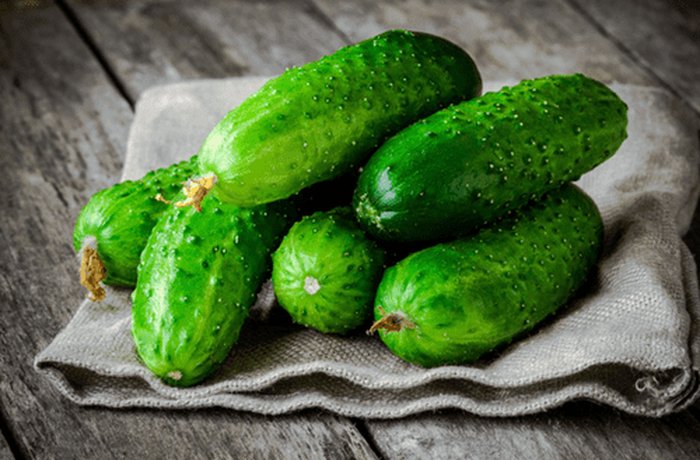
- 1 pickle, finely chopped
- 2 tablespoons of chopped parsley
- 2 tablespoons of lemon juice
- Fine salt
- Black pepper
Instructions
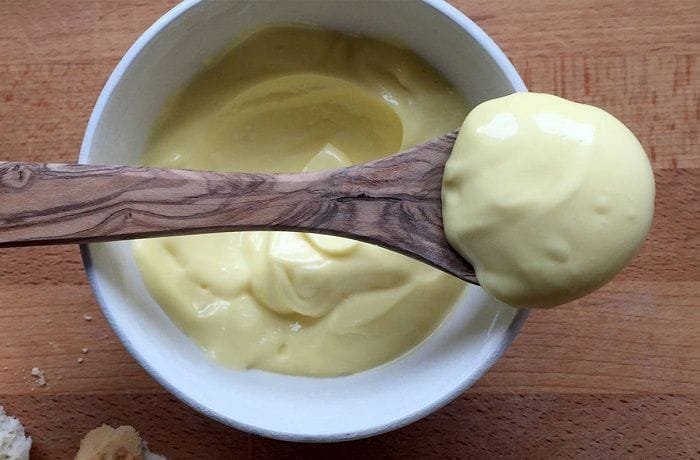
- On a clean, dry board, finely chop the onion, pickle, and parsley and set aside. In a large bowl, add the mayonnaise, then the mustard and lemon juice, and stir gently with a wooden spoon until combined.
- Add the chopped onion, pickle, and parsley, season with salt and pepper, and stir until even. Cover with plastic wrap and refrigerate for at least 60 minutes.
- Serve the tartar sauce with fried fish, fried calamari, seafood, salads, or meats.
Additional Tips
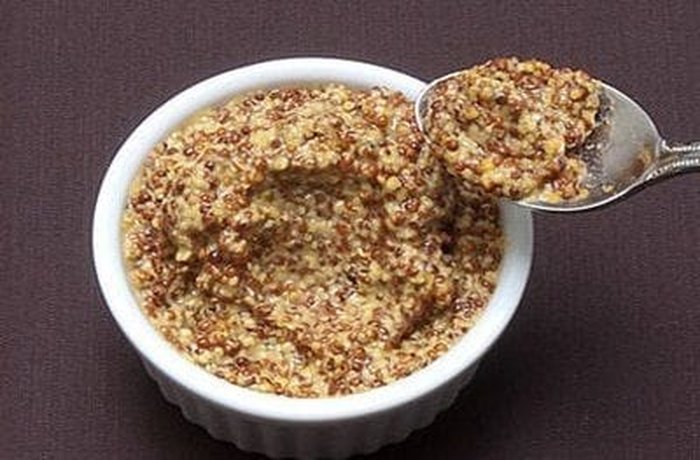
Use small pickles
Small sour pickles such as cornichons have a more concentrated flavor and crisper texture. Avoid very large or sweet pickles, which change the balance of the sauce.
Let it rest
Chilling lets the lemon and pickle acidity and the aromas of onion and parsley blend into the mayonnaise for a deeper flavor.
Rinse the onion
If raw onion is too sharp for you, rinse the chopped onion in cold water and drain it well before adding it.
| Original ingredient | Substitute | Ratio | Flavor note |
|---|---|---|---|
| Mayonnaise | Greek yogurt + mayonnaise | Half and half | Lighter, tangier |
| Pickle | Capers | 1 tablespoon | Saltier, briny |
| Onion | Shallot or scallion | 1:1 | Milder |
| Parsley | Dill | 1:1 | Classic with fish |
Frequently Asked Questions (FAQs)
1. Can I use any kind of pickle?
Yes, but small sour pickles such as cornichons are best for their concentrated flavor and crunch. Avoid very large or sweet pickles.
2. What does the mustard do?
Mustard adds a subtle heat and also acts as a secondary emulsifier, helping stabilize the mayonnaise and keep the chopped ingredients evenly mixed.
3. Why chill the sauce?
Resting lets the flavors blend. The acidity of the lemon and pickle penetrates the mayonnaise, giving a deeper, more complex taste.
4. How long does homemade tartar sauce keep?
Made with store bought mayonnaise, it keeps 3 to 4 days in an airtight container in the fridge. With homemade mayonnaise made with raw egg, eat it within 24 hours.
History of Tartar Sauce
Tartar sauce comes from French cuisine, and its name is usually linked to the Tatars, nomadic peoples of the Central Asian and Eastern European steppes, through the dish steak tartare it was originally served with.
What to Serve with Tartar Sauce
In Chile, tartar sauce is the classic match for fried hake, reineta, and calamari, and it also goes well with fish sandwiches, fried potatoes, and grilled seafood.
Did You Know?
Mayonnaise, the base of tartar sauce, is often said to take its name from the port of Mahón on the island of Menorca, popularized in France in the eighteenth century.
How to adapt this recipe to a vegan or vegetarian version?
How to adapt this recipe to a gluten-free version?
How to adapt this recipe to a keto (ketogenic) version?
Recommended
- Chilean Homemade Mayonnaise Recipe
- Lactonesa Eggless Mayonnaise Recipe
- Chilean Beer Battered Hake Recipe
- Chilean Fried Pejerrey Recipe