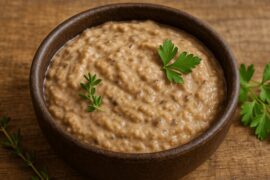
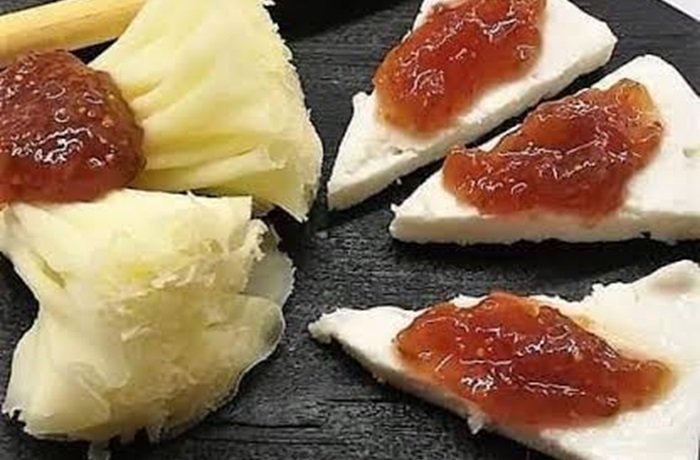
Chilean fig syrup, or arrope de higos, is a thick, dark syrup made by soaking dried figs overnight, simmering them in their soaking water with cinnamon, cloves, and orange peel for 60 to 75 minutes, removing the figs, and reducing the liquid until it coats a spoon. It takes 12 hours of soaking and 2 hours of cooking, and makes 8 servings.
A traditional preserve of Chile’s Norte Chico, spread on bread, poured over sopaipillas, or used as a sauce for desserts, with no added sugar needed.
How to Make Fig Syrup?
It has two stages. An overnight soak hydrates the figs and draws their sweetness into the water, and a long, slow simmer turns that liquid into syrup. You only need a large pot and time.
Nutritional Information
Each 100 ml serving of fig syrup contains approximately 160 kcal, 1 g of protein, 0.3 g of total fat (0 g of saturated fat), 0 mg of cholesterol, 38 g of carbohydrates, 34 g of sugars, and 10 mg of sodium. These values are estimates and may vary depending on ingredients and portion sizes.
Homemade Chilean Fig Syrup Recipe
Preparation: 12 hours (soaking)
Cooking: 2 hours
Servings: 8
Ingredients
- 500 g of dried figs
- 1.5 liters (6⅓ cups) of water
- 1 cinnamon stick
- 4 cloves
- Peel of 1 orange (optional)
- 2 tablespoons of sugar (optional)

Instructions
- Rinse the dried figs under cold running water, rubbing them gently. Place them in a large bowl, cover with the 1.5 liters of water, and soak for 8 to 12 hours or overnight. The soak softens the figs and draws their natural sweetness into the water, which becomes the base of the syrup.
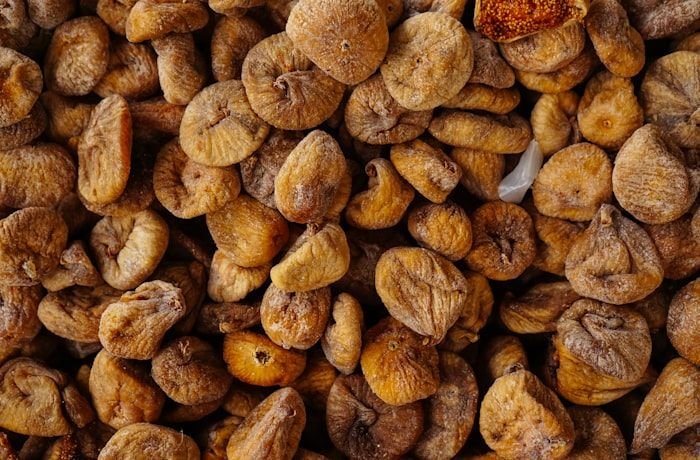
- Transfer the figs and all the soaking water to a large pot. Add the cinnamon, cloves, and orange peel. Bring to a boil over medium heat, then lower the heat and simmer uncovered for 60 to 75 minutes, stirring occasionally, until the figs are very soft and the liquid has reduced by about half.
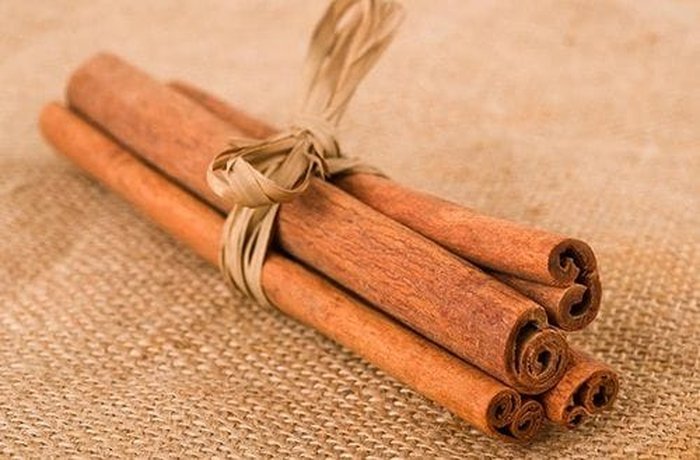
- Lift out the figs with a slotted spoon and set them aside. Add the sugar to the liquid now if you want it sweeter. Raise the heat to medium and cook the liquid 20 to 30 more minutes until it thickens and coats a spoon. Remove the cinnamon, cloves, and orange peel.
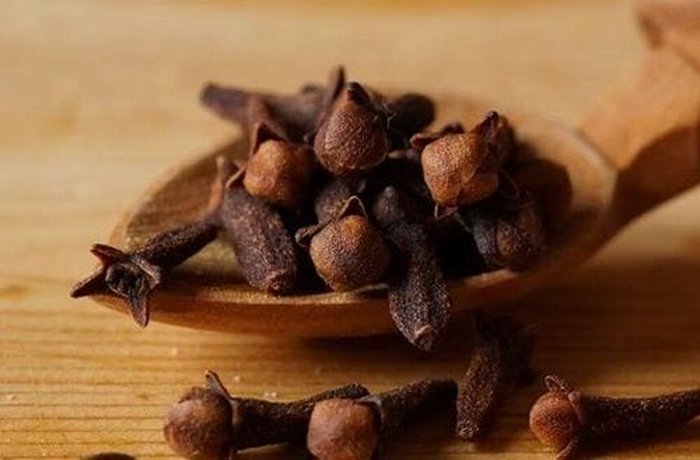
- Let the syrup cool for 15 minutes, pour it into a sterilized glass jar, and seal tightly. Keep the cooked figs separately, covered with a little syrup, or eat them right away. Store in the fridge for up to 3 weeks.
Additional Tips
Do not skip the soak
Skipping it gives a more bitter, thinner syrup. At least 8 hours lets the fig sugars dissolve gradually.
Keep the heat low
High heat evaporates the water before the flavors blend and can make it bitter. Slow cooking gives the dark color and complex aroma.
Use the cooked figs
Eat them on their own, spread them on bread with the syrup, or use them to fill sweet empanadas.
| Original ingredient | Substitute | Ratio | Flavor note |
|---|---|---|---|
| Dried figs | Dried figs with orange peel | 500 g | Citrus aroma |
| No sugar | 2 tablespoons of sugar | Optional | Only if the figs are not sweet |
| Cinnamon and cloves | Star anise | 1 star | Different spice note |
| Fridge storage | Hot sealed sterilized jars | Up to 3 months | Longer storage |
Frequently Asked Questions (FAQs)
1. What is the difference between fig syrup and fig jam?
Fig jam is made with crushed fresh figs and sugar and has a thick, jelly like texture. Arrope is made with whole dried figs cooked in water, resulting in a dark, more concentrated and spiced liquid syrup.
2. Can I make it without sugar?
Yes. Dried figs have enough natural sugar, and the traditional Chilean recipe uses none. Add sugar only if your figs are not very sweet.
3. How long does it keep?
Up to 3 weeks in the fridge in a tightly closed glass jar. Sealed hot in a sterilized jar, it lasts up to 3 months unopened in a cool, dark place.
4. Which region of Chile is fig syrup from?
It is traditional in the Norte Chico, especially the Coquimbo and Atacama regions, where the Elqui, Limarí, and Huasco valleys grow figs that are sun dried and turned into arrope in winter.
History of Fig Syrup
The Spanish word arrope comes from Arabic and means fruit syrup. It reached Chile with Spanish colonial culture, and in the fig growing valleys of the Norte Chico settlers dried figs in the summer sun and cooked them into syrup in winter, a substitute for refined sugar, which was scarce and expensive. Grape arrope followed the same logic with grape must.
Did You Know?
The Huasco Valley and parts of the Coquimbo region grow old criollo fig varieties shaped by centuries of local selection, some with very thin skin and almost orange flesh.
How to adapt this recipe to a vegan or vegetarian version?
How to adapt this recipe to a gluten-free version?
How to adapt this recipe to a keto (ketogenic) version?
Recommended
- Chilean Grape Arrope Recipe
- Chilean Arrope Turrón Recipe
- Homemade Fig Jam Recipe
- Chilean Sopaipillas Pasadas Recipe