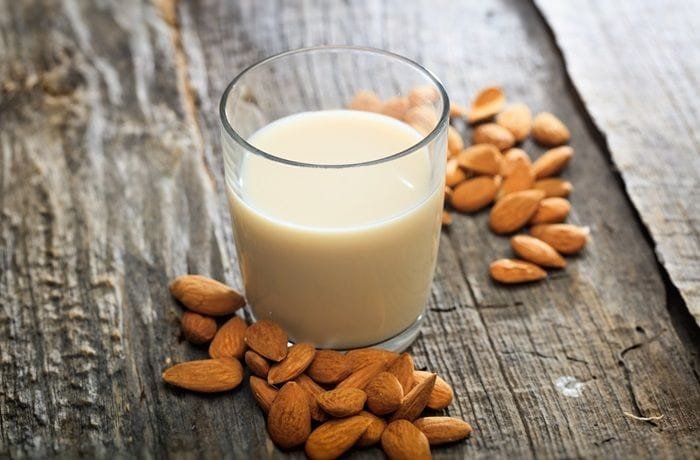
Homemade almond milk is raw almonds soaked overnight, rinsed, blended at high speed with 4 cups of fresh water, and strained through a nut milk bag, then optionally flavored with vanilla and a natural sweetener. It takes 10 minutes of preparation plus 12 hours of soaking and makes 4 servings.
A plant based, lactose free alternative to milk for breakfasts, smoothies, and recipes, with no additives.
How to Make Almond Milk?
All you need is raw almonds, water, and a blender. Made at home, it has no additives or added sugars.
Nutritional Information
Each serving of almond milk contains approximately 60 kcal, 2 g of protein, 3 g of total fat, 0 mg of cholesterol, 6 g of carbohydrates, 1 g of sugars, and 50 mg of sodium. These values are estimates and may vary depending on ingredients and portion sizes.
Homemade Almond Milk Recipe
Preparation: 10 minutes (plus 12 hours soaking)
Servings: 4
Ingredients
- 1 cup of raw almonds
- 4 cups of water
- 1 teaspoon of vanilla extract
- Natural sweetener, such as honey or dates (optional)
Instructions
- Place the almonds in a large bowl, cover with water, and soak overnight. The next day, drain and rinse them. Put the soaked almonds in a blender with 4 cups of fresh water.
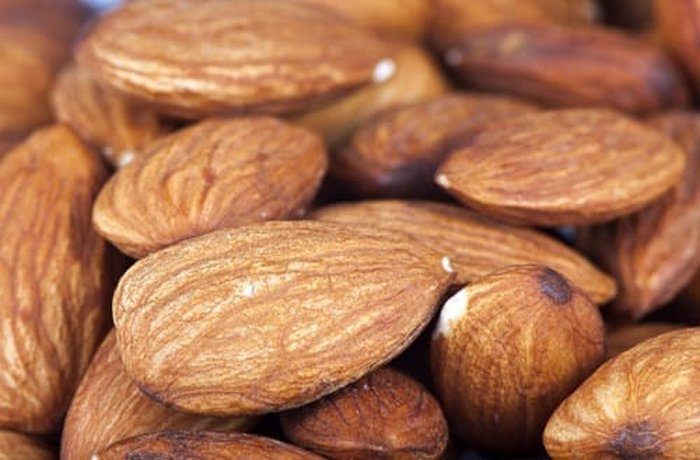
- Blend at high speed for 1 to 2 minutes until the almonds are completely ground and the liquid looks white and milky. Strain through a nut milk bag or a clean kitchen towel.

- Squeeze firmly to extract as much milk as possible. Add vanilla and sweetener if you like, mix well, and serve right away, or keep it in an airtight glass bottle in the fridge for 3 to 5 days.
Additional Tips
Use very cold water
Cold water keeps the emulsion stable and prevents the blender’s heat from altering the almond fats.
Try other flavors
Add cinnamon, a pinch of nutmeg, or a spoonful of cocoa for chocolate almond milk.

Use the pulp
Most of the fiber stays in the pulp, so add it to cookies, energy bars, or smoothies.
| Original ingredient | Substitute | Ratio | Flavor note |
|---|---|---|---|
| Honey | Soaked dates | 2 to 3 | Vegan sweetener |
| Vanilla | Cinnamon | ½ teaspoon | Warm flavor |
| Plain | With cocoa | 1 tablespoon | Chocolate milk |
| Nut milk bag | Clean towel or cheesecloth | To strain | No special tools |
Frequently Asked Questions (FAQs)
1. What do I do with the almond pulp?
Do not throw it away: much of the fiber and protein stays there. Use it in cookies, energy bars, or smoothies.
2. Can I use almonds with skin?
Yes, though the skin can taste slightly bitter. Peel them after soaking for a smoother, more delicate milk.
3. What if I do not have a nut milk bag?
Use a clean kitchen towel, fine mesh sieve, or cheesecloth, and squeeze well.
4. Why does it separate in the fridge?
It has no emulsifiers or stabilizers. Just shake it before using.
Benefits
Homemade almond milk is naturally lactose free and cholesterol free and provides vitamin E, an antioxidant.
Did You Know?
Almond milk dates back to the Middle Ages, when it was widely used in Europe and the Middle East as a substitute for animal milk, especially during religious fasts.
How to adapt this recipe to a vegan or vegetarian version?
How to adapt this recipe to a gluten-free version?
How to adapt this recipe to a keto (ketogenic) version?
Recommended
- Vegan Almond Milk Loaf Cake Recipe
- Homemade Oat Water Recipe
- Golden Milk Recipe
- Chilean Charcoal Coffee Recipe