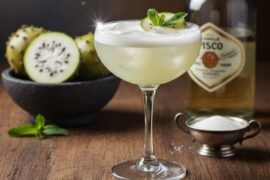
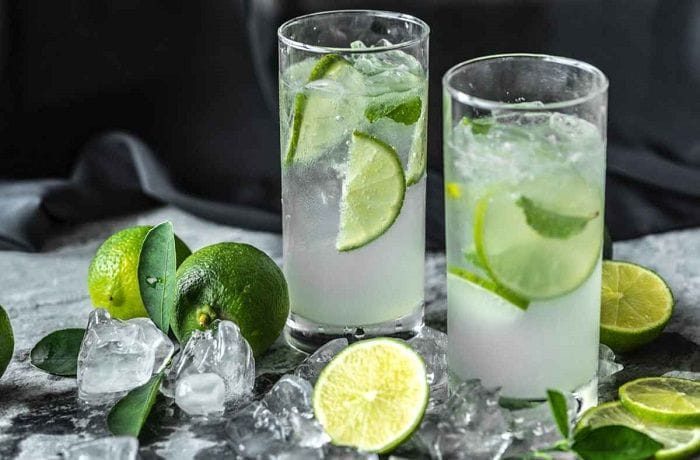
The pistón is a Chilean pisco cocktail built on the same logic as the piscola — a spirit lengthened with a carbonated mixer over ice — but with tonic water in place of cola and Pica lemon instead of lime. The result is a drier, more aromatic drink: slightly bitter from the quinine in the tonic, fragrant from the thin-skinned limón de Pica, and clean enough to pair easily with seafood and light starters. It takes five minutes to make and requires no shaking or blending.
The limón de Pica, grown in the oasis town of Pica in the Tarapacá region of northern Chile, is the detail that separates a pistón from an ordinary pisco tonic. Its skin is thin, intensely fragrant, and less acidic than a standard lime, and it releases its essential oils into the drink when pressed lightly against the rim or dropped in as a slice. Where limón de Pica is unavailable, a fresh Persian lime works as a substitute, though the flavor is noticeably sharper and less floral.
How to Make a Chilean Pistón?
The pistón is a build-in-glass cocktail — no shaker needed. The key technique is adding the tonic water last and pouring it gently against the back of a spoon held just above the surface of the liquid, which preserves the carbonation. A pre-chilled glass and very cold tonic water both extend the life of the bubbles significantly, which matters in a drink this simple. The ratio of pisco to tonic water ranges from 1:1 for a strong, spirit-forward drink to 1:5 for a long, refreshing afternoon cocktail.
Nutritional Information
A standard single-serving pistón (60 ml pisco at 40% ABV plus 20 ml tonic water) contains approximately 120 calories, 8 g of carbohydrates (all from the sugars in the tonic), 0 g of fat, 0 g of protein, and no sodium or cholesterol. The calorie count rises proportionally with larger pisco pours or higher-sugar tonic water brands. Dry or light-tonic variants reduce the carbohydrate contribution while keeping the quinine bitterness.
Homemade Pistón Recipe
Prep time: 5 minutes | Servings: 1
Ingredients
- 60 ml Chilean pisco (35–40% ABV, transparent style recommended)
- 120–200 ml cold tonic water (adjust to taste)
- 2–3 slices of limón de Pica (or Persian lime as substitute)
- Ice cubes

Instructions
- Chill the glass: Fill a tall highball glass with ice cubes and let it sit for 30 seconds to chill the walls. For best results, use a glass that has been stored in the freezer for at least 10 minutes beforehand.
- Add pisco and lemon: Pour 60 ml of pisco over the ice. Add two or three slices of limón de Pica directly into the glass. Press one slice gently against the side of the glass to release the citrus oils before dropping it in.
- Top with tonic: Pour the cold tonic water slowly over the back of a spoon held just above the surface of the drink to preserve the carbonation. The amount of tonic is a matter of preference — start with 120 ml for a stronger drink and increase to 200 ml for a lighter, more refreshing result.
- Garnish and serve: Place a fresh lemon slice on the rim of the glass. Serve immediately without stirring. The pistón is meant to be drunk while the tonic is still fully carbonated.
Additional Tips
Choosing the Right Pisco
A transparent (non-aged) Chilean pisco at 35 to 40% ABV is the standard choice for a pistón. Transparent pisco is clean, fruity, and lets the botanical bitterness of the tonic express itself without competition from barrel-aged flavors. Moscatel, Pedro Jiménez, and Torontel grape varieties produce noticeably floral piscos that work particularly well in this drink. Avoid aged (guarda) varieties for this cocktail — the oak notes clash with the quinine in the tonic.
Tonic Water Matters
Standard commercial tonic water (Schweppes or similar) works well, but a premium tonic with a lower sugar content and more pronounced quinine bitterness will make a noticeably better drink. The tonic must be served ice-cold, straight from the refrigerator — a tonic poured at room temperature will go flat within seconds of hitting the ice. Dry tonic or naturally flavored tonics (elderflower, Mediterranean) offer interesting variations.
Batch Preparation for a Group
To make a batch for four to six people, combine 300 ml of pisco with the juice and zest of two limones de Pica in a pitcher with a large block of ice. Pour individual portions over fresh ice in highball glasses and top each with cold tonic to order — never pre-mix the tonic into the batch, as it will go flat.
| Ingredient | Substitution | Notes |
|---|---|---|
| Limón de Pica | Persian lime or Meyer lemon | Less fragrant and more acidic; use less juice |
| Standard tonic water | Dry tonic or light tonic | Reduces sugar content; intensifies quinine bitterness |
| Chilean pisco | Peruvian pisco (quebranta) | Different flavor profile; earthier and less floral |
| Ice cubes | Large format ice sphere | Melts slower; keeps the drink cold without diluting |
Frequently Asked Questions (FAQs)
What is a Chilean pistón?
The pistón is a Chilean pisco cocktail made with pisco, tonic water, limón de Pica, and ice, served in a tall glass. It is structurally similar to the piscola — pisco lengthened with a carbonated drink — but uses tonic water instead of cola, giving it a drier, more bitter, and more aromatic character. It is especially popular among younger Chileans and as a warm-weather aperitif.
What is the difference between a pistón and a piscola?
Both are pisco-based long drinks served over ice, but the mixer differs: piscola uses cola (typically Coca-Cola), while the pistón uses tonic water. The result is a very different flavor profile. Piscola is sweet, caramel-toned, and full-bodied. The pistón is dry, lightly bitter from quinine, and more aromatic — particularly when made with a floral pisco variety and limón de Pica.
What is limón de Pica and can I substitute it?
Limón de Pica is a small, thin-skinned citrus fruit grown in the oasis town of Pica in northern Chile. It is less acidic and far more fragrant than a standard Persian lime, with a distinctive floral aroma that comes from its essential oils. Outside Chile it can be found in some Latin specialty stores. Persian lime, Meyer lemon, or a small Key lime are the closest substitutes in terms of fragrance, though none fully replicate the original.
What pisco should I use for a pistón?
A transparent (non-aged) Chilean pisco at 35 to 40% ABV is the standard. Look for varieties made from Moscatel, Pedro Jiménez, or Torontel grapes for a more aromatic result. Aged or guarda piscos introduce woody notes that clash with the tonic’s bitterness and are better suited to sipping neat or on the rocks.
What food pairs well with a pistón?
The pistón’s dry, bitter, citrusy profile makes it an excellent aperitif alongside fresh seafood — ceviches, choritos al vapor, and shrimp empanadas are classic pairings. It also works well with soft cheeses, cured fish, and light vegetable starters. The bitterness of the tonic cuts through rich or creamy flavors effectively.
What Is the Pistón?
The pistón belongs to the family of Chilean pisco long drinks — simple, high-volume cocktails built by combining pisco with a carbonated non-alcoholic beverage over ice. Within this family, the piscola (pisco and cola) is the dominant and older preparation; the pistón emerged as a lighter, more aperitif-style alternative, swapping the sweetness of cola for the bitterness of tonic water. The name “pistón” is informal Chilean slang for the drink, not a formal cocktail designation, which reflects its origin as an everyday popular preparation rather than a bartender invention.
History of the Pistón in Chile
Pisco has been produced in Chile since the seventeenth century, and the tradition of mixing it with carbonated beverages dates to the late nineteenth century when bottled sodas and mineral waters first became widely available in Chilean cities. The piscola established the template — spirit plus carbonated mixer plus ice — and the pistón followed as tonic water became a standard fixture in Chilean supermarkets and bars from the mid-twentieth century onward. Tonic water arrived in South America largely through British colonial trade routes, as it was originally developed as a vehicle for quinine, the antimalarial compound extracted from the bark of the cinchona tree native to the Amazonian foothills. In Chile, the quinine-forward bitterness of tonic proved to be a natural complement to the floral, fruit-forward profile of Chilean pisco.
Did You Know?
The quinine in tonic water was originally used as a treatment for malaria in tropical colonies. British officers in India mixed it with sugar and gin to make it more palatable — creating the gin and tonic. In Chile, the same logic applied to pisco, producing the pistón. Today the quinine levels in commercial tonic water are far lower than in medicinal formulations, but the characteristic bitter note remains the defining flavor of the mixer. Premium tonic brands typically contain more quinine than standard commercial versions, which is one reason craft bar pistons taste noticeably different from the same drink made with mass-market tonic.