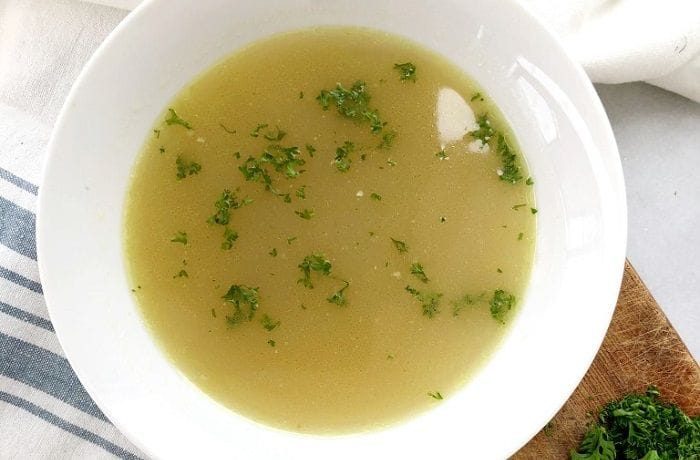
Sopa de locos is a Chilean abalone broth soup built from the cooking liquid left over after boiling locos (Concholepas concholepas), Chile’s prized marine gastropod. The broth is rich in natural iodine, minerals, and the deep, savory character of the mollusk, and it forms the base of a light soup finished with white wine, thin pasta, green onion, garlic, and a beaten egg drizzled in at the last moment. The result is ready in 35 minutes and serves four as a starter or light main course.
Locos are among the most regulated and valued shellfish in Chile. Their harvest is controlled by Subpesca (Chile’s National Fisheries Service) through seasonal closures that protect the species during its reproductive period. Because they are expensive and only intermittently available, making soup from the cooking broth — rather than discarding it — is both traditional and practical. The broth captures the full flavor of the mollusk and transforms an ingredient that would otherwise be wasted into a dish in its own right.
How to Make Sopa de Locos?
The soup starts with 2 liters of loco broth — the liquid saved from boiling fresh locos in their shells. This broth is the foundation of the dish and cannot be substituted without fundamentally changing the character of the soup. Green onion and garlic are sautéed in olive oil, white wine is added and reduced briefly, then the broth goes in and simmers for five minutes. Thin fideos pasta is added to thicken the soup slightly, and a beaten egg is drizzled in at the end to enrich the body and add a silky texture. Fresh cilantro and optional merkén finish the bowl.
Nutritional Information
Each serving provides approximately 150 calories, 10 g of carbohydrates (1 g sugars), 6 g of fat, 10 g of protein, 2 g of dietary fiber, and 50 mg of cholesterol. Sodium is notable at around 400 mg per serving — a natural consequence of the concentrated marine broth — so no additional salt is typically needed. The loco broth contributes iodine, zinc, iron, and vitamin B12 from the mollusk. The egg adds additional complete protein and fat-soluble vitamins.
Homemade Sopa de Locos Chilenos Recipe
Prep time: 20 minutes | Cook time: 15 minutes | Servings: 4
Ingredients
- 2 liters loco (abalone) broth, reserved from boiling fresh locos
- 240 ml dry white wine
- 2 tablespoons thin fideos pasta (angel hair or vermicelli broken into short pieces)
- 2 green onions (cebollines), finely chopped
- 1 clove garlic, minced
- 1 large egg
- Extra virgin olive oil
- Fresh cilantro, chopped
- Salt and black pepper to taste
- Merkén (Chilean smoked chili) to serve, optional
- Diced cooked loco meat, optional

Instructions
- Build the sofrito: Heat a drizzle of extra virgin olive oil in a medium pot over medium heat. Add the chopped green onions and minced garlic. Sauté, stirring occasionally, for about 5 minutes until softened and fragrant but not browned.
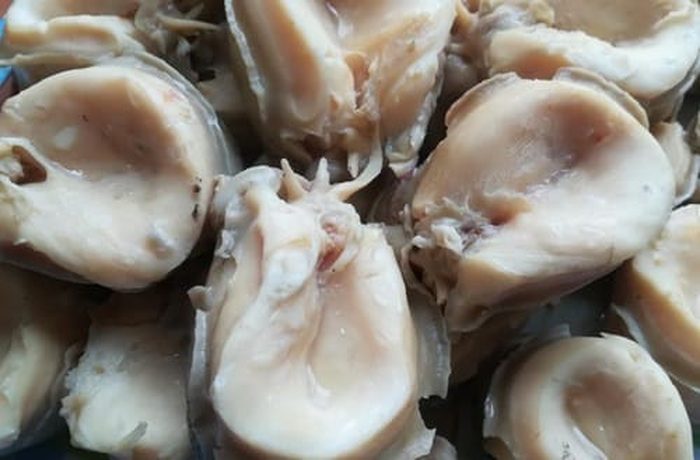
- Add the wine: Pour in the white wine and cook for 1 minute at medium heat, stirring, to allow the alcohol to evaporate and the wine to reduce slightly into the base.

- Add the broth: Pour in the 2 liters of loco broth. If using diced cooked loco meat, add it now. Season lightly with salt (taste first — the broth is already naturally salty) and black pepper. Bring to a gentle simmer and cook for 5 minutes.
- Add pasta and egg: Reduce the heat to the lowest setting. Add the fideos pasta and stir gently. Beat the egg in a small bowl until fully combined, then drizzle it slowly into the soup in a thin, steady stream while stirring in a circular motion — this creates fine, silky egg threads throughout the broth rather than scrambled clumps. Cover and rest off heat for 2 minutes to allow the pasta to finish cooking.

- Serve: Ladle the soup into bowls and top generously with freshly chopped cilantro. Add a pinch of merkén if desired. Serve immediately while hot.
Additional Tips
Concentrate the Broth for Deeper Flavor
Before adding the other ingredients, simmer the loco broth alone over medium-low heat for 10 to 15 minutes to reduce it by about 20%. This concentrates the marine flavor without adding any salt and creates a noticeably richer soup. If the broth is already very salty after reduction, skip any additional seasoning entirely.
How to Incorporate the Egg Without Clumping
The key to silky egg threads is temperature and motion. The soup must be at a gentle simmer — not a rolling boil — when you add the egg, and you must drizzle it in from a height of about 20 cm while stirring continuously. Pouring the egg in all at once, or adding it to boiling liquid, creates large clumps instead of fine threads. If the threads clump despite precautions, beat the egg more thoroughly beforehand and make sure the heat is truly at its lowest setting.
Storing and Freezing the Broth
Loco broth freezes well for up to three months. Pour the cooled broth into airtight containers or ice cube trays and freeze immediately after straining. Ice cubes of broth can be added directly to soups, risottos, or sauces from frozen. Do not refrigerate loco broth for more than 48 hours before using or freezing — marine broths deteriorate quickly.
| Ingredient | Substitution | Notes |
|---|---|---|
| Loco broth | Clam or mussel broth | Different flavor; use good-quality, unsalted fish stock if unavailable |
| Fideos pasta | Angel hair or orzo | Break into 2–3 cm pieces; add at the same low-heat stage |
| White wine | Dry vermouth or omit | Omitting produces a cleaner, more purely marine broth |
| Merkén (garnish) | Smoked paprika or chipotle flakes | Different heat profile; use sparingly as accent only |
Frequently Asked Questions (FAQs)
What is sopa de locos?
Sopa de locos is a traditional Chilean soup made from the broth produced when boiling locos (Concholepas concholepas), a large marine gastropod native to the Pacific coast of Chile. The broth is enriched with white wine, green onion, garlic, thin pasta, and a beaten egg, then served hot with fresh cilantro. It is both a way to use every part of the loco and a dish valued in its own right for its intense marine flavor.
What are locos in Chilean cooking?
Locos (Concholepas concholepas) are a species of large marine gastropod endemic to the coast of Chile and parts of Peru and Argentina. Despite the common name “Chilean abalone,” they are not true abalones (genus Haliotis) but belong to a different family. They are prized for their firm, dense, slightly sweet flesh and are typically boiled, tenderized by beating, and served with mayonnaise, in ceviches, chupe stews, or as in this recipe, with their broth used as a soup base.
Where can I get loco broth if I am outside Chile?
Loco broth is only produced when you cook fresh or frozen locos at home. Outside Chile, fresh locos are rarely available; frozen imported locos can be found in some Latin American specialty markets and online retailers. If locos are completely unavailable, a rich clam or mussel broth is the closest substitute, though the flavor profile will differ significantly from the original.
Why is sopa de locos high in sodium?
The sodium comes naturally from the marine broth rather than added salt. Seawater and the brine that shellfish absorb during their life cycle contribute substantial sodium to the cooking liquid. Reducing the broth or diluting it slightly with unsalted water before using can help manage the sodium level if needed.
Can I add the loco meat to the soup?
Yes. Diced cooked loco meat can be added to the simmering broth in step 3. Cut it into small cubes (about 1 cm) so it heats through quickly without overcooking. Loco meat that is boiled twice becomes tough, so limit the second cooking time to the 5-minute simmer stage and no longer.
What Is Sopa de Locos?
Sopa de locos is a soup built entirely around the philosophy of zero waste in Chilean coastal cooking. When locos are boiled to tenderize them before serving — a process that takes 30 to 45 minutes in simmering water — the cooking liquid becomes deeply flavored with the mineral, iodine-rich essence of the mollusk. Discarding this broth is unthinkable in traditional Chilean households: it is the foundation of a dish that stretches an expensive ingredient further while delivering concentrated flavor. The soup is light in texture despite its intense taste, and its short cooking time makes it a practical first course before the locos themselves are served as a main.
History of Sopa de Locos in Chile
The loco has been a central element of the Chilean coastal diet for thousands of years. Archaeological evidence from shell middens along the Chilean coastline shows that indigenous Mapuche and Changos coastal communities consumed locos extensively. Spanish colonial records from the seventeenth century document the trade of locos between the Chilean coast and Lima, and by the nineteenth century the species had become commercially exploited to the point of near depletion. Seasonal fishing restrictions (vedas) were introduced in the twentieth century by Subpesca to allow population recovery, and the loco remains under tight harvest regulation today. The practice of making soup from the cooking broth is likely as old as the practice of boiling the mollusk itself — a natural development in a cuisine that traditionally used every edible part of a catch.
Did You Know?
The loco (Concholepas concholepas) is sometimes marketed internationally as “Chilean abalone,” but it is actually a member of the family Muricidae — the same family as the murex sea snails historically used to produce Tyrian purple dye in the ancient Mediterranean. True abalones belong to the family Haliotidae and are a different genus entirely. The confusion arises because both have a single large muscular foot and a similar texture when cooked, and both are managed as luxury shellfish in their respective markets. Chile’s loco fishery is one of the most tightly regulated shellfish harvests in South America, with catch quotas, seasonal closures, and size limits all enforced to protect the population.