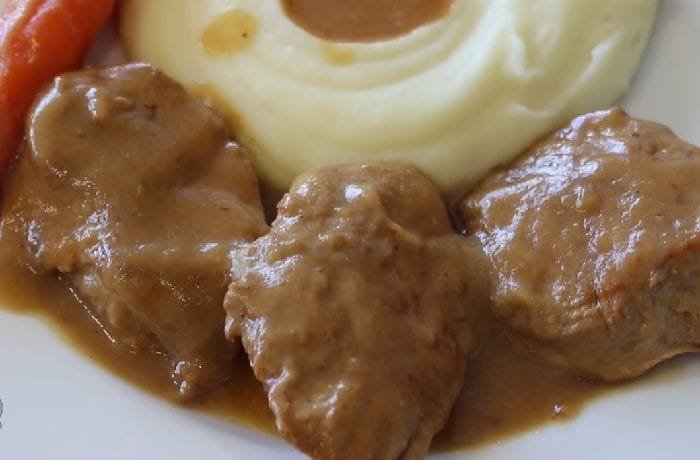
Chilean lomo de cerdo a la olla is a whole pork tenderloin seared in oil, then braised covered for about 30 minutes with a sofrito of onion, garlic, carrot, and red bell pepper, white wine, and bay leaves, sliced and returned to the sauce, and served over white rice. It takes 20 minutes of preparation plus 30 minutes of cooking and serves 4 people.
Also called solomillo a la cacerola, it is a simple, delicious home dish for any season.
How to Make Chilean Pot-Braised Pork Tenderloin?
Get a clean, whole pork tenderloin, sear it in oil, and then cook it on a sofrito of onion, garlic, and bell pepper. Low heat and a covered pot keep this lean cut juicy.
Nutritional Information
Each serving of pot-braised pork tenderloin contains approximately 350 kcal, 10 g of carbohydrates, 15 g of fat, 40 g of protein, 3 g of fiber, 5 g of sugars, 100 mg of cholesterol, and 500 mg of sodium. These values are estimates and may vary depending on ingredients and portion sizes.
Homemade Chilean Lomo de Cerdo a la Olla Recipe
Preparation: 20 minutes
Cooking: 30 minutes
Servings: 4 people
Ingredients
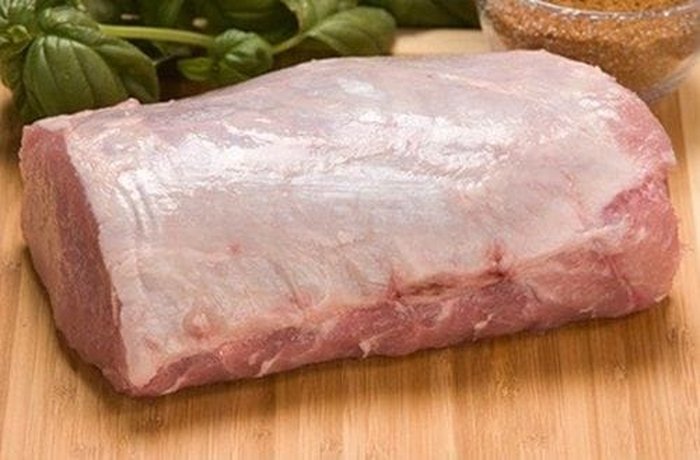
- 1 kg (2.2 lb) of pork tenderloin
- 100 ml (1/3 cup + 1 tablespoon) of white wine
- 2 onions
- 2 cloves of garlic
- 2 carrots
- 2 bay leaves
- 1/2 red bell pepper
- Oil
- Fine salt
- Black pepper
Instructions
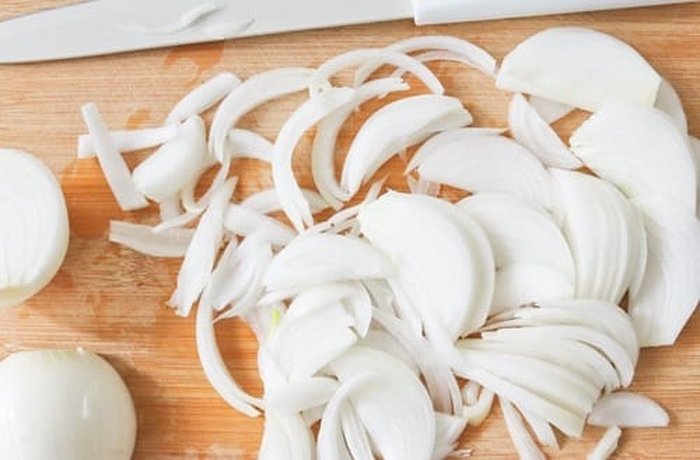
- Chop all the vegetables into small pieces. Heat a splash of oil in a large pot over high heat, add the tenderloin, and brown it on all sides to sear. Remove and set aside. Add the chopped onions, garlic, carrots, and bell pepper and sauté over medium heat.
- Stirring with a wooden spoon, add the white wine and bay leaves, bring to a boil, and return the tenderloin to the pot. Cover and cook over low heat for about 30 minutes, turning it a couple of times so it cooks evenly.

- Once the sauce has reduced, remove the tenderloin and slice it into rounds. Return the slices to the pot and heat for a few more minutes. Remove the bay leaves and serve over white rice, with a glass of wine if you like.
Additional Tips
Deglaze the pot
After removing the pork, add a splash of vegetable or chicken stock to the hot pot to lift the caramelized juices and make a richer sauce.
Do not overcook
Pork tenderloin is very lean; more than 30 to 35 minutes for a kilo dries it out.
Thicken the sauce
If the sauce is thin, remove the meat and boil uncovered over high heat for about 5 minutes.
| Original ingredient | Substitute | Ratio | Flavor note |
|---|---|---|---|
| White wine | Red wine | 1:1 | Darker, heavier sauce |
| Pork tenderloin | Boneless pork loin | 1:1 | Needs 10 to 15 minutes more |
| Pot | Pressure cooker | 15 minutes | Much faster |
| White rice | Rustic mashed potatoes | Heartier side |
Frequently Asked Questions (FAQs)
1. Why does pork tenderloin often turn out dry?
It is very lean. Cooking it longer than 30 to 35 minutes per kilo makes the fibers contract and push out the juices, so cook it covered over low heat.
2. Can I use red wine instead of white?
You can, but white wine’s acidity balances the sweetness of the pork, while red wine gives a darker, heavier sauce.
3. Can I make it in a pressure cooker?
Yes. After searing and making the sofrito, it needs only about 15 minutes once the cooker reaches pressure.
4. What else can I serve it with?
Rustic mashed potatoes or sautéed vegetables are great alternatives to rice.
What Is Lomo de Cerdo a la Olla?
Lomo de cerdo a la olla is Chilean pot-braised pork tenderloin, seared and cooked in a covered pot with vegetables and white wine, then sliced into medallions.
Benefits of Pork
Pork is a good source of high-quality protein, iron, and zinc, and of B vitamins such as B6, B12, thiamine, niacin, and riboflavin.
Did You Know?
The pork tenderloin is a long, cylindrical, lean muscle that runs along the backbone beneath the ribs, which makes it ideal for lighter preparations.