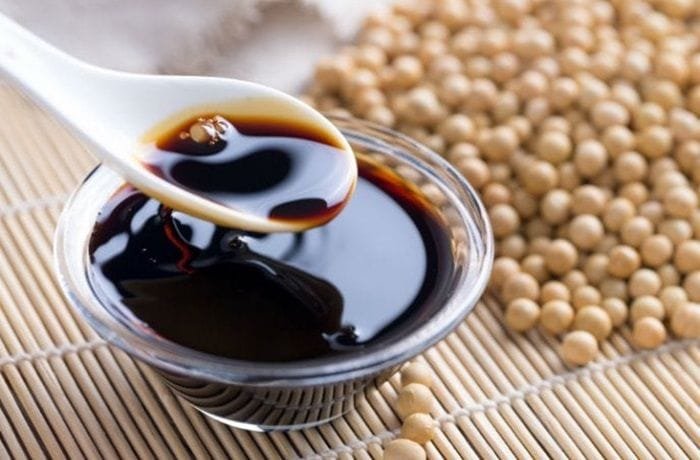
Homemade fermented soy sauce is made by cooking soaked soybeans, mixing them with toasted wheat flour and koji starter (Aspergillus oryzae), letting the mixture grow mold for 48 hours in a warm place, then fermenting it in salt brine for 6 months before straining and aging the liquid for one more month. It takes 30 minutes of active work and about 7 months in total, and makes about 1 liter.
An ancient condiment of Asian cooking with an intense umami flavor, here in a simplified home version that respects the basic principles.
How to Make Fermented Soy Sauce?
Soy sauce is made by fermenting soybeans, toasted wheat, salt, and water with a koji starter in a process that takes at least 6 months.
Nutritional Information
Each 15 ml serving of fermented soy sauce contains approximately 10 kcal, 1 g of protein, 0 g of fat, 0 mg of cholesterol, 1 g of carbohydrates, 0 g of sugars, and 900 mg of sodium. These values are estimates and may vary depending on ingredients and portion sizes.
Homemade Fermented Soy Sauce Recipe
Preparation: 30 minutes (plus 6 months fermenting)
Cooking: 2 hours
Servings: 60 servings of 15 ml (1 liter)
Ingredients
- 500 g of dried soybeans
- 500 g of wheat flour
- 3 liters of filtered water
- 250 g of salt
- 1 tablespoon of koji starter

Instructions
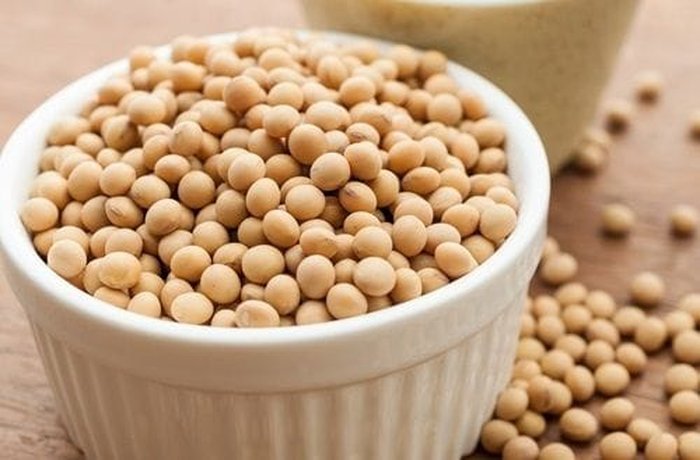
- Soak the soybeans in water for 12 hours, then cook over medium heat for 2 hours until soft. In a dry skillet, toast the flour until lightly golden. Let the soybeans cool and mix them with the toasted flour and the koji.
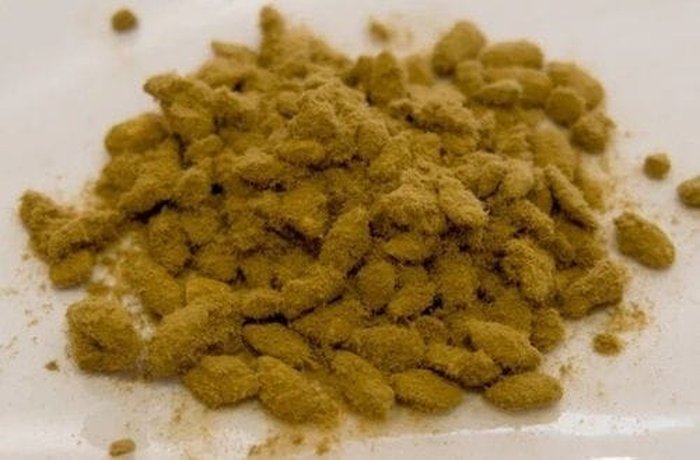
- Spread the mixture on a tray and cover with a damp cloth. Leave it in a warm place (25 to 30°C, 77 to 86°F) for 48 hours until a white mold appears. Dissolve the salt in 2 liters of filtered water, place the fermented mixture in a large jar, and cover it with the brine.
- Ferment for 6 months, stirring occasionally and keeping the mixture covered with liquid. Then strain the liquid and age it in an airtight jar for one more month before using.
Additional Tips
Avoid chlorinated water
Chlorine inhibits the koji microorganisms, so use filtered or boiled and cooled water.
Skip metal tools
Use wood, glass, or plastic to stir and handle the mixture, since prolonged contact with metal can affect flavor and fermentation.
Keep it submerged
The solids must always stay under the brine to avoid unwanted mold.
| Original ingredient | Substitute | Ratio | Flavor note |
|---|---|---|---|
| Wheat flour | Cracked toasted wheat | 500 g | More traditional |
| Fine salt | Sea salt without additives | 250 g | Cleaner flavor |
| 6 months | 12 months | Longer aging | Deeper flavor |
| Homemade | Store bought low sodium soy sauce | To taste | Instant |
Frequently Asked Questions (FAQs)
1. What is koji?
Koji is rice or grain inoculated with the mold Aspergillus oryzae, the starter used to ferment soy sauce, miso, and sake.
2. Why does it take so long?
The slow fermentation breaks down soy and wheat proteins and starches into the amino acids and sugars that give soy sauce its umami flavor.
3. How do I store homemade soy sauce?
In a clean, airtight glass bottle in a cool place or the fridge once it has aged.
History of Soy Sauce
Soy sauce originated in China more than 2,500 years ago as a way to stretch salt. Its fermentation technique was refined during the Tang dynasty (618 to 907 AD) and spread to Japan and Korea, where varieties such as shoyu and tamari developed.
Did You Know?
Umami, the savory taste of soy sauce, was identified by the Japanese scientist Kikunae Ikeda in 1908 and is one of the five basic tastes.
How to adapt this recipe to a vegan or vegetarian version?
How to adapt this recipe to a gluten-free version?
How to adapt this recipe to a keto (ketogenic) version?
Recommended
- Homemade Low Sodium Soy Sauce Recipe
- Asian Style Marinated Tofu Recipe
- Homemade Teriyaki Sauce Recipe
- Homemade Sweet and Sour Sauce Recipe