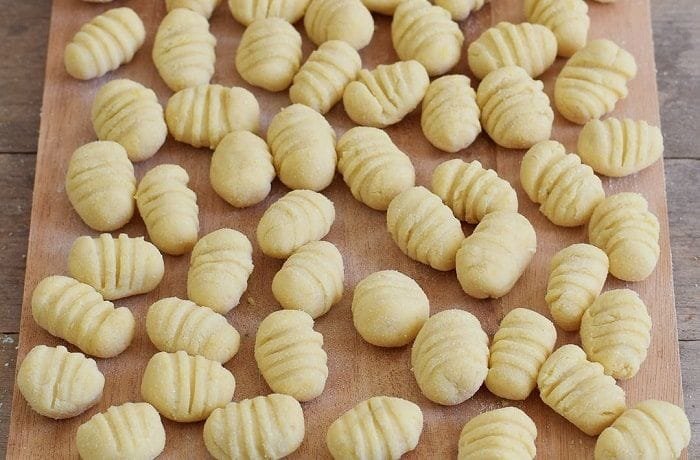
Potato gnocchi, or ñoquis de papas, are made by boiling 1 kg of unpeeled potatoes for about 20 minutes, peeling and mashing them, mixing in 1 egg, salt, a pinch of nutmeg, and about 180 g of flour into a soft dough, rolling it into 1.5 cm (1/2 inch) ropes, cutting 2 cm (3/4 inch) pieces, marking them with a fork, and boiling them until they float. They take 60 minutes of preparation plus 20 minutes of cooking and serve 4 people.
This classic Italian recipe is a family favorite in Chile, and the basic dough welcomes many variations in flavor, color, and texture.
How to Make Potato Gnocchi?
Boil the potatoes in their skins so they do not absorb too much water; drier potatoes need less flour and make lighter gnocchi.
Nutritional Information
Each serving of potato gnocchi contains approximately 300 kcal, 60 g of carbohydrates, 2 g of fat, 7 g of protein, 3 g of fiber, 2 g of sugars, 35 mg of cholesterol, and 150 mg of sodium. These values are estimates and may vary depending on ingredients and portion sizes.
Homemade Potato Gnocchi Recipe
Preparation: 60 minutes
Cooking: 20 minutes
Servings: 4 people
Ingredients
- 1 kg (2.2 lb) of potatoes
- 200 g (1 2/3 cups) of all-purpose flour
- 1 large egg
- Nutmeg
- Fine salt
Instructions
- Choose potatoes of similar size and wash them well. Place them in a large pot, cover with cold water, bring to a boil, and cook for about 20 minutes, until tender. Drain, let cool slightly, and peel carefully.
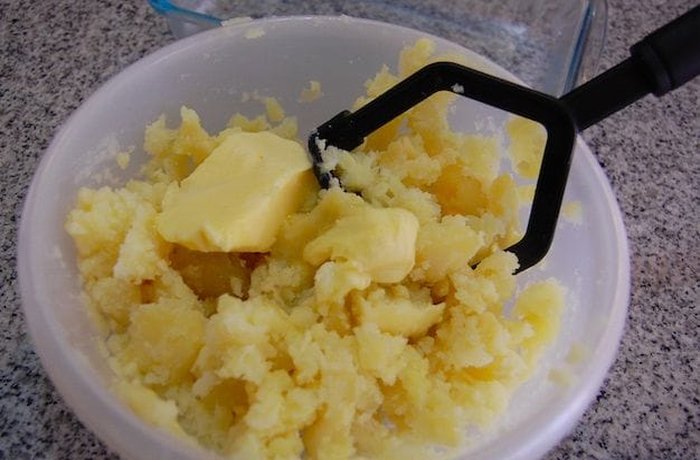
- Mash the potatoes with a fork or ricer, make a well in the center, and add the egg, a little salt, an optional pinch of nutmeg, and 180 g of the flour. Mix into a smooth dough that does not stick to your fingers, shape into a ball, and rest covered for about 10 minutes.
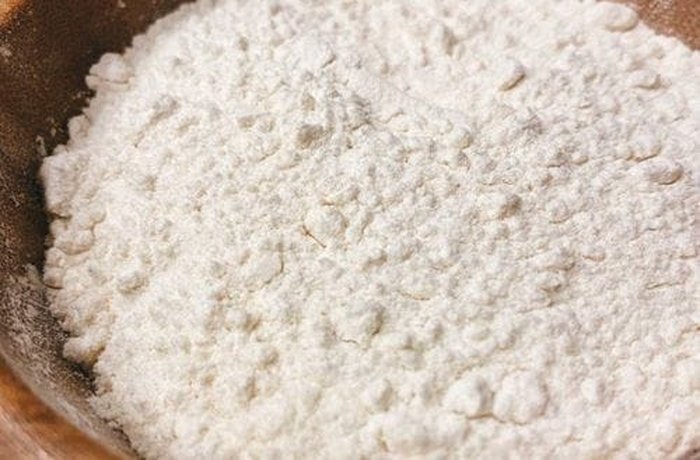
- On a floured surface, roll a piece of dough with your palms into a rope 1.5 cm (1/2 inch) thick and cut it into 2 cm (3/4 inch) pieces. Repeat with the rest of the dough and dust with the remaining flour.
- Shape the gnocchi with a gnocchi board or by rolling each piece over the tines of a fork. In a large pot, bring about 3 liters of water to a boil and add the gnocchi in batches so they do not stick together.
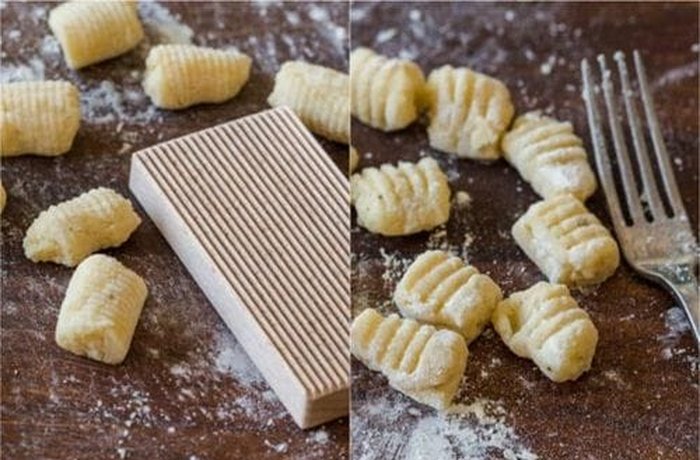
- Cook until they float, lift them out with a slotted spoon, and repeat with the rest. Serve right away with Bolognese sauce or fresh pesto.
Additional Tips
Use floury potatoes
Russet or older floury potatoes hold less water, so the dough needs less flour and the gnocchi are lighter.
Mash while warm
Warm potatoes mash smoothly and absorb the flour evenly.
Do not overwork the dough
Knead only until smooth; too much kneading makes the gnocchi tough.
| Original ingredient | Substitute | Ratio | Flavor note |
|---|---|---|---|
| All-purpose flour | Half semolina | 1:1 | Firmer |
| Egg | No egg | Softer, more delicate | |
| Potatoes | Sweet potatoes | 1:1 | Sweeter, needs more flour |
| Bolognese | Butter and sage | To taste | Lighter |
Frequently Asked Questions (FAQs)
1. Why do my gnocchi fall apart?
The dough is too wet or has too little flour. Boil the potatoes in their skins and drain them well before mashing.
2. Can I freeze gnocchi?
Yes, freeze them spaced apart on a floured tray, then bag them; cook straight from frozen.
3. Which flour is best?
All-purpose flour works well; some cooks mix in semolina for a firmer bite.
4. Which sauce goes best?
Pesto, Bolognese, butter and sage, four cheese, or a simple homemade tomato sauce.
What Are Ñoquis?
Ñoquis are the Spanish name for Italian gnocchi, small potato and flour dumplings boiled and served with sauce.
History of Gnocchi
Dumplings of flour or bread existed in Italy long before potatoes arrived from South America; potato gnocchi became widespread in the 19th century.
Did You Know?
In Argentina and Uruguay, many families eat ñoquis on the 29th of each month, a custom brought by Italian immigrants.
How to adapt this recipe to a vegan or vegetarian version?
How to adapt this recipe to a gluten-free version?
How to adapt this recipe to a keto (ketogenic) version?
Recommended
- Chilean Chestnut Gnocchi
- Tortilla de Papas
- Chilean Spicy Mashed Potatoes
- Chilean Pasta with Jack Mackerel