Archive

September 2026

Browsing

Versión en Español Malta con licor de cacao is a Chilean drink from the country’s university bar culture, made by layering sweet dark malt soda with cocoa liqueur and a spoonful of condensed milk. It’s ready in about 10 minutes and pours into two tall, chilled glasses. The drink dates back to the second half of the 20th century, when it became a fixture of soda fountains and taverns near university campuses in Santiago, Valparaiso,…

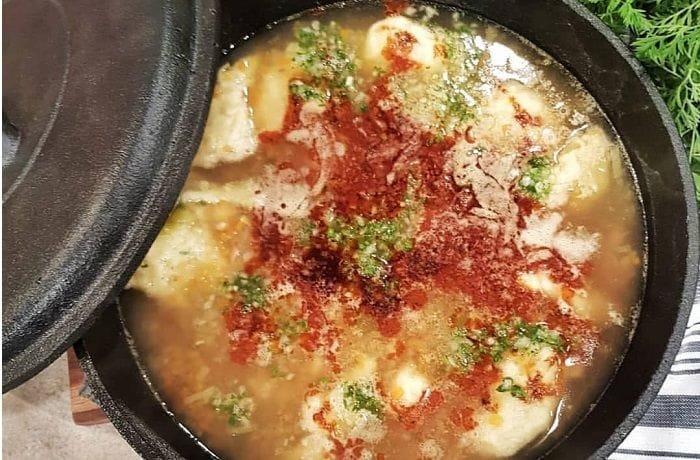
Versión en Español Concones are toasted flour dumplings kneaded with egg, grated carrot, garlic, and parsley, then cooked directly in a pork lard broth seasoned with chili paste, merkén, cilantro, and celery. They’re the most iconic farmhouse soup of the Cautin province in Araucania. Unlike machos ahogados, another rustic Chilean dumpling soup, concones are made from toasted rather than raw flour, which gives the broth a darker, earthier flavor. Nutritional Information Each serving of concones…

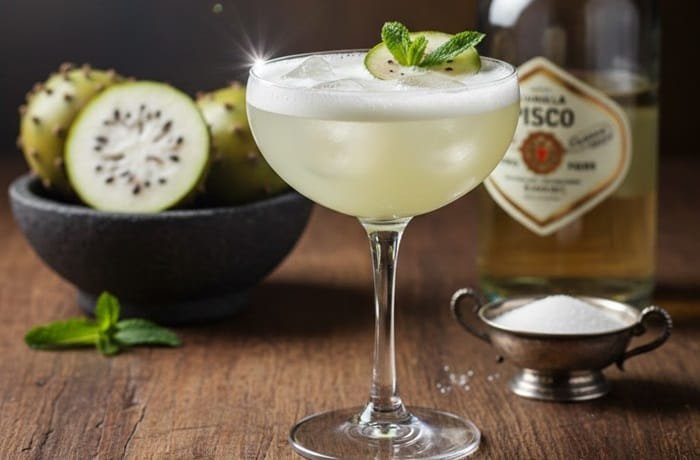
Versión en Español Copao sour is a Chilean cocktail made by blending the pulp of the copao, the fruit of a wild cactus native to Chile’s Atacama Desert, with pisco, sugar and ice. It takes about 15 minutes to prepare and yields four chilled glasses with a tangy, lightly sweet desert flavor. The copao (Eulychnia acida) grows on a tall, branching cactus found only between Copiapó and Illapel, on the arid coastal and inland hills…

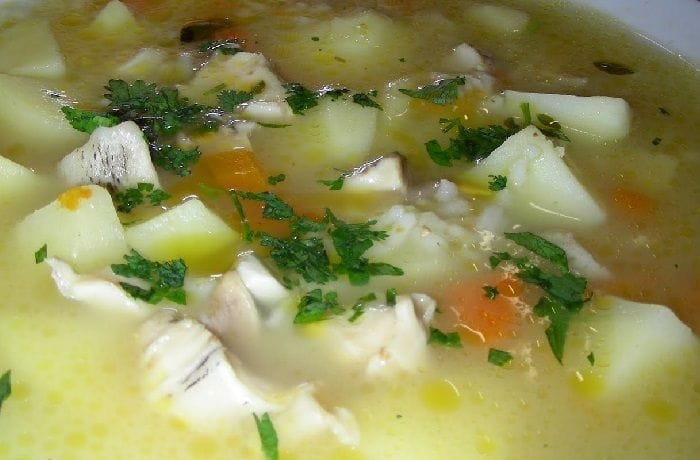
Versión en Español Loco carbonada is a variation on the well-known traditional carbonada, made instead with tender locos (Chilean abalone) that give it a new flavor profile, though it still carries the signature taste of Chilean seafood. Nutritional Information Each serving of loco carbonada contains approximately 300 kcal, 45 g of carbohydrates, 7 g of fat, 18 g of protein, 4 g of fiber, 3 g of sugars, 50 mg of cholesterol, and 300 mg…

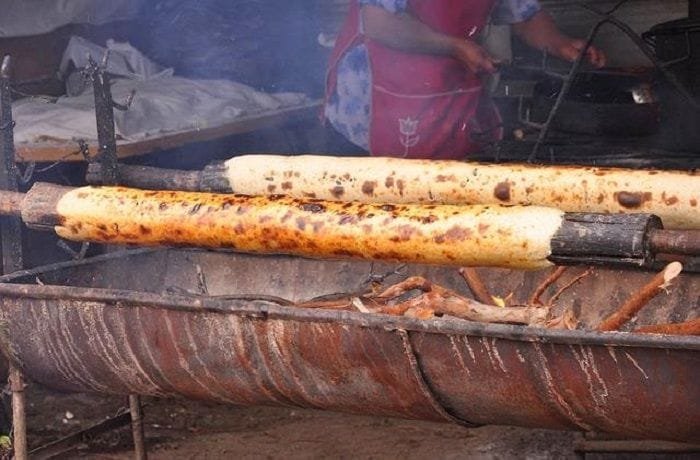
Versión en Español Chochoca negra from Chiloé, also called chochoyeco, trotroyeco, or trutru, is a bread made from grated and drained Chilote potatoes that’s shaped around a wooden skewer and cooked directly over an open fire. It’s a Huilliche dish made for festivities and traditional celebrations across the Chiloé archipelago. Nutritional Information Each serving of chochoca negra contains approximately 450 kcal, 30 g of carbohydrates, 32 g of fat, 8 g of protein, 4 g…

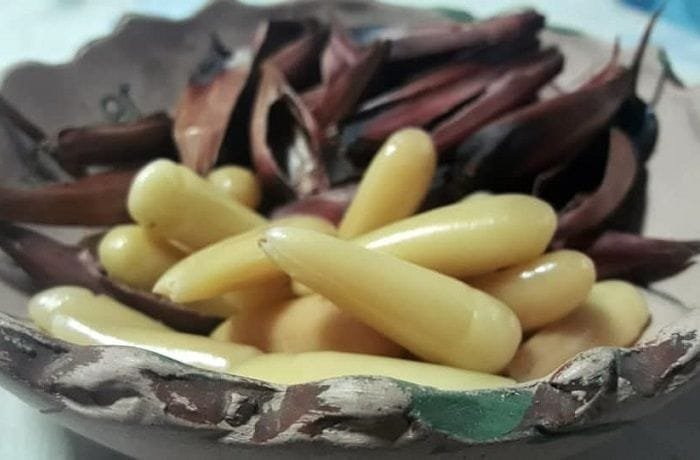
Versión en Español Pine nuts in syrup are a sweet, modern preparation from southern Chilean cooking. The araucaria tree’s seeds are boiled until tender, peeled, and simmered in a thick syrup made with ulmo honey. Nutritional Information Each serving of pine nuts in honey syrup contains approximately 320 kcal, 68 g of carbohydrates, 3 g of fat, 3 g of protein, 4 g of fiber, 60 g of sugars, 0 mg of cholesterol, and 5…

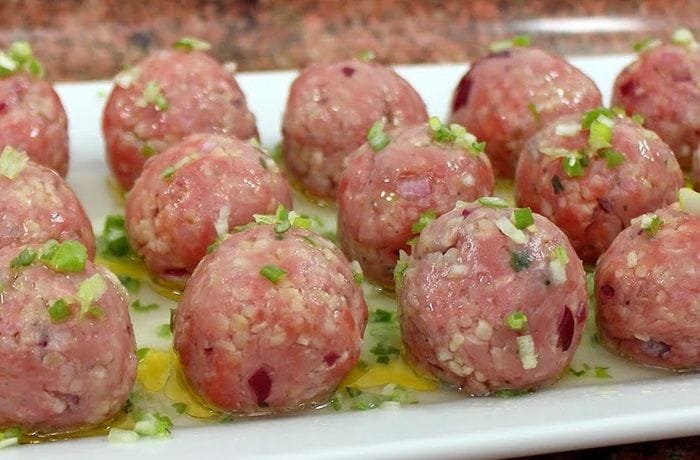
Versión en Español Kibbeh nayyeh is a delicate dish from the Middle East, especially popular in Lebanon, Syria, and Palestine, and it calls for real care since it’s made with raw meat, but when prepared correctly it’s a truly unique dish. Nutritional Information Each serving of kibbeh nayyeh contains approximately 300 kcal, 20 g of protein, 18 g of total fat (7 g saturated fat), 70 mg of cholesterol, 15 g of carbohydrates, 2 g…

Versión en Español Culen ponche is a Chilean drink made from a medicinal herb that grows between the country’s IV and X regions, traditionally used to soothe digestion, and it’s most closely associated with the central valley. Nutritional Information Each serving of culen ponche contains approximately 175 kcal, 30 g of carbohydrates, 0 g of fat, 0 g of protein, 0 g of fiber, 30 g of sugars, 0 mg of cholesterol, and 10 mg…

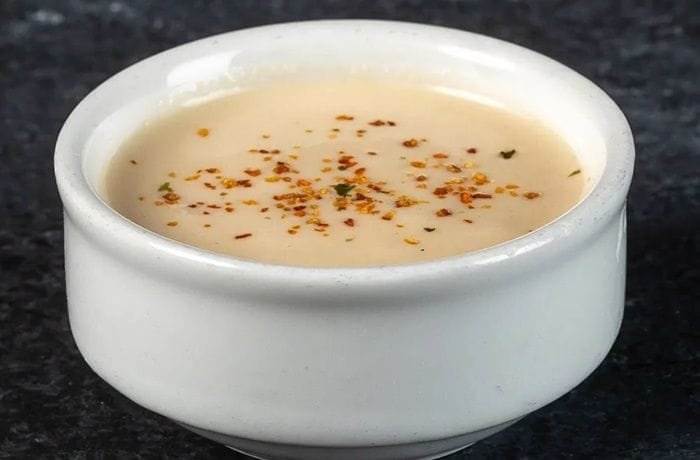
Versión en Español Acevichada sauce is a delicious, versatile blend that combines fresh, spiced flavors, perfect alongside fish, shellfish, chicken, or even as a salad dressing, a genuinely tasty fusion of textures and flavors. Nutritional Information Each serving of acevichada sauce contains approximately 75 kcal, 3 g of carbohydrates, 6 g of fat, 2 g of protein, 1 g of fiber, 1 g of sugars, 25 mg of cholesterol, and 500 mg of sodium. (*)…

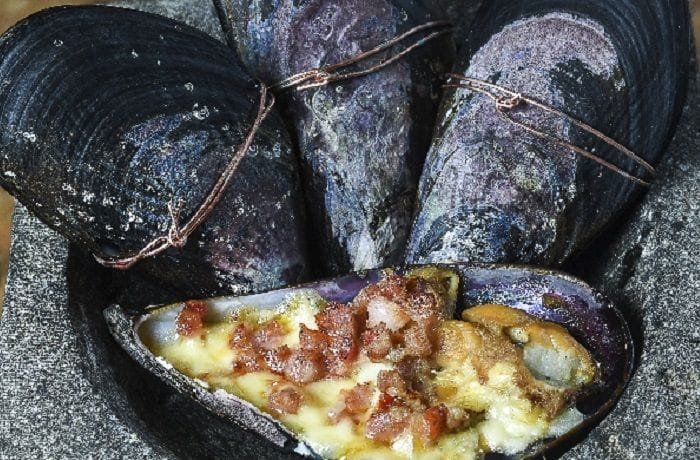
Versión en Español Choritos al alicate is a distinctive way of cooking mussels in which a pair of pliers becomes an actual kitchen tool, used to seal the shells shut with wire. Each mussel is stuffed with a bit of sausage and cheese, wired closed, and baked, so the shell traps every drop of juice inside until it’s cracked open at the table. Nutritional Information Each serving of choritos al alicate contains approximately 350 kcal,…