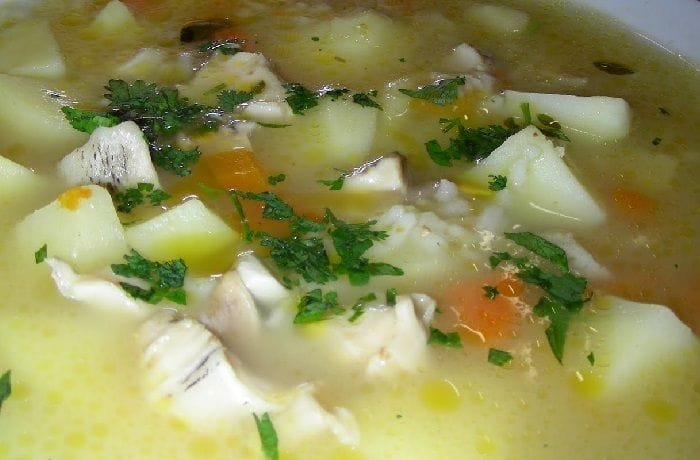
Loco carbonada is a variation on the well-known traditional carbonada, made instead with tender locos (Chilean abalone) that give it a new flavor profile, though it still carries the signature taste of Chilean seafood.
Nutritional Information
Each serving of loco carbonada contains approximately 300 kcal, 45 g of carbohydrates, 7 g of fat, 18 g of protein, 4 g of fiber, 3 g of sugars, 50 mg of cholesterol, and 300 mg of sodium. (*)
(*) Values may vary depending on ingredients and portion sizes.
How to Make Loco Carbonada?
Loco carbonada is a Chilean stew that swaps traditional meat for tender locos. It combines these mollusks with potatoes, carrots, and rice in a flavorful broth.
Prep time: 45 minutes
Cook time: 75 minutes
Servings: 4 people
Ingredients
- 600 g tenderized locos
- 5 firm potatoes
- 2 carrots
- 1 garlic clove
- 1 teaspoon oregano
- 1 tablespoon rice
- ½ onion
- ¼ teaspoon cumin
- ¼ teaspoon ground chili (aí color)
- Fresh chopped parsley
- Oil for frying
- Fine sea salt
- Black pepper
Instructions
- In a large pot, gather the previously tenderized and washed locos, cover completely with cold water, allowing about 2 extra centimeters above them, heat over high heat, bring to a boil, and cook for about 45 minutes.
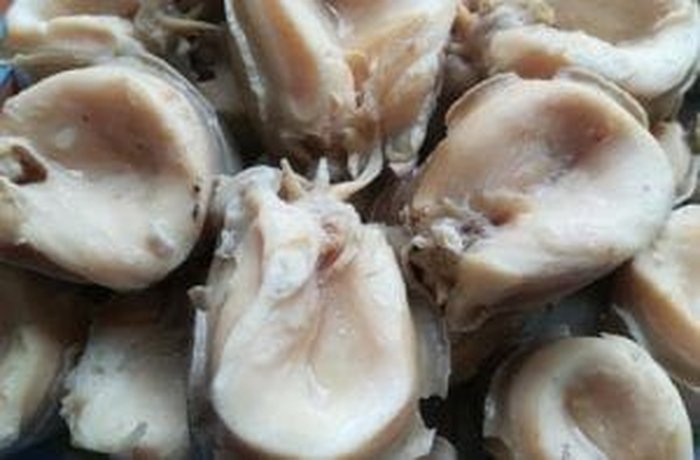
- Turn off the heat, remove the locos, and set the cooking broth aside separately. In a second large, clean pot, add two tablespoons of oil and heat over medium heat; add the diced onion and sauté until it starts to turn translucent.
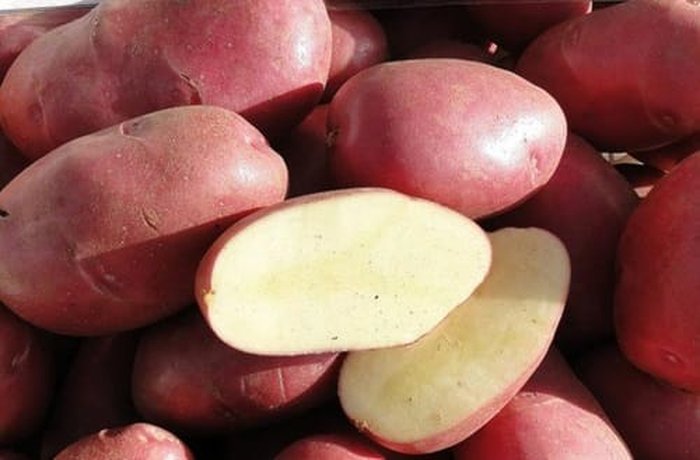
- Add the finely chopped garlic, carrots, and potatoes cut into equal-sized cubes, and cook for a couple more minutes. Add the loco broth and the locos cut into medium pieces, along with the rice, oregano, cumin, ground chili, and salt and pepper to taste.

- Add a bit more boiling water until everything is covered and cook over medium-high heat for about 10 minutes, until the potatoes and carrots are tender; remove from heat and keep covered. Serve the loco carbonada right away in wide, deep bowls, sprinkled with fresh chopped parsley and optionally paired with a glass of white wine.
Expert Preparation Tips
Before adding the chopped locos to the final stew, quickly sauté them in a pan with a little hot oil and chopped garlic. This “seals” the flavor and gives them a springier, tastier texture than if they were only simmered. If you prefer a heartier carbonada, mash a couple of cooked potato cubes against the sides of the pot with a wooden spoon. The potato’s natural starch will release into the broth, thickening it without needing any flour.
| Substitution | Use instead of | Effect |
|---|---|---|
| Frozen, thawed locos | Fresh locos | Same result if fully tenderized first |
| Cornstarch slurry | Mashed potato thickening | Faster thickening, less body |
| Squash or green beans | Extra vegetables | Adds seasonal variety and fiber |
| Fried or hard-boiled egg | No egg | Richer, more traditional finish |
Frequently Asked Questions (FAQs)
1. What are locos, and what do they taste like?
Locos are Chilean sea mollusks, similar to abalone. They have a firm texture and an intense oceanic flavor. Their taste is unique and gives carbonada its distinctive character.
2. Can I use frozen locos?
Yes, frozen locos work fine. Make sure they’ve been tenderized beforehand. To cook them, thaw completely and follow the same recipe process.
3. What do I do if the carbonada turns out too watery?
To thicken the carbonada, mash some of the potatoes and carrots against the side of the pot. The released starch will naturally thicken the stew. You can also use a tablespoon of cornstarch dissolved in cold water.
4. What other ingredients can I add to carbonada?
You can enrich loco carbonada with other vegetables like squash, green beans, or corn. A fried or hard-boiled egg can also be added when serving.
How to Tenderize Locos?
Loco Harvesting and Closed Season
Loco harvesting in Chile is strictly regulated by SERNAPESCA, which sets extraction quotas, minimum sizes, and other measures aimed at conserving the species. Locos are mainly harvested through small-scale artisanal fishing, where divers use free diving to collect them.
Did You Know?
Chilean locos (C. concholepas), also known as tolina, pata de burro, or chanques, are a species of sea snail from the Muricidae family that lives along the coast of Chile, especially in the central and southern regions.
How to adapt this recipe to a vegan or vegetarian version?
How to adapt this recipe to a gluten-free version?
How to adapt this recipe to a keto (ketogenic) version?
Recommended
- Chilean Locos Abalone Soup
- Chilean Lemon and Abalone Risotto
- Chilean Loco (Abalone) Empanadas
- Chilean Loco (Abalone) Chupe