Versión en Español Loco carbonada is a variation on the well-known traditional carbonada, made instead with tender locos (Chilean abalone) that give it a new flavor profile, though it still carries the signature taste of Chilean seafood. Nutritional Information Each serving of loco carbonada contains approximately 300 kcal, 45 g of carbohydrates, 7 g of fat, 18 g of protein, 4 g of fiber, 3 g of sugars, 50 mg of cholesterol, and 300 mg…
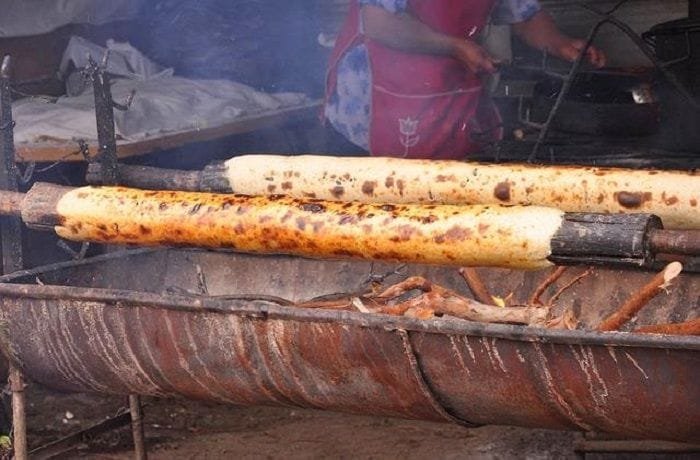
Versión en Español Chochoca negra from Chiloé, also called chochoyeco, trotroyeco, or trutru, is a bread made from grated and drained Chilote potatoes that’s shaped around a wooden skewer and cooked directly over an open fire. It’s a Huilliche dish made for festivities and traditional celebrations across the Chiloé archipelago. Nutritional Information Each serving of chochoca negra contains approximately 450 kcal, 30 g of carbohydrates, 32 g of fat, 8 g of protein, 4 g…
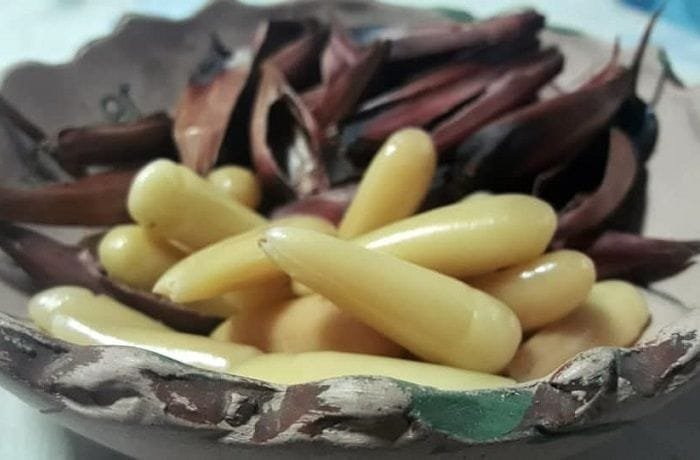
Versión en Español Pine nuts in syrup are a sweet, modern preparation from southern Chilean cooking. The araucaria tree’s seeds are boiled until tender, peeled, and simmered in a thick syrup made with ulmo honey. Nutritional Information Each serving of pine nuts in honey syrup contains approximately 320 kcal, 68 g of carbohydrates, 3 g of fat, 3 g of protein, 4 g of fiber, 60 g of sugars, 0 mg of cholesterol, and 5…
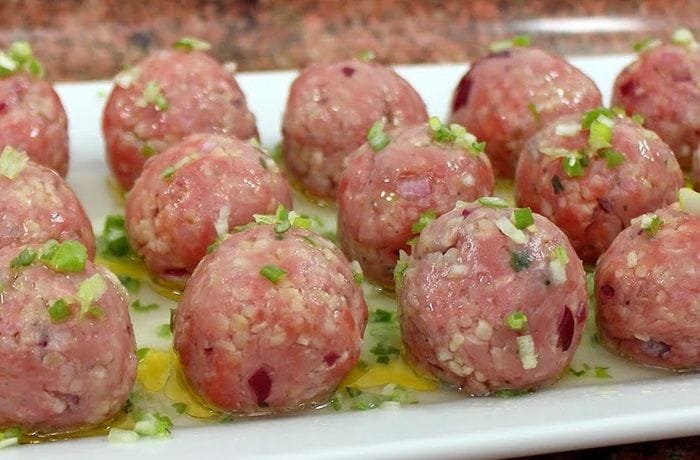
Versión en Español Kibbeh nayyeh is a delicate dish from the Middle East, especially popular in Lebanon, Syria, and Palestine, and it calls for real care since it’s made with raw meat, but when prepared correctly it’s a truly unique dish. Nutritional Information Each serving of kibbeh nayyeh contains approximately 300 kcal, 20 g of protein, 18 g of total fat (7 g saturated fat), 70 mg of cholesterol, 15 g of carbohydrates, 2 g…
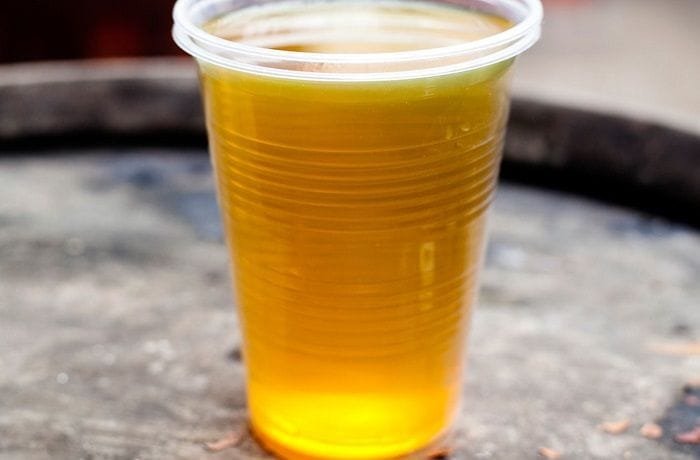
Versión en Español Culen ponche is a Chilean drink made from a medicinal herb that grows between the country’s IV and X regions, traditionally used to soothe digestion, and it’s most closely associated with the central valley. Nutritional Information Each serving of culen ponche contains approximately 175 kcal, 30 g of carbohydrates, 0 g of fat, 0 g of protein, 0 g of fiber, 30 g of sugars, 0 mg of cholesterol, and 10 mg…
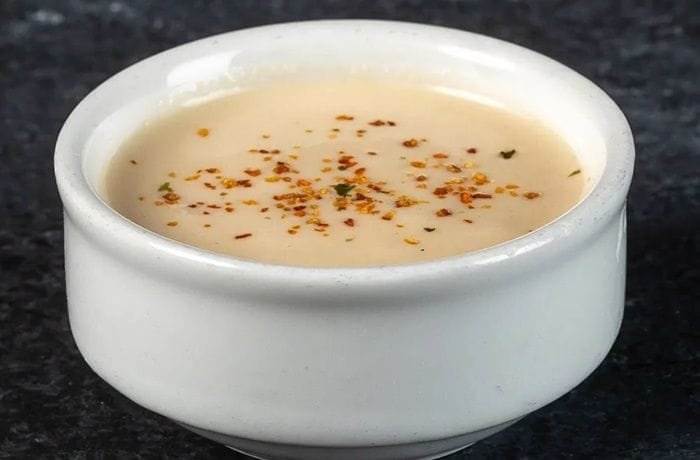
Versión en Español Acevichada sauce is a delicious, versatile blend that combines fresh, spiced flavors, perfect alongside fish, shellfish, chicken, or even as a salad dressing, a genuinely tasty fusion of textures and flavors. Nutritional Information Each serving of acevichada sauce contains approximately 75 kcal, 3 g of carbohydrates, 6 g of fat, 2 g of protein, 1 g of fiber, 1 g of sugars, 25 mg of cholesterol, and 500 mg of sodium. (*)…
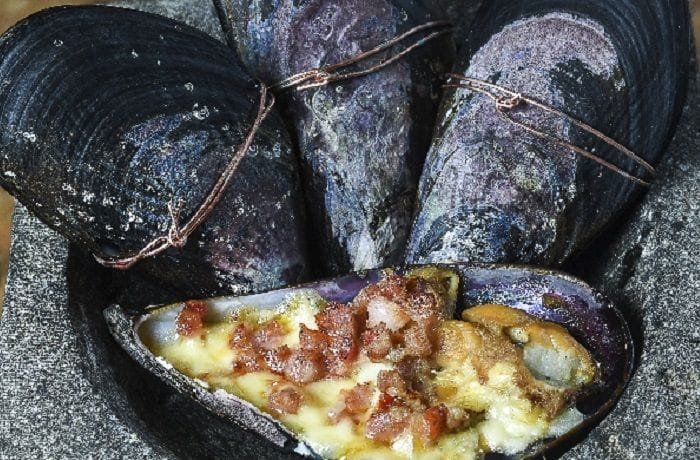
Versión en Español Choritos al alicate is a distinctive way of cooking mussels in which a pair of pliers becomes an actual kitchen tool, used to seal the shells shut with wire. Each mussel is stuffed with a bit of sausage and cheese, wired closed, and baked, so the shell traps every drop of juice inside until it’s cracked open at the table. Nutritional Information Each serving of choritos al alicate contains approximately 350 kcal,…
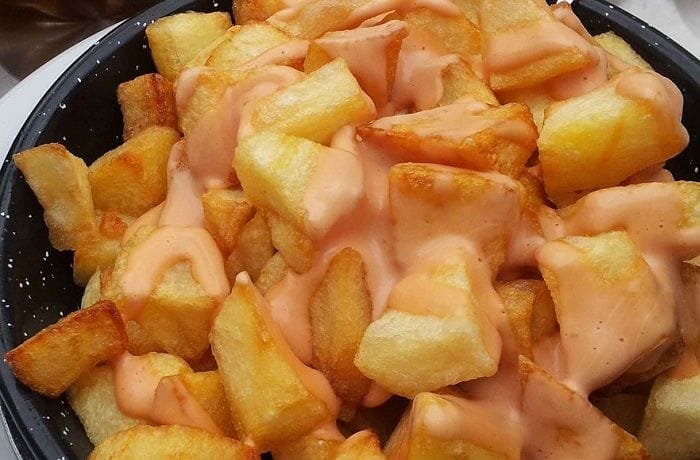
Versión en Español Papas bravas is a dish that originated in Spain and became hugely popular across the Americas, with each country developing its own version of the spicy brava sauce. This Chilean take swaps the classic cayenne heat for merkén, the country’s most iconic smoky chili seasoning, folded into a rich, creamy sauce. Nutritional Information Each serving of papas bravas al merkén contains approximately 450 kcal, 40 g of carbohydrates, 30 g of fat,…
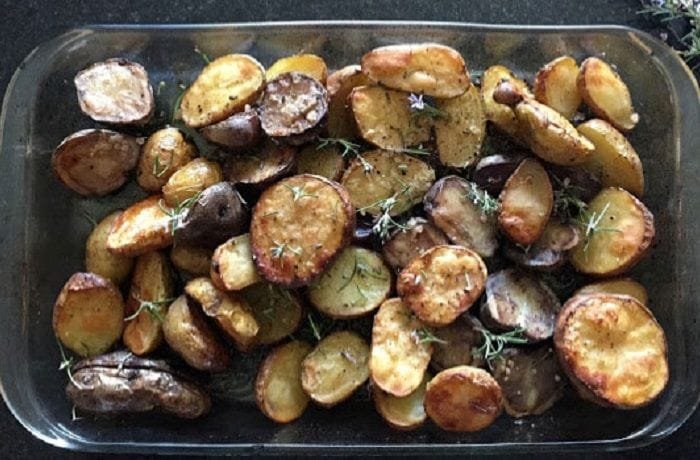
Versión en Español Papas chilotas al romero are a rustic, crispy side dish full of character. Native potatoes are washed, halved with the skin left on, and roasted at high heat until the outside turns crackling and golden while the inside stays soft. They stand out for their striking mix of colors on the table, a crunchy exterior, and a tender center, perfect as a snack or paired with meat and fish. Nutritional Information Each…
Versión en Español Murtado (also called murtao) is without a doubt one of Chile’s most traditional homemade liqueurs. It’s made by macerating fresh murtilla berries in aguardiente for several days, then balancing the mix with a simple sugar syrup. The result is a deep red, lightly sweet bajativo that’s usually sipped in small glasses after a meal. Nutritional Information Each serving of murtado contains approximately 190 kcal, 0 g of protein, 0 g of fat,…