
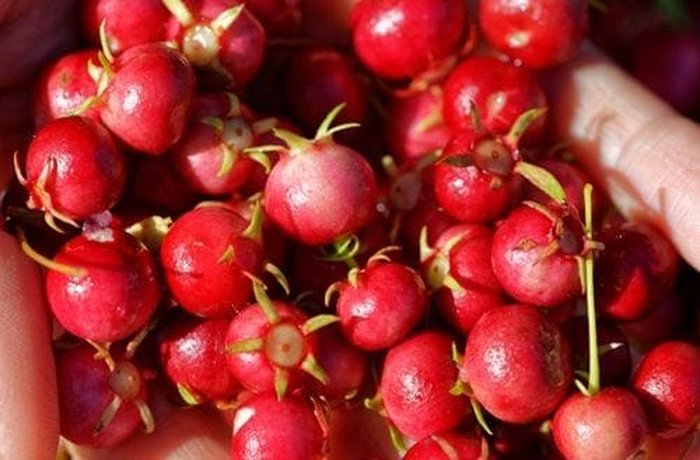
Murtado (also called murtao) is without a doubt one of Chile’s most traditional homemade liqueurs. It’s made by macerating fresh murtilla berries in aguardiente for several days, then balancing the mix with a simple sugar syrup. The result is a deep red, lightly sweet bajativo that’s usually sipped in small glasses after a meal.
Nutritional Information
Each serving of murtado contains approximately 190 kcal, 0 g of protein, 0 g of fat, 0 g of saturated fat, 0 mg of cholesterol, 50 g of carbohydrates, 40 g of sugars, and 5 mg of sodium. (*)
(*) Values may vary depending on ingredients and portion sizes.
How to Make Murtado at Home?
In southern Chile, murtado is usually made at home for personal consumption, though it can occasionally be found in small commercial batches as well.
Prep time: 10 days
Cook time: 10 minutes
Servings: 10 people
Ingredients
- 100 g (3.5 oz) fresh murtilla berries
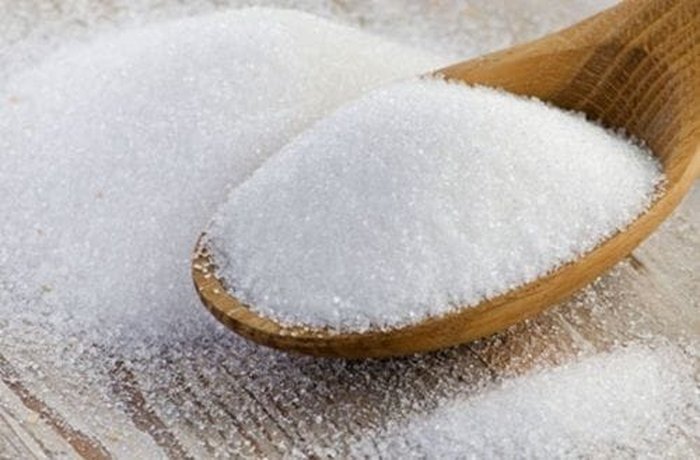
- 600 g (21 oz) sugar
- 600 ml (20 oz) water
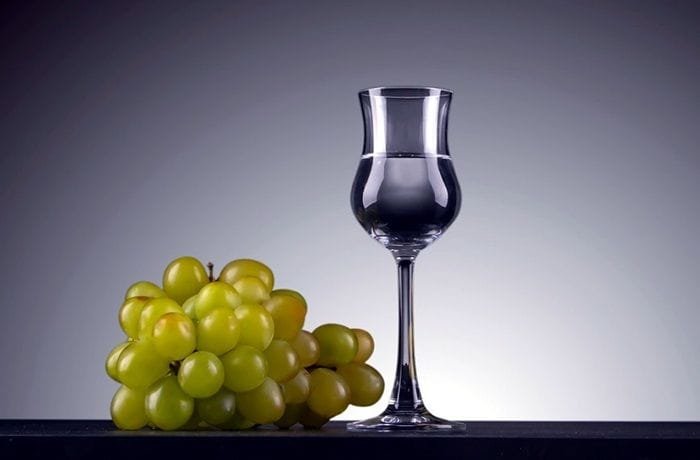
- 100 ml (3.4 oz) aguardiente
- 1 mint leaf (optional)

Instructions
- Wash the murtilla berries carefully in cold water without breaking the fruit, and remove any stems. Set aside. Fill a clean bottle with the aguardiente, add the berries, swirl gently to combine, seal, and let rest for 5 to 7 days, or until the berries turn pale.
- Once the resting time is up, add the water and sugar to a large pot or pan, heat over high heat for at least 10 minutes, stirring so the mixture doesn’t scorch, until you get a syrup with a slightly viscous texture, optionally adding a mint leaf for aroma.
- Let the syrup cool, then add it to the bottle where the aguardiente and berries have been macerating, seal the bottle again, and let it rest for another 2 to 3 days. After that, the murtado is ready to enjoy in small glasses, either strained or with the soaked fruit still inside.
Additional Homemade Tips
Watch the syrup temperature
The syrup should reach roughly 105°C to 108°C (221°F to 226°F). That’s the ideal range for a syrup with a slightly viscous texture, as called for in the recipe.
Strain it if serving to guests
You can strain the murtado if you plan to serve it for a special occasion, though leaving the fruit in is always a treat for anyone who really enjoys it.
| Substitution | Use instead of | Effect |
|---|---|---|
| Vodka | Aguardiente | Neutral base, similar result |
| Frozen murtilla berries | Fresh murtilla berries | Releases color and flavor faster |
| Brown sugar | White sugar | Deeper, caramel-like sweetness |
| Fresh basil leaf | Mint leaf | Slightly peppery aromatic note |
Frequently Asked Questions (FAQs)
1. How long can you store murtado?
Homemade murtado can be stored for 6 months to 1 year in a sterilized, airtight glass container, kept in a cool, dry, dark place. Once opened, keep it refrigerated and consume it within 1 to 2 months.
2. What type of aguardiente is best?
A grape aguardiente (similar to pisco, but unaged) or even vodka work well. The key is using a neutral alcohol base so the murtilla flavor stays the star of the drink.
3. Can you use frozen murtilla berries?
Yes, if fresh murtilla berries aren’t in season, you can add frozen ones directly to the aguardiente. Freezing helps break down the fruit’s membranes, releasing more color and flavor during maceration.
What Is Murtado?
Murtado is a traditional homemade liqueur from southern Chile made by macerating murtilla berries in aguardiente and sweetening the mix with a simple sugar syrup, resulting in a deep red, lightly sweet after-dinner drink.
History of Murtado in Chile
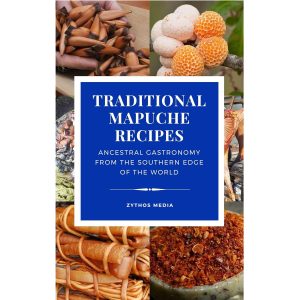
Murtado is a heritage liqueur from southern Chile born from cultural fusion, combining the Mapuche people’s ancestral gathering of murtilla berries with the aguardiente and preserving techniques introduced by the Spanish.
Did You Know?
Murtado is traditionally reserved for special occasions, served as a bajativo or given as a gift, and is especially common among family and friends in southern Chile.