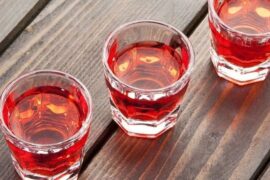
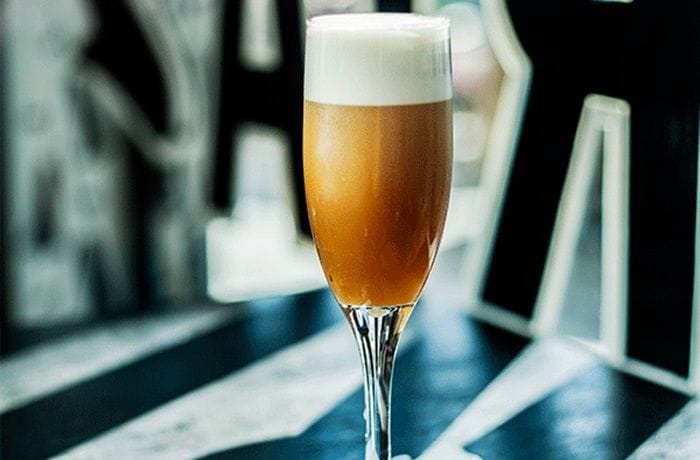
Bitter batido is a classic Chilean cocktail made with a bitter liqueur of the same name, which traces back to the Middle Ages and is prepared from roots, flowers, and herbs once used to treat various ailments. It’s a short drink long featured on the menus of old bars and clubs in downtown Santiago.
The formula blends the herbal, astringent profile of Angostura bitters with the sweet density of cocoa liqueur and powdered sugar, finished with a fine crown of foam that softens the herbal edge and served ice-cold in flute glasses.
How to Make Bitter Batido?
Bitter batido is made by shaking a type of bitter (angostura, cascarilla, cassia, gentian, orange peel, or cinchona bark) together with cocoa liqueur or cream, powdered sugar, and crushed ice in a cocktail shaker, resulting in a smooth, delicious drink served in tall, flute-shaped glasses.
Nutritional Information
Each serving of bitter batido contains approximately 200 kcal, 25 g of carbohydrates, 0 g of fat, 0 g of protein, 0 g of fiber, 25 g of sugars, 0 mg of cholesterol, and 10 mg of sodium. (*) Values may vary depending on the ingredients and portion sizes used.
Homemade Chilean Bitter Batido Recipe
Preparation: 5 minutes
Servings: 1 person
Ingredients
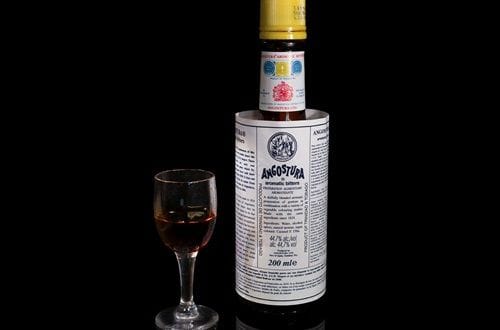
- 150 ml Angostura bitters
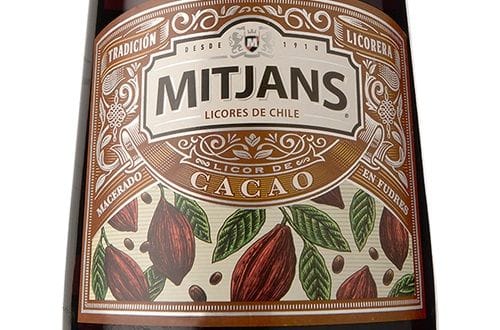
- 50 ml cocoa liqueur
- 2 tablespoons powdered sugar
- Ice cubes (crushed)
Instructions
- Have a clean, dry cocktail shaker ready before starting, along with the ingredients and tools within reach for a smooth preparation. First, pour the bitters and the cocoa liqueur into the shaker.
- Next, add the powdered sugar and a bit of crushed ice, just enough to chill the mixture well without diluting it; seal the shaker tightly, hold the lid firmly, and shake vigorously for about 20 seconds until the shaker feels cold to the touch.
- Serve the bitter batido in tall, flute-shaped glasses, making sure to form a foam that crowns the presentation, optionally garnished with a slice of lemon or a sprig of mint.
Additional Tips
Pre-Chill Everything Beforehand
Pre-chill all the ingredients (including the shaker) for 15 minutes in the freezer to keep the ice from melting too fast and diluting the flavor, preserving the creamy texture when shaken.
Add Egg White for a Denser Foam
For a denser, longer-lasting foam, add a pasteurized egg white before shaking. This gives a creamier texture and a more professional presentation to the cocktail.
Shake Vigorously, Not Gently
This cocktail needs a full 20-second vigorous shake, not a gentle stir, to properly emulsify the foam and chill the mixture without over-diluting it.
| Original Ingredient | Substitute | Notes |
|---|---|---|
| Cocoa liqueur | Crème de menthe | Creates a mint-forward variation of the classic bitter base |
| Cocoa liqueur | Coffee liqueur or amaretto | Each swap creates a unique variant while keeping the bitter core |
| Angostura bitters | Non-alcoholic bitter extract | Combine with chocolate syrup for an alcohol-free mocktail version |
| Powdered sugar | Simple syrup | Dissolves more easily when shaken cold |
Frequently Asked Questions (FAQs)
1. Can bitter batido be made without alcohol?
Yes, you can replace the cocoa liqueur with chocolate syrup and use a non-alcoholic bitter or bitter herb extract. The result will be a refreshing mocktail with the characteristic bitter flavor.
2. How long does it keep once prepared?
Bitter batido should be enjoyed immediately after preparing it, since the foam fades quickly and the ingredients tend to separate. It’s not recommended to keep it for more than 10-15 minutes.
3. What can I use instead of cocoa liqueur?
You can use crème de menthe, coffee liqueur, amaretto, or even dark rum. Each substitution will create a unique variation of the cocktail while keeping the characteristic bitter base.
4. Can it be batch-prepared for parties?
While it’s possible to multiply the recipe, it’s better to prepare it in small batches (2 to 3 servings at most) to keep the foam quality and the right temperature in each glass served.
5. Why is bitter batido served in a flute glass?
The flute glass helps concentrate the bitter’s aromas, better preserves the foam created when shaking, and enhances the cocktail’s elegant presentation.
History and Origin of Bitter Batido
The history of bitter batido runs deep, and although there’s no clear record of its exact origin, by the early 20th century it was already one of the most requested cocktails at bars in downtown Santiago, alongside the vaina and the cola de mono. Some variations of bitter batido include adding an egg white for a creamier foam, a splash of cognac, or a twist of orange and lemon peel in the shaker.
Did You Know?
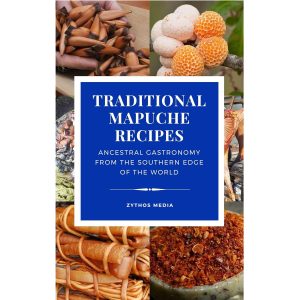
Bitters can be made by infusion or distillation, using aromatic herbs, barks, roots, and fruits to give them flavor and aphrodisiac, medicinal, or digestive properties: angostura, cascarilla, cassia, gentian, orange peel, and cinchona bark.