
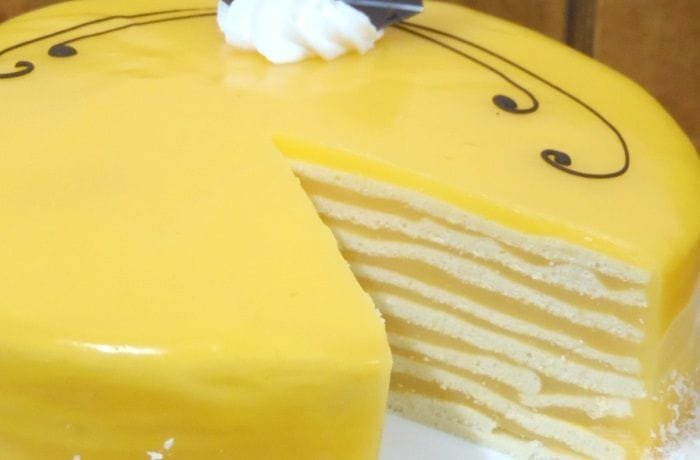
Chilean torta de panqueques de naranja is a tall layered cake made of about 15 thin, oven baked butter pancakes stacked with an orange cream made from fresh orange juice, cornstarch, and whipped cream. It takes 90 minutes of preparation plus 30 minutes of baking and serves 8 people.
It is a classic, delicious, and fairly easy cake to share with the whole family on any occasion, and a favorite with adults and children alike.
How to Make Chilean Orange Pancake Cake?
This cake is ideal for spring, made with fresh oranges or natural juice and often finished with chocolate sauce or grated chocolate. You spread a thick butter batter into thin circles on parchment, bake each layer for a few minutes, and stack them with an orange cream that sets as the cake chills.
Nutritional Information
Each serving of orange pancake cake contains approximately 550 kcal, 8 g of protein, 28 g of fat (17 g of saturated fat), 160 mg of cholesterol, 70 g of carbohydrates, 45 g of sugars, and 150 mg of sodium. These values are estimates and may vary depending on ingredients and portion sizes.
Homemade Chilean Torta de Panqueques de Naranja Recipe
Preparation: 90 minutes
Cooking: 30 minutes
Servings: 8 people
Ingredients
For the pancakes
- 250 g (2 cups) of all purpose flour
- 250 g (8.8 oz) of butter, softened
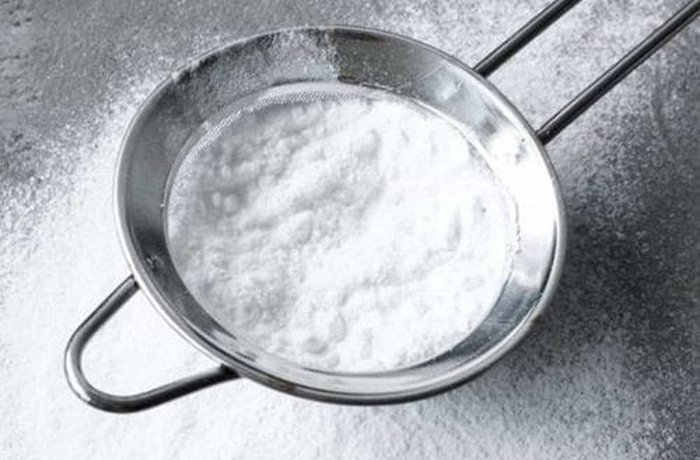
- 250 g (2 cups) of powdered sugar
- 5 eggs
- 1 tablespoon of vanilla extract
- Orange zest
For the orange filling
- 1 liter (34 fl oz) of orange juice
- 200 ml (7 fl oz) of cream
- 200 g (1 cup) of sugar
- 100 g (3/4 cup) of cornstarch
- 1 whole orange, for zest

Instructions
- Cut the butter into cubes and place it in a large bowl, add the powdered sugar, and beat at low speed until soft and creamy. Add the vanilla and orange zest and keep beating until the butter turns pale. Add the eggs one at a time, beating constantly, then add the sifted flour gradually and mix until smooth.
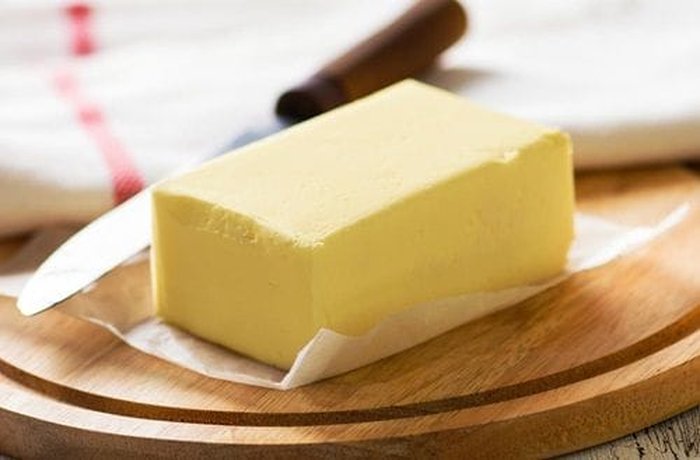
- Cut 15 squares of parchment paper of 25 x 25 cm and draw a 20 cm (8 in) circle in the center of each. Spread the batter thinly over each circle with a spatula, following the edges. Bake in an oven preheated to 200 C (392 F) for 5 to 8 minutes, until the surface is set and the edges lightly golden. Repeat until all the pancakes are baked.
- In a large pot, bring 750 ml of the orange juice, the sugar, and the zest of 1 orange to a boil. Meanwhile, in a medium bowl, mix the remaining 250 ml of orange juice with the cornstarch, stir well, and add it to the pot right after it boils. Cook over medium heat, stirring constantly, until it boils again and thickens to a lightly creamy consistency. Take it off the heat, cover with plastic wrap touching the surface to prevent a skin, and let it cool completely.

- In a large bowl, whip the cream until foamy, add the orange sauce, and beat vigorously until smooth. Without removing the paper, spread a thin layer of orange cream over one pancake, set another pancake on top with its paper facing up, press gently, and peel off the paper.
- Fill with orange cream and repeat until all the pancakes are stacked, keeping about a quarter of the cream for the outside. Refrigerate for 20 minutes, then cover the outside of the cake with the remaining orange cream and decorate with grated chocolate or seasonal fruit. Serve chilled and keep refrigerated until serving.
Additional Tips
Start with soft butter
Make sure the butter is soft before beating it. It blends better with the sugar and gives the batter a creamier texture that spreads easily into thin circles.
Use freshly squeezed juice
The fresh citrus flavor is key to this cake. If you use bottled juice, make sure it has no added sugar, or the filling will be too sweet.
Rest it overnight
The cake improves after a night in the refrigerator, when the pancakes absorb the cream and the layers slice cleanly.
| Original ingredient | Substitute | Ratio | Flavor note |
|---|---|---|---|
| Orange juice | Mandarin juice | 1:1 | Sweeter, more floral |
| Orange cream | Lemon cream | 1:1 with extra sugar | Sharper, tangier |
| Grated chocolate | Candied orange peel | To taste | More citrus |
| Cornstarch | Potato starch | 1:1 | Same set |
Frequently Asked Questions (FAQs)
1. Can I use granulated sugar instead of powdered sugar?
It is not recommended. Powdered sugar is needed for creaming the butter in the first step, because it dissolves much better into soft butter.
2. Can I make the cake ahead of time?
Yes. In fact it improves the next day as the flavors settle. Keep it refrigerated and well covered.
3. Can I cook the pancakes in a frying pan instead of the oven?
Not for this recipe. The batter is thicker than a regular crepe batter and needs the oven to form firm, thin layers.
4. Can the finished cake be frozen?
Yes, although it is best eaten fresh. If you freeze it, do so before decorating and well wrapped, and thaw it slowly in the refrigerator.
What Is a Torta de Panqueques?
In Chile, a torta de panqueques is a layered cake made from many thin pancakes stacked with a filling, most often manjar or orange cream. The orange version is one of the most traditional, and its thin layers and bright color make it a favorite for birthdays and family celebrations.
History and Origin of Oranges
Oranges originated thousands of years ago in Southeast Asia, especially in the regions of China and India, where they were grown alongside other citrus fruits such as lemons and mandarins long before trade routes and colonial expansion took them to the rest of the world.
Did You Know?
Pancakes, sweet or savory, go by many names depending on the country: crepes, filloas, blinis, panqueques, or even canelones when they are rolled around a filling.
How to adapt this recipe to a vegan or vegetarian version?
How to adapt this recipe to a gluten-free version?
How to adapt this recipe to a keto (ketogenic) version?
Recommended
- Chilean Orange Sponge Cake Recipe
- Chilean Mocha Cream Cake Recipe
- Chilean Ladyfinger Cake Recipe
- Chilean Tres Leches Cake Recipe