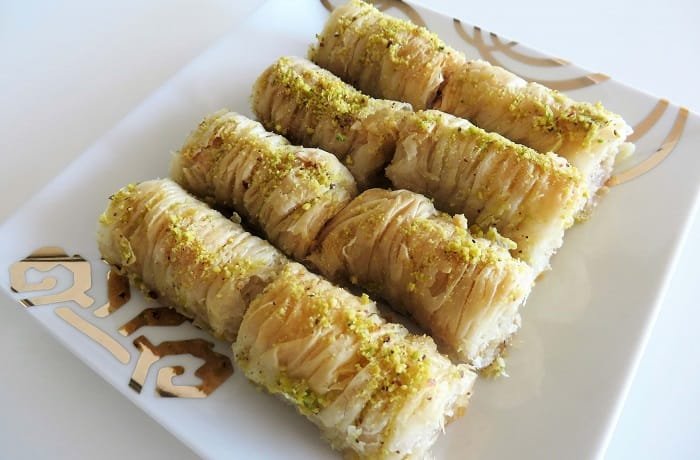
Homemade baklava rolls, known in Chile as dulces árabes, are made by layering buttered phyllo sheets with a filling of ground nuts, sugar, cinnamon, and butter, rolling them up, cutting them into pieces, baking at 160 C (320 F) for 35 to 40 minutes, and drizzling them with honey as soon as they come out of the oven. They take 30 minutes of preparation plus 40 minutes of baking and serve 6 people.
Brought by Arab immigrants, they have become one of Chile’s favorite sweets.
How to Make Baklava Rolls?
Have all your ingredients ready, especially ready-made phyllo dough and enough parchment paper. Each roll uses four buttered phyllo sheets with the nut filling, and the honey is poured on while they are hot so they soak it up.
Nutritional Information
Each serving of baklava rolls contains approximately 450 kcal, 40 g of carbohydrates, 28 g of fat, 6 g of protein, 2 g of fiber, 20 g of sugars, 60 mg of cholesterol, and 150 mg of sodium. These values are estimates and may vary depending on ingredients and portion sizes.
Homemade Dulces Árabes (Baklava Rolls) Recipe
Preparation: 30 minutes
Cooking: 40 minutes
Servings: 6 people
Ingredients
- 12 sheets of phyllo dough
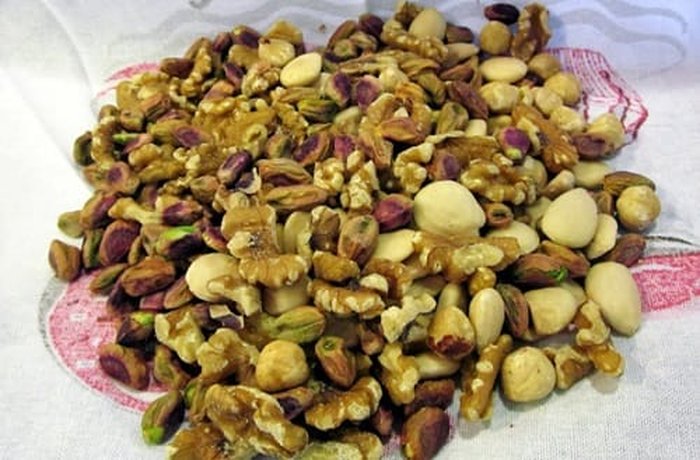
- 1 cup of mixed nuts
- 4 tablespoons of butter
- 3 tablespoons of sugar
- 1/2 teaspoon of cinnamon
- 1/4 cup of liquid honey
Instructions
- In a food processor, combine the nuts, cinnamon, sugar, and 1 tablespoon of softened butter and process for 3 minutes until evenly mixed. Set aside in a bowl. Preheat the oven to 160 C (320 F) and butter a baking tray or line it with parchment.
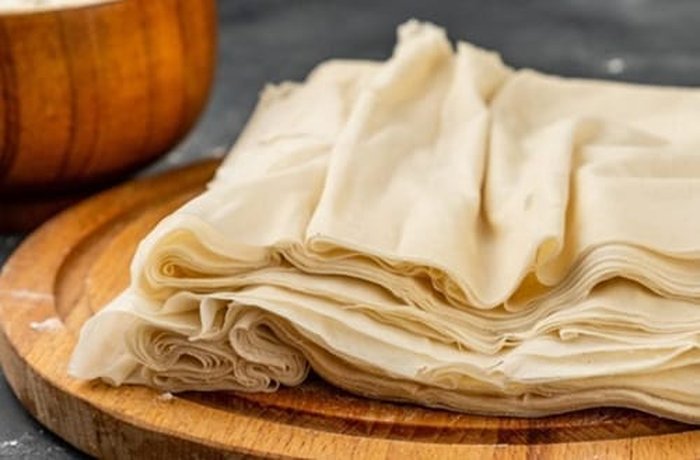
- Melt the remaining 3 tablespoons of butter. Lay a phyllo sheet on a clean surface, brush with butter, and cover with a second sheet. Spread a third of the nut mixture over it, cover with a third sheet, brush with butter, add a fourth sheet, and brush again.
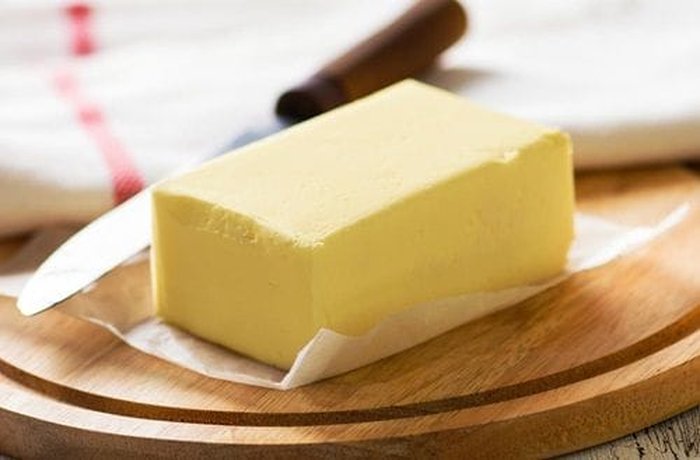
- Repeat twice more with the rest of the filling and phyllo. Roll each stack gently from the long side, cut into pieces 5 to 10 cm (2 to 4 in) long, place them on the tray, and brush the tops with melted butter.
- Bake for 35 to 40 minutes, until lightly golden. Remove from the oven and immediately drizzle with honey. Let cool and serve cold with tea or coffee.
Additional Tips
Work quickly
Phyllo is very thin and dries fast; keep unused sheets covered with a damp towel.
Spread the filling evenly
Distribute a third of the mixture over each second sheet so every roll has plenty of filling.
Add honey while hot
Drizzling the honey right out of the oven lets the pastry absorb it.
| Original ingredient | Substitute | Ratio | Flavor note |
|---|---|---|---|
| Mixed nuts | Pistachios | 1:1 | More traditional |
| Honey | Sugar syrup with lemon | 1:1 | Lighter |
| Cinnamon | Cardamom | 1/4 teaspoon | More aromatic |
| Butter | Ghee | 1:1 | Crisper |
Frequently Asked Questions (FAQs)
1. At what temperature do I bake them?
Preheat the oven to 160 C (320 F) and bake for 35 to 40 minutes, until lightly golden.
2. How should I serve them?
Cold, on their own or with freshly made tea or coffee.
3. When do I add the honey?
Right after taking them out of the oven, so they soak up the honey while hot.
4. How many phyllo sheets per roll?
Four sheets per roll, buttered between layers, with the filling spread over the second sheet.
What Are Dulces Árabes?
Dulces árabes is the Chilean name for Middle Eastern pastries such as baklava, brought by Arab immigrants and sold in Santiago neighborhoods like Patronato.
Where to Find Them in Chile
Traditional Arab pastry shops in Santiago, especially in Patronato, Recoleta, and Ñuñoa, have sold these sweets for decades.
Did You Know?
Modern baklava is thought to have been refined in the imperial kitchens of Istanbul in the 15th century, where it was reserved for special occasions.