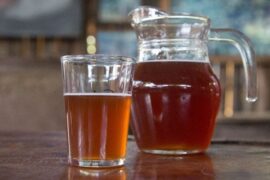
Cachintor is a traditional non-alcoholic beverage from the Atacama Desert of northern Chile, made by crushing dried carob pods (algarrobo) in water and letting the mixture rest for up to 24 hours. The result is a naturally sweet, earthy drink with a mild, nutty flavor that has sustained indigenous Atacameño communities for centuries. It requires no heat, no added sugar, and only three ingredients.
If left to rest beyond 48 hours, cachintor begins to ferment and becomes aloja, the alcoholic counterpart that the desert communities have prized equally. Consumed fresh, it is a nutritious, gluten-free drink rich in natural sugars, soluble fiber, and antioxidants from the carob pulp.
How to Make Cachintor?
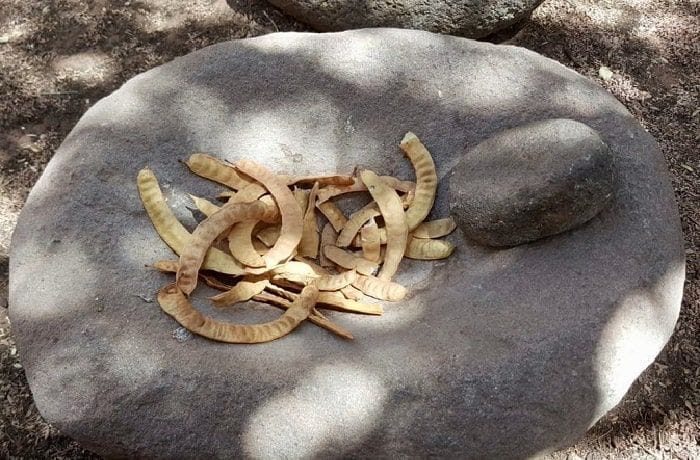
The preparation is straightforward but requires patience. Carob pods are ground in a food processor or a traditional stone mortar called a tacana, then stirred into lightly warmed water and left to infuse in a clay vessel called a vilca for 24 hours. Occasional stirring during the resting period helps extract the natural sweetness from the carob pulp. The drink is strained and consumed within 24 to 28 hours, before active fermentation begins.
Nutritional Information
Each serving (approximately 250 ml) provides around 100 calories, 25 g of carbohydrates (20 g of which are natural sugars from the carob), 1 g of fat, 1 g of protein, 2 g of dietary fiber, and just 5 mg of sodium with no cholesterol. Carob is naturally high in antioxidant polyphenols and contains antibacterial and antifungal compounds. It is inherently gluten-free, making cachintor suitable for people with celiac disease or gluten sensitivity.
Homemade Cachintor Recipe
Prep time: 15 minutes | Resting time: 24 hours | Servings: 12
Ingredients
- 500 g dried carob pods (algarrobo)
- 3 liters water
- Sugar to taste (optional)
Instructions
- Grind the carob pods: Break the dried carob pods into pieces and grind them in a food processor until coarsely crushed. Alternatively, use a heavy stone mortar (traditionally called a tacana) to pound them by hand. The pods do not need to be reduced to a fine powder — a rough, granular crush is ideal.
- Combine with water: Lightly warm the 3 liters of water (it should feel slightly warm to the touch, not hot). Pour the crushed carob into the water and stir thoroughly with a large wooden spoon until evenly distributed. If desired, add a small amount of sugar at this stage, though the carob provides substantial natural sweetness on its own.
- Rest for 24 hours: Transfer the mixture to a large clay vessel (vilca) or any food-safe container with a lid. Cover loosely and leave at room temperature for approximately 24 hours, stirring occasionally — at least two or three times during the resting period. The carob will continue to release its sugars and flavor into the water throughout this time.
- Strain and serve: Strain the liquid through a fine-mesh strainer or cheesecloth to remove the solid carob pieces. Taste and adjust sweetness if needed. Serve chilled. Consume within 24 to 28 hours from the moment the mixture was prepared, while the drink is still fresh and before fermentation begins.
Additional Tips
How to Tell When Cachintor Is Ready vs. Beginning to Ferment
Fresh cachintor has a clean, sweet, lightly earthy taste with no sourness. As it approaches 36 to 48 hours, you will notice a faint tangy note and possibly small bubbles forming on the surface — this is the beginning of fermentation. At this point the drink is transitioning into aloja. It remains safe to consume but the flavor profile changes significantly. If you prefer the non-alcoholic version, plan to drink it within the first 24 to 28 hours.
The Traditional Vilca Container
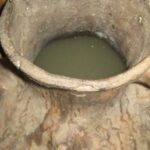
In Atacameño tradition, cachintor is prepared and stored in a vilca, a large clay pot that is slightly porous and helps maintain a cool temperature through evaporative cooling — an important quality in the desert climate. A ceramic or earthenware vessel works as a substitute in a modern kitchen. Avoid using reactive metals (copper, cast iron) that could affect the flavor of the drink.
Sourcing Carob Pods
In Chile, algarrobo pods are available in markets in the northern regions and in specialty food stores throughout the country. In other countries, dried carob pods can be found in Middle Eastern grocery stores, health food shops, or online. Look for pods that are deeply brown, dry, and fragrant rather than pale or odorless, which indicates age and loss of natural sugars.
| Ingredient | Substitution | Notes |
|---|---|---|
| Carob pods (whole) | Carob powder (algarrobina) | Use 100 g powder dissolved directly in water, no grinding needed |
| Water (plain) | Lightly mineral water | Adds subtle mineral notes that complement carob |
| Sugar (optional) | Honey or panela | Adds complexity; dissolve fully before resting period |
| Clay vessel (vilca) | Glass jar or ceramic pot | Avoid reactive metals; cool dark place for best results |
Frequently Asked Questions (FAQs)
What is cachintor?
Cachintor is a traditional Chilean beverage from the Atacama Desert, made from crushed dried carob pods (algarrobo) steeped in water for 24 hours. It is consumed fresh as a naturally sweet, non-alcoholic drink. If left to ferment beyond 48 hours, it becomes aloja, its traditional alcoholic counterpart.
What is the difference between cachintor and aloja?
Cachintor and aloja are made from the same ingredients and base preparation, but differ only in the length of the fermentation period. Cachintor is consumed within 24 to 28 hours, while the mixture is still fresh and non-alcoholic. Aloja is the same drink left to ferment for 2 to 3 days or longer, developing alcohol content and a noticeably sour, complex flavor. Both are traditional beverages of the Atacameño people.
Can you add sugar to cachintor?
Yes, sugar is optional. Carob pods contain significant natural sugars and most people find the drink sweet enough without any addition. If you prefer a sweeter result, stir in sugar, honey, or panela before the resting period begins so it dissolves fully into the mixture as it infuses.
Is cachintor gluten-free?
Yes. Cachintor is made entirely from carob pods and water, both of which are naturally free of gluten. It is safe for people with celiac disease or gluten sensitivity, provided no gluten-containing additives are used.
How long does cachintor keep?
Cachintor should be consumed within 24 to 28 hours of preparation. After that, it begins to ferment naturally. If you want to slow the process, refrigerate the strained liquid, which can extend the fresh window by several hours. Once fermentation is active, the character of the drink has changed — it is becoming aloja rather than cachintor.
What Is Cachintor?
Cachintor is a pre-Hispanic beverage made from the pods of the carob tree (Prosopis chilensis, known locally as algarrobo), a drought-resistant legume that grows throughout the arid zones of northern Chile and the broader Andean foothills. The pods are harvested when ripe and dried, then ground and steeped in water to release their natural sugars and nutrients. The drink requires no cooking and no fermentation to be consumed, making it one of the simplest traditional preparations in the Chilean desert culinary repertoire.
History of Cachintor in Chile
Cachintor is deeply associated with the Likan Antai (Atacameño) people, the indigenous inhabitants of the Atacama Desert in northern Chile. For these communities, the algarrobo tree was a keystone resource: its pods provided food in the form of flour (algarrobina), animal feed, construction timber, and beverages in both non-alcoholic (cachintor) and fermented (aloja) forms. The preparation has been documented in the region since the colonial period and continues to be practiced in communities around San Pedro de Atacama and the surrounding altiplano villages. It represents one of the clearest culinary continuities between pre-Columbian Andean food culture and the present day in Chile.
Did You Know?
The carob tree (algarrobo) has been studied for its remarkable array of bioactive compounds. Research has identified antibacterial, antifungal, and antiparasitic properties in carob pulp extracts, attributed to its high concentration of polyphenols and tannins. The soluble fiber in carob, known as locust bean gum, is now used commercially as a food thickener and stabilizer in the global food industry. When you drink cachintor, you are consuming one of the world’s oldest functional foods in one of its most original forms.