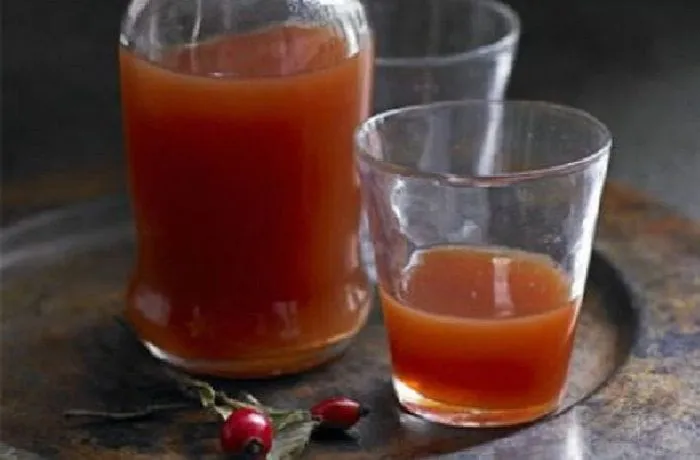
Chilean Mapuche rosehip chicha is a traditional lightly fermented drink made from fresh ripe rosehips (rosa mosqueta), boiled water, and optional ulmo honey. The fermentation takes 15 days and requires no added yeast — the wild yeasts present on the rosehip skins drive the process naturally, producing a mildly sweet-and-sour drink of approximately 4% alcohol by volume.
This is one of the lesser-known preparations in the Mapuche fermentation tradition, made from rosehips collected between March and May when the fruit is at peak ripeness in the foothills of the Andes and the Patagonian valleys. The drink is served cold, strained through a cloth or fine sieve, and consumed within a few days of reaching full fermentation.
How to Make Chilean Mapuche Rosehip Chicha?
The key to a clean, well-fermented chicha is temperature control throughout the 15-day process. Keep the vessel between 18°C and 22°C — this range allows the wild yeasts to work steadily without producing off-flavors. Above 25°C the fermentation accelerates uncontrollably and the result turns harsh and overly alcoholic. Below 15°C it stalls.
Always use boiled water that has cooled completely before mixing with the ground rosehips. Hot water kills the wild yeasts on the fruit skins and the fermentation will not start. A clay vessel (chuico de greda) is traditional and beneficial — the porous material allows micro-oxygenation that keeps the fermentation healthy.
Nutritional Information
Per serving (approximately 200 ml): 80 kcal, 0.5 g protein, 0 g fat, 20 g carbohydrates, 10 g sugars, 15 mg sodium. Rosehip chicha retains some of the vitamin C and antioxidants of the raw fruit even after fermentation. Alcohol content is approximately 4% ABV depending on fermentation time and honey addition.
Chilean Mapuche Rosehip Chicha Recipe
Prep time: 30 minutes | Fermentation: 15 days | Servings: 10
Ingredients
- 1 kg fresh ripe rosehips (mosquetas)
- 4 litres boiled water, cooled completely
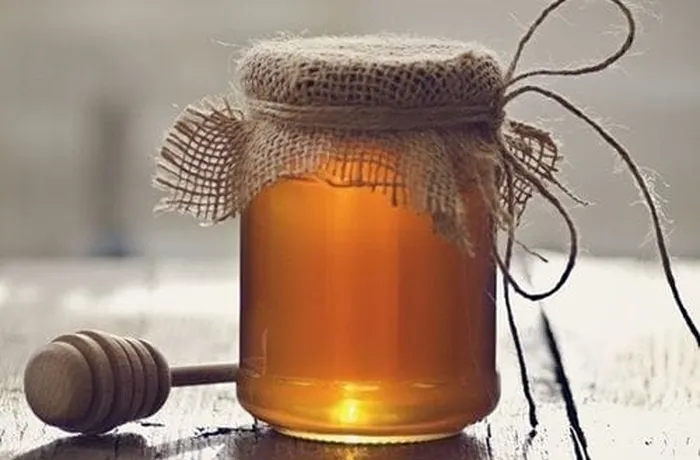
- Ulmo honey to taste (optional)

Instructions
- Wearing gloves to protect against the fine thorns on the rosehip skin, wash the fruit thoroughly in cold water and drain. Cut each rosehip in half and grind or process in a food processor until a coarse pulp forms — include the skins, which carry the natural wild yeasts essential for fermentation. Combine the ground rosehip pulp with the completely cooled boiled water in a large clay vessel or glass jar, stirring to integrate.
- Cover the vessel with a clean cloth or an airlock lid that allows gases to escape while keeping contaminants out. Store in a cool, dark place between 18°C and 22°C. Leave undisturbed for 8 to 10 days, stirring gently once a day. After 8 days taste the liquid — it should have a pleasant sweet-and-sour character. Add ulmo honey to taste at this stage if desired, stir to dissolve, and continue fermenting for another 7 days.
- When the ground pulp and starch particles rise and float on the surface, fermentation is complete. Skim off the floating solids with a slotted spoon, then strain the liquid through a fine-mesh sieve or clean cloth to remove remaining particles. The resulting drink should be a clear amber-rust color and read approximately 4% alcohol. Store refrigerated in sealed glass bottles and consume within 5 to 7 days.
Additional Tips
How to protect your hands when working with fresh rosehips?
Fresh rosehips are covered in fine surface hairs and surrounded by small thorns that cause skin irritation on contact. Always wear thick rubber or latex gloves throughout the cleaning, cutting, and grinding process. If you work bare-handed and develop a rash or itching, rinse with cold water and apply a soothing lotion. The hairs are also an irritant if inhaled — grind the fruit in a closed food processor rather than in an open mortar.
How to tell if fermentation is progressing correctly?
A healthy fermentation produces visible bubbling within the first 24 to 48 hours. The liquid should smell of ripe fruit and yeast — similar to sourdough starter or fresh beer. A thin white film on the surface is kahm yeast, a common harmless wild yeast that can be skimmed off with a clean spoon. No bubbling after 48 hours means either the temperature is too low, the water was too hot when mixed, or the rosehips lacked sufficient wild yeast — in that case, move the vessel to a warmer location.
How to adjust the final sweetness and alcohol level?
More honey at day 8 means more sugar for the yeasts to consume, which increases both the sweetness in the short term and the final alcohol content after the second fermentation phase. If you prefer a sweeter, less alcoholic drink, add honey and consume the chicha after only 3 to 4 additional days rather than the full 7. For a drier, stronger result, allow the full 7-day secondary fermentation before straining.
Chilean Fermented Drinks Comparison
| Drink | Base | Fermentation | ABV |
|---|---|---|---|
| Chicha de mosqueta (this recipe) | Rosehips | 15 days wild yeast | ~4% |
| Chicha de manzana | Apples | 7–14 days wild yeast | 3–6% |
| Chicha de uva | Grapes | 5–10 days wild yeast | 5–8% |
| Muday | Wheat or maize | 2–3 days | 1–3% |
Frequently Asked Questions (FAQs)
1. How long does the full fermentation process take?
The complete process takes approximately 15 days: 8 to 10 days for the initial fermentation of the ground rosehips in boiled water, followed by an additional 7 days after adding honey if you choose to sweeten it. The patience required is part of the traditional character of this preparation — rushing either phase produces a flat, under-developed drink.
2. What do bubbles on the surface mean during fermentation?
Bubbles indicate that the natural yeasts present on the rosehip skins are active and converting the fruit sugars into alcohol and carbon dioxide. This is the sign of a healthy, living fermentation. Consistent bubbling is normal for the first week. If it stops completely before day 8, move the vessel to a slightly warmer spot between 20°C and 22°C.
3. How do I know if the chicha has spoiled?
A spoiled batch smells strongly of harsh vinegar or shows black or green mold on the surface — discard immediately. A normal fermentation smells of ripe fruit, yeast, and fresh bread. A thin white film (kahm yeast) on the surface is harmless and can be skimmed off. Slight cloudiness is normal and expected in a wild-fermented drink.
4. Can I use dried rosehips instead of fresh?
This recipe is specifically designed for fresh, very ripe rosehips harvested between March and May in the Southern Hemisphere (September to November in the Northern Hemisphere). Dried rosehips have a different starch content, carry far fewer wild yeasts on their surface, and require a much longer pre-soaking step. Fresh fruit is strongly recommended for this preparation.
5. Why wait for the starch and pulp to float to the surface before straining?
When the ground pulp and starch particles rise to the surface, the primary fermentation cycle has completed and the active yeast has consumed most of the available sugars. The liquid below becomes clearer and more stable. Straining at this point removes the spent pulp and produces a cleaner, more stable drink that keeps better during refrigerated storage.
What Is Chilean Mapuche Rosehip Chicha?
Chicha de mosqueta is a traditional Mapuche fermented drink made from rosa mosqueta — the rosehip fruit of the Rosa eglanteria shrub that naturalized across Chilean Patagonia. Unlike commercial fermented drinks, it relies entirely on wild yeasts present on the fruit skins for fermentation, requiring no added starter culture. The result is a mildly alcoholic, sweet-and-sour drink with a deep rust color and a complex flavor profile that reflects the fruit’s natural tannins, vitamin C, and aromatic compounds.
History of Chicha in Mapuche Culture
Fermented fruit and grain drinks have been central to Mapuche ceremonial and everyday life for centuries. Muday — made from wheat or maize — is the most documented Mapuche chicha, consumed at nguillatun ceremonies and community gatherings. Chicha de mosqueta represents a regional variation developed in the foothills of the Andes and the Patagonian lakes zone, where rosehips grew abundantly and were one of the few fruits available for fermentation before European fruit species arrived. The use of clay vessels (chuico de greda) for fermentation is part of the traditional method — the porous walls regulate temperature and allow the micro-oxygenation that keeps wild yeast fermentations stable.
Did You Know?
Rosa mosqueta is one of the richest plant sources of vitamin C in the world, containing 20 times more vitamin C per gram than oranges. Even after fermentation, a portion of this vitamin C is retained in the chicha. The Mapuche traditionally used rosehip preparations — including infusions, jams, and fermented drinks — as cold-season tonics for strengthening the immune system during the harsh Andean winters.