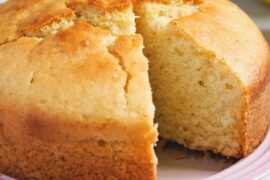

Chilean queque de limon is a soft, fluffy loaf cake made with flour, milk, sugar, butter, eggs, fresh lemon juice, and lemon zest, served plain or with a lemon glaze. It takes 20 minutes of preparation plus 40 minutes of baking and serves 6 people.
It is a classic, easy cake to enjoy any day and on any occasion, on its own or finished with a simple glaze.
How to Make Chilean Lemon Cake?
Queque de limon is a sponge made with flour, milk, sugar, and freshly squeezed lemon juice, yellow lemon, Pica lemon, or a mix of both. You cream the butter and eggs with sugar, add the milk, then the flour, juice, and zest, and bake.
Nutritional Information
Each serving of lemon cake contains approximately 400 kcal, 6 g of protein, 15 g of total fat (8 g of saturated fat), 60 g of carbohydrates, 35 g of total sugars, and 200 mg of sodium. These values are estimates and may vary depending on ingredients and portion sizes.
Homemade Chilean Queque de Limon Recipe
Preparation: 20 minutes
Cooking: 40 minutes
Servings: 6 people
Ingredients
- 300 g (2 1/2 cups) of all purpose flour
- 250 ml (1 cup) of milk, at room temperature
- 200 g (1 cup) of sugar
- 120 ml (1/2 cup) of lemon juice
- 2 eggs
- 2 tablespoons of butter, softened
- 1 teaspoon of baking powder
- 1 teaspoon of lemon zest

Instructions
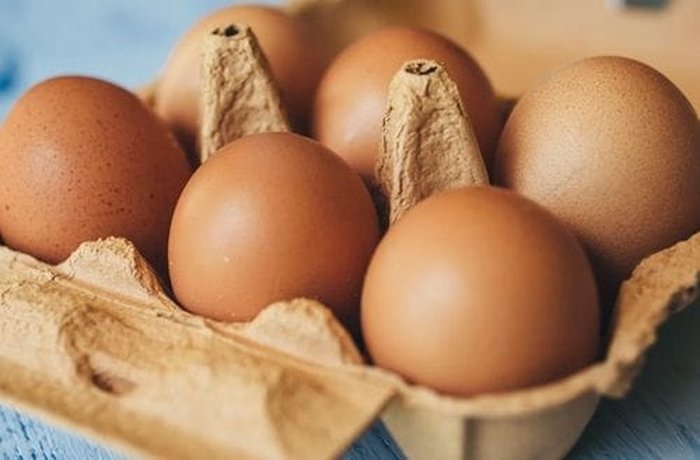
- In a large bowl, beat the room temperature eggs and butter with a mixer at medium speed until creamy, then add the sugar and keep beating until dissolved.
- Add the room temperature milk little by little, mixing at medium speed. Add the flour and baking powder, sifted together, the lemon juice, and the lemon zest, and mix again.
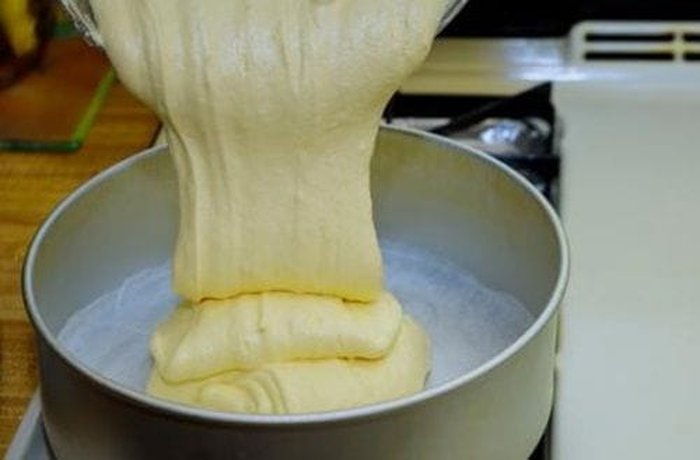
- Pour the batter into a greased tin and tap it gently on the counter to settle. Bake in an oven preheated to 180 C (356 F) for about 40 minutes, or until a wooden toothpick comes out dry.
- Let it cool for about 10 minutes before unmolding. Serve fresh, plain or decorated with powdered sugar, meringue, or a lemon glaze.
Additional Tips
Use room temperature ingredients
Make sure all ingredients are at room temperature before mixing for the fluffiest cake.
Do not overbeat
Once the flour is in, mix only until combined; overbeating develops gluten and makes the cake tough.
Add a lemon glaze
Mix 100 g of powdered sugar with 2 to 3 tablespoons of fresh lemon juice until smooth and slightly thick, and pour it over the cooled cake.
| Original ingredient | Substitute | Ratio | Flavor note |
|---|---|---|---|
| Yellow lemon | Pica lemon | 1:1 | More aromatic |
| Butter | Oil | 2 tbsp : 2 tbsp | Moister |
| Milk | Plain yogurt | 1:1 | Tangier, denser |
| Plain top | Lemon glaze | 100 g sugar + 3 tbsp juice | Sweeter, glossy |
Frequently Asked Questions (FAQs)
1. Which lemon should I use?
Freshly squeezed yellow lemon, Pica lemon, or a combination both work; Pica lemon gives a more aromatic, floral flavor.
2. Why are my ingredients supposed to be at room temperature?
Room temperature eggs, butter, and milk blend more evenly and trap more air, which gives a lighter, fluffier cake.
3. How do I make a lemon glaze?
Whisk 100 g of powdered sugar with 2 to 3 tablespoons of lemon juice until smooth and slightly thick, then pour it over the cooled cake.
4. How long does lemon cake keep?
Covered at room temperature it keeps for 2 to 3 days, or up to a week in the refrigerator.
What Is a Queque?
In Chile a queque is a simple loaf or ring cake served at once. Lemon, orange, and marble queques are among the most popular.
Lemons in Chile
Chile grows excellent yellow lemons, and the small, fragrant Pica lemon from the Atacama desert oasis is prized for desserts, cocktails, and dressings.

Did You Know?
The Spanish word queque comes from the English cake, and it is the name used mainly in Chile, Peru, and Costa Rica for this kind of simple loaf.
How to adapt this recipe to a vegan or vegetarian version?
How to adapt this recipe to a gluten-free version?
How to adapt this recipe to a keto (ketogenic) version?
Recommended
- Chilean Orange Sponge Cake Recipe
- Chilean Yogurt Cake Recipe
- Chilean Carrot Cake Recipe
- Chilean Microwave Mug Cake Recipe