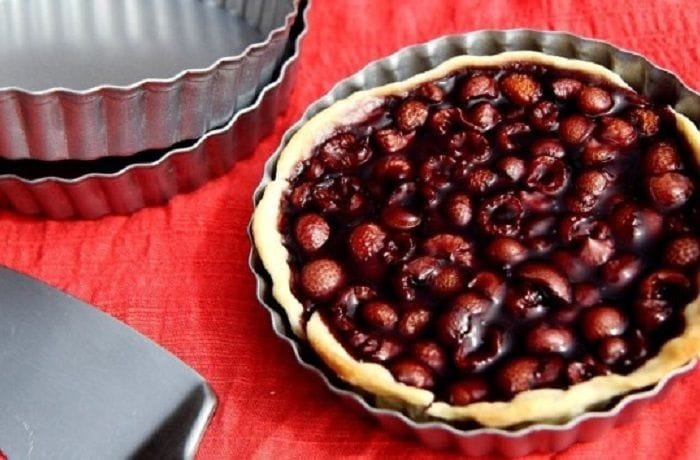
Chilean tarta de digüeñes al vino tinto is a sweet spring tart made with a butter and egg crust filled with digüeñe mushrooms cooked in a thick red wine and sugar reduction set with cornstarch, then baked at 180 C (356 F) for 25 minutes. It takes 30 minutes of preparation plus 80 minutes of cooking and serves 6 people.
It is a very original tart made with Chilean products, perfect for welcoming spring when digüeñes appear in the southern forests.
How to Make a Digüeñes and Red Wine Tart?
This seasonal tart combines digüeñes with flour, butter, sugar, and Merlot wine. The wine is reduced slowly with sugar into a syrup, thickened with cornstarch, and mixed with the mushrooms before filling the crust.
Nutritional Information
Each serving of digüeñes red wine tart contains approximately 320 kcal, 4 g of protein, 15 g of fat, 38 g of carbohydrates, 1 g of fiber, 25 g of sugars, and 140 mg of sodium. These values are estimates and may vary depending on ingredients and portion sizes.
Homemade Chilean Tarta de Digüeñes al Vino Tinto Recipe
Preparation: 30 minutes
Cooking: 80 minutes
Servings: 6 people
Ingredients
- 400 ml (1 2/3 cups) of red wine (Merlot)
- 100 g (7 tablespoons) of butter
- 2 cups of digüeñes (wild mushrooms)
- 1 cup of sugar
- 1 cup of flour
- 1 egg
- 3 teaspoons of cornstarch
Instructions
- In a bowl, ideally glass, combine the flour, butter, and egg, working them gently with your fingertips into a smooth dough. Roll it out and press it into a buttered tart pan. Keep it cold.
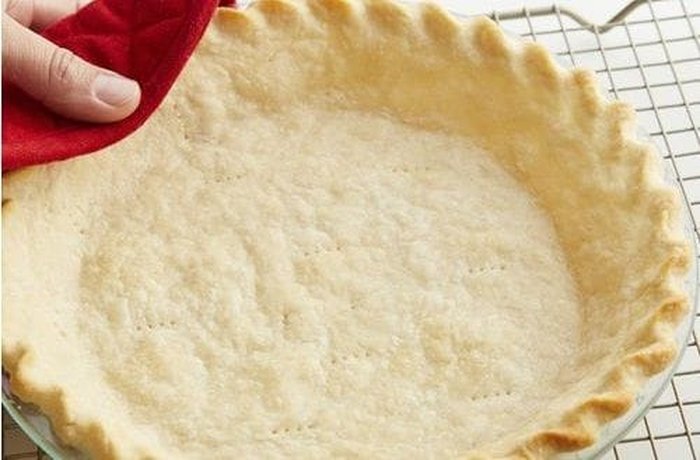
- Preheat the oven to 180 C (356 F) for at least 10 minutes. In a medium skillet, heat the wine and sugar over low heat until boiling, then reduce for about 40 minutes over low heat.
- Dissolve the cornstarch in a little cold water, add it to the wine reduction, and mix. Reduce for another 10 minutes. Add the chopped digüeñes and stir, cooking for 3 more minutes. Fill the crust with the mixture and bake for about 25 minutes at 180 C (356 F). Let it cool completely before serving.
Additional Tips
Clean the digüeñes gently
Brush them under cold water without soaking, since they absorb moisture, and dry them well so they do not thin the reduction.
Reduce slowly
Cook the wine over very low heat until it thickens like syrup, and taste halfway to balance the acidity with sugar.
Choose a fruity wine
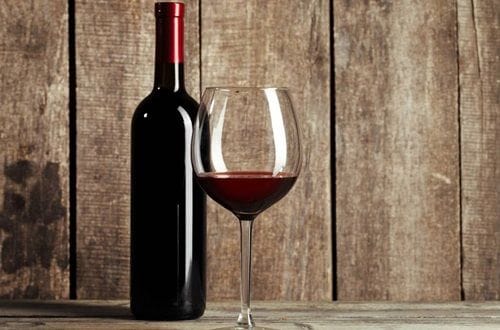
A young, fruity Merlot or Cabernet Sauvignon works best; very tannic wines can make the reduction bitter.
| Original ingredient | Substitute | Ratio | Flavor note |
|---|---|---|---|
| Red wine | Red grape juice plus a splash of vinegar | 1:1 | Alcohol-free, less depth |
| Digüeñes | Poached pear pieces | 1:1 | More conventional tart |
| Merlot | Cabernet Sauvignon | 1:1 | Bolder |
| Cornstarch | Potato starch | 1:1 | Same result |
Frequently Asked Questions (FAQs)
1. How can I tell if digüeñes are fresh?
They should be firm, with a fresh earthy smell and no sliminess. Avoid soft or spotted ones.
2. Which red wine is best?
A young, fruity Merlot or Cabernet Sauvignon with good acidity. Avoid very tannic wines.
3. Can I make an alcohol-free version?
Replace the wine with red grape juice and a splash of vinegar, and cook it the same way, although the flavor will be less deep.
4. How long does the tart keep?
Up to 3 days refrigerated in an airtight container. Warm it at 150 C (302 F) for 10 minutes to refresh the crust.
What Are Digüeñes?
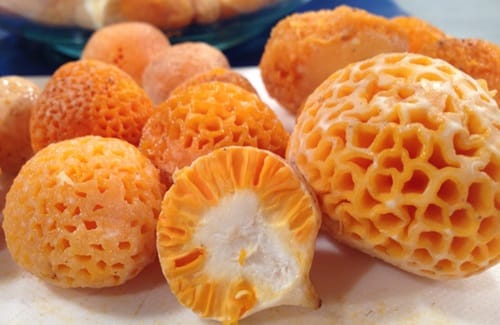
Digüeñes (Cyttaria espinosae) are small, orange-white edible fungi that grow on southern beech trees in central-southern Chile and appear only in spring.
A Sweet Use for Wild Mushrooms
Digüeñes have a mild, slightly sweet flavor and a spongy texture that absorbs syrups well, which is why they work in desserts as well as in salads and savory dishes.
Did You Know?
In Spanish, tarta is a general name for single-crust pastries, sweet or savory, that are filled with pastry cream, cream cheese, jam, fresh fruit, or other mixtures.
How to adapt this recipe to a vegan or vegetarian version?
How to adapt this recipe to a gluten-free version?
How to adapt this recipe to a keto (ketogenic) version?
Recommended
- Chilean Digüeñes Ceviche
- Chilean Digüeñes Empanadas
- Chilean Nalca and Digüeñes Salad
- Chilean Changles Salad