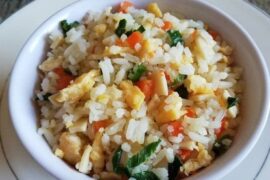
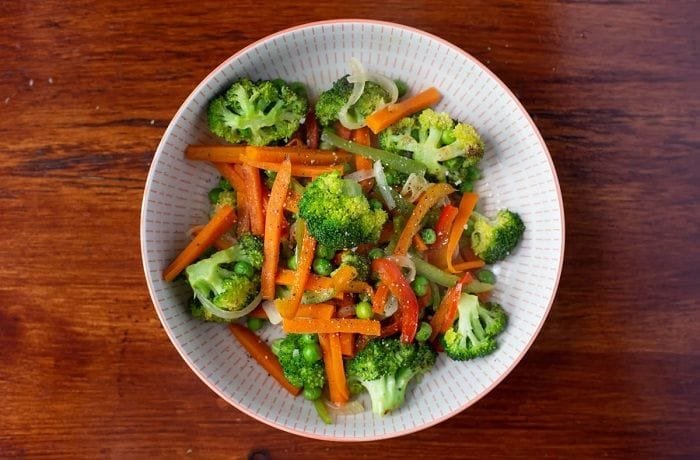
Verduras salteadas are sautéed vegetables made by cooking carrot and bell pepper strips and broccoli florets in olive oil over medium-high heat for 5 minutes, then adding onion, garlic, and peas, seasoning, and finishing covered over low heat for 3 to 5 minutes. They take 20 minutes of preparation plus 15 minutes of cooking and serve 4 people.
They are a quick, healthy, and colorful side for any protein, made with your favorite or seasonal vegetables in a skillet or wok.
How to Make Sautéed Vegetables?
The secret is to cut the vegetables to a similar size and add them according to their cooking times so they all end up perfectly done.
Nutritional Information
Each serving of sautéed vegetables contains approximately 80 kcal, 3 g of protein, 3 g of fat, 11 g of carbohydrates, 4 g of fiber, 4 g of sugars, 0 mg of cholesterol, and 150 mg of sodium. These values are estimates and may vary depending on ingredients and portion sizes.
Homemade Verduras Salteadas Recipe
Preparation: 20 minutes
Cooking: 15 minutes
Servings: 4 people
Ingredients
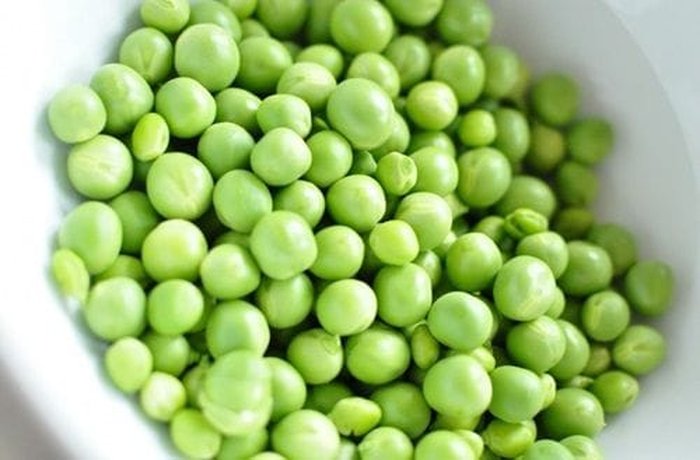
- 100 g (3/4 cup) of peas
- 2 carrots
- 1 green bell pepper
- 1 red bell pepper
- 1 small broccoli
- 1 clove of garlic
- 1/2 onion
- Olive oil
- Fine salt
- Black pepper
Instructions
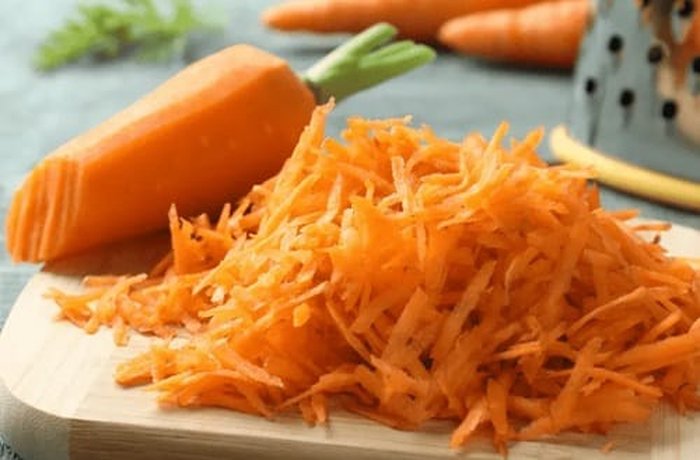
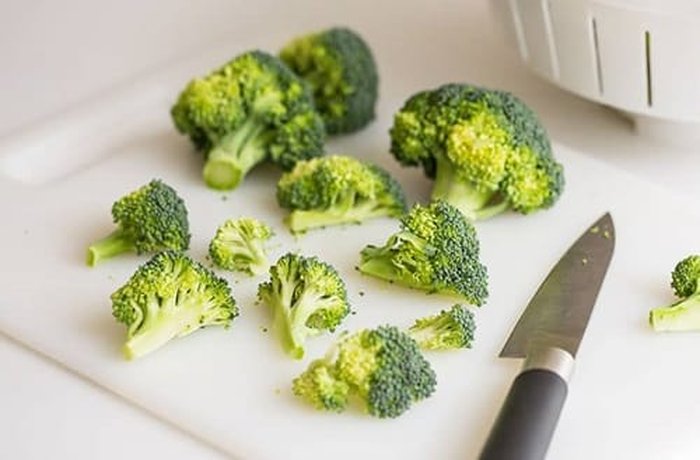
- Wash all the vegetables in cold water. Peel the carrots, onion, and garlic. Cut the carrots and peppers into strips, slice the onion and garlic thinly, and cut the broccoli into florets.
- In a large nonstick skillet or wok, heat a good splash of olive oil over medium-high heat. Add the carrots, peppers, and broccoli and cook for 5 minutes, stirring now and then.
- Add the onion, garlic, and peas, sauté for a couple of minutes more, and season with salt and pepper. Cover, lower the heat to minimum, and cook for 3 to 5 more minutes, until the vegetables are done to your liking.
- Adjust the seasoning and serve right away, on their own or as a side to a main dish.
Additional Tips
Keep the heat high
For crisp vegetables that do not steam, cook over high heat and in batches if needed.
Add acidity
A few drops of lemon juice, rice vinegar, or balsamic just before serving brighten the flavors.
Blanch hard vegetables
Blanch carrots or broccoli for 1 minute in boiling water to keep their color.
| Original ingredient | Substitute | Ratio | Flavor note |
|---|---|---|---|
| Broccoli | Cauliflower or green beans | 1:1 | Different texture |
| Olive oil | Vegetable stock | A few tablespoons | Oil-free |
| Peas | Corn kernels | 1:1 | Sweeter |
| Plain | With soy sauce | 1 tablespoon | Asian style |
Frequently Asked Questions (FAQs)
1. What does sautéing mean?
It is a technique of cooking small pieces of food quickly in a hot pan with a little fat over high heat, keeping their texture, flavor, and nutrients.
2. What other vegetables can I add?
Sliced mushrooms, zucchini, asparagus, or red cabbage; add leafy greens like spinach at the end.
3. How do I keep the vegetables bright?
Cook over high heat for a short time in a wide pan, and blanch harder vegetables first.
4. Can I make it without oil?
Yes, use small amounts of vegetable stock or water, or a good nonstick pan with a little spray oil.
What Are Verduras Salteadas?
Verduras salteadas are simply sautéed vegetables, a quick, versatile side dish in Chilean home cooking.
History of Sautéing
Stir-frying developed in ancient Chinese cooking as a fast way to cook small pieces over intense heat in a wok, and the French later gave the technique its name, sauté.
Did You Know?
The Spanish word verdura comes from verde, green, from the Latin viridis, originally naming edible green plants.
How to adapt this recipe to a vegan or vegetarian version?
How to adapt this recipe to a gluten-free version?
How to adapt this recipe to a keto (ketogenic) version?
Recommended
- Chilean Chicken Chop Suey
- Chilean Arroz Primavera
- Chilean Baked Reineta with Vegetables
- Chilean Roast Pork Loin