

Chilean fried wantán are crispy wontons made with homemade or store-bought wrappers filled with cooked pork, shrimp, cabbage, onion, garlic, ginger, and soy sauce, folded into triangles, sealed with water, and fried until golden, served with soy, sweet and sour, or tamarind sauce. They take about 90 minutes of preparation, including resting the dough, plus 10 minutes of frying and serve 4 people.
Wantán are a staple starter in Chinese restaurants across Chile.
How to Make Fried Wontons?
You can buy wonton wrappers at an Asian grocery, or make them quickly at home with flour, egg, water, and salt. The filling is mixed, spooned onto the wrappers, folded, and fried.
Nutritional Information
Each serving of fried wontons contains approximately 300 kcal, 30 g of carbohydrates, 15 g of fat, 12 g of protein, 2 g of fiber, 2 g of sugars, 50 mg of cholesterol, and 600 mg of sodium. These values are estimates and may vary depending on ingredients and portion sizes.
Homemade Chilean Wantán Frito Recipe
Preparation: 90 minutes
Cooking: 10 minutes
Servings: 4 people
Wrapper Ingredients (or 1 package of wonton wrappers)
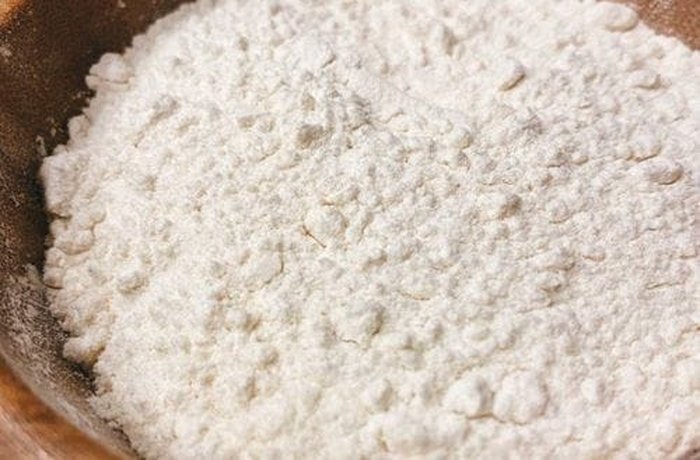
- 2 cups of all-purpose flour
- 125 ml (1/2 cup) of water
- 1 egg
- 1 teaspoon of salt
- Cornstarch for dusting

Wrapper Instructions
- In a large bowl, mix the flour, egg, salt, and water and knead for 20 minutes into a strong dough. Cover with plastic and rest for 1 hour. Roll it out very thin and cut into 10 cm (4 in) squares, dusting with a little cornstarch.
Filling and Frying Ingredients
- 100 g (3.5 oz) of pork, cooked and chopped
- 1 cup of shrimp, cooked and chopped
- 1 cup of chopped cabbage
- 1 onion, chopped
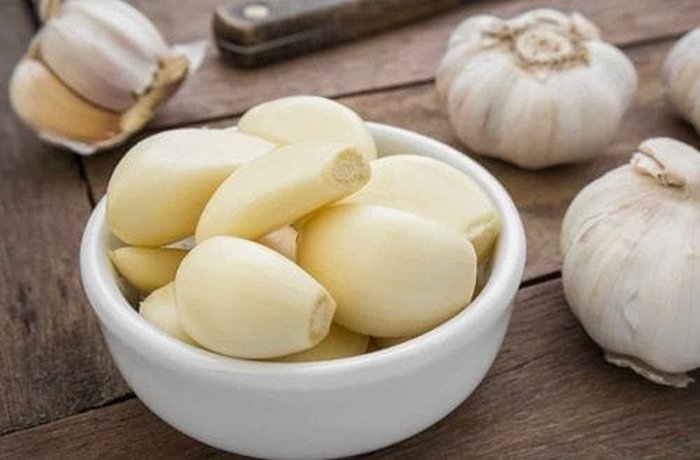
- 2 cloves of garlic
- 1 tablespoon of grated ginger
- 2 tablespoons of soy sauce
- Vegetable oil for frying
Filling and Frying Instructions
- In a large bowl, combine the cooked shrimp and pork, cabbage, onion, garlic, ginger, and soy sauce, mix well, and let rest a couple of minutes.
- Lay the wrappers on a clean surface, place a spoonful of filling in the center of each, moisten the edges with water, fold into triangles, and seal with your fingers.

- Heat the oil in a skillet over medium-high heat to about 170 C (338 F) and carefully fry the wontons until golden and crisp. Serve right away with soy, sweet and sour, or tamarind sauce.
Additional Tips
Sauté the aromatics
Lightly sauté the garlic, onion, and ginger and let them cool before mixing, for more flavor and less moisture.
Squeeze the cabbage
Salt the chopped cabbage, let it rest 10 minutes, and squeeze out the liquid for a firmer filling.
Seal well
Use water or egg white on the edges so the wontons do not open while frying.
| Original ingredient | Substitute | Ratio | Flavor note |
|---|---|---|---|
| Pork and shrimp | Chicken, tofu, or fish | 1:1 | Different flavor |
| Homemade wrappers | Store-bought wonton wrappers | 1 package | Much faster |
| Fried | Baked at 180 C | 10 minutes | Less crisp |
| Water to seal | Egg white | Stronger seal |
Frequently Asked Questions (FAQs)
1. Can I use other fillings?
Yes, chicken, tofu, stir-fried vegetables, or fish all work.
2. How do I seal them best?
Moisten the edges with water and press firmly, or use egg white for a stronger seal.
3. Can I bake them?
Yes, at 180 C (356 F) for about 10 minutes, although they will be less crisp.
4. Can I freeze them before frying?
Yes. Freeze them on a tray without touching, then store in a bag and fry from frozen.
What Is Wantán?
Wantán, the Chilean name for wontons, are small dough parcels filled with meat, seafood, or vegetables, fried or steamed, a favorite starter in Chilean Chinese restaurants.
History of the Wonton
Wontons come from southern China, around Guangzhou, and spread across China over the centuries before traveling abroad with Cantonese emigrants.
Did You Know?
Chinese cuisine is divided into many regional styles, including Cantonese, Sichuan, Hunan, Shanghai, and Fujian, each with its own specialties.