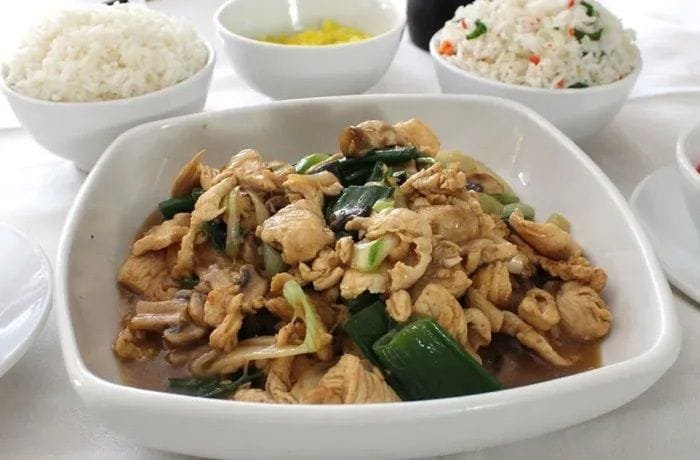
Mongolian chicken is a dish of Asian origin, originally made with chicken breast marinated in soy sauce and rice wine, that has become very popular in the West with a somewhat simplified process based on ingredient availability, while staying just as delicious.
In Chile it’s a weeknight favorite, built around a glossy soy-based sauce that clings to bite-sized chicken and scallions, almost always served alongside fried rice.
How to Make Mongolian Chicken?
To make Mongolian chicken, you basically need bite-sized chicken pieces and fresh scallions, both the white bulb and green stalk, a popular Chinese-inspired option to enjoy as a main dish served with fried rice.
Nutritional Information
Each serving of Mongolian chicken with rice contains approximately 400 kcal, 40 g of carbohydrates, 10 g of fat, 34 g of protein, 2 g of fiber, 3 g of sugars, 85 mg of cholesterol, and 1000 mg of sodium. (*)
(*) Values may vary depending on ingredients and portion sizes.
Homemade Mongolian Chicken Recipe
Prep time: 20 minutes
Cook time: 20 minutes
Servings: 4 people
Ingredients
- 400 g chicken breast
- 4 tablespoons soy sauce
- 2 scallions, chopped
- 1 tablespoon cornstarch
- 1 teaspoon ginger
- Fine salt
- Black pepper
Instructions
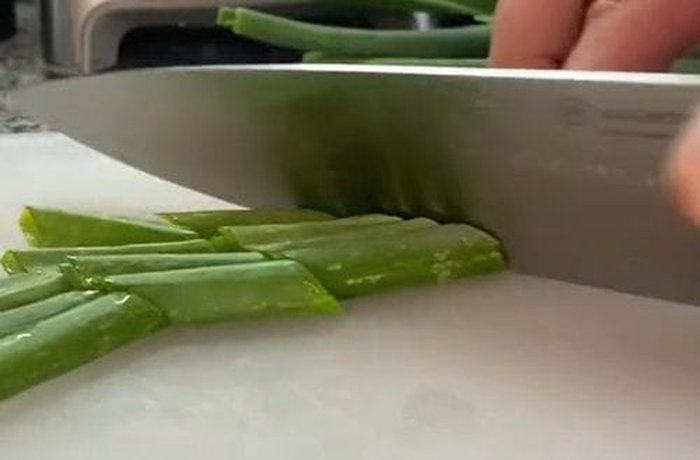
- Wash the scallions in cold water, remove any dark outer leaves, and cut the white and green parts of the stalk diagonally. Cut the chicken breasts into evenly sized pieces, season with salt and pepper to taste, optionally add a touch of ginger, and set aside.
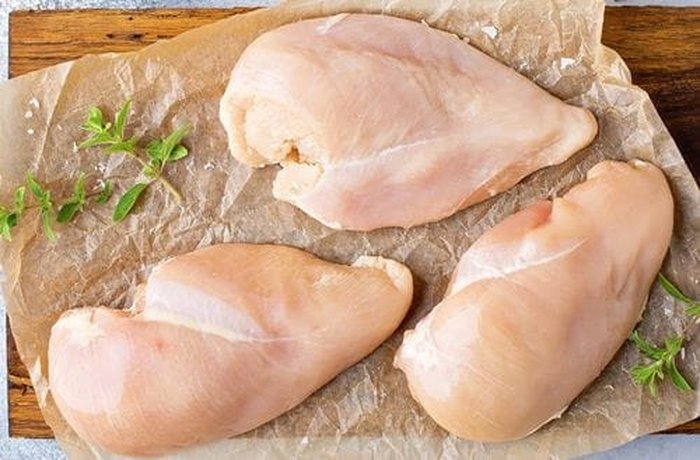
- In a large pan, add a splash of oil, heat over high heat, add the chicken, and stir-fry for a few minutes; lower the heat, add the soy sauce, and cook for a couple more minutes. Add the scallions, mix everything together, check the seasoning, and keep cooking until the chicken is fully cooked through.
- Dissolve the cornstarch in half a cup of cold water, stir it in, and keep cooking until the scallions are just tender and the sauce thickens; optionally add a small drizzle of oil and remove from the heat. Serve immediately, topped with the scallions and bathed in the sauce, alongside fried rice and a sweet and sour sauce.
Additional Tips
Try Chicken Thighs Instead of Breast
Optionally, you can use boneless, skinless chicken thighs, since they’re juicier and more tender than chicken breast fillets and hold up better to high heat.
Cut Scallions on the Diagonal
Cutting the scallion on the diagonal exposes more of the fiber’s surface to the heat, letting the essential oils in the bulb and stalk release faster while keeping the green part crisp instead of wilting.
Bring the Sauce to a Brief Boil
When adding the cornstarch dissolved in water at the end, make sure the sauce comes to a brief boil. This cooks the starch, removes any raw, floury taste, and turns the liquid into a glossy, clinging glaze.
| Substitution | Use instead of | Effect |
|---|---|---|
| Boneless chicken thighs | Chicken breast | Juicier, more tender bite |
| Low-sodium soy sauce | Regular soy sauce | Lighter, healthier version |
| Fresh grated ginger and garlic | Extra salt | Deeper umami without added sodium |
| Steamed white rice | Fried rice | Lighter side dish |
Frequently Asked Questions (FAQs)
1. Can I use another cut of chicken instead of breast?
Absolutely. In fact, using boneless, skinless thighs is an expert-level recommendation. Thigh meat is juicier and holds up better to intense stir-fry heat without drying out, giving the dish a richer flavor.
2. How do I lower the sodium without losing flavor?
Mongolian chicken is naturally high in sodium because of the soy sauce. The best option is to use low-sodium soy sauce and make up for it with a bit more fresh grated ginger and a pinch of garlic, which boost the umami without extra salt.
3. Why did my sauce turn out cloudy instead of glossy?
This usually happens when the cornstarch is dissolved in hot water or added straight as a powder to the pan. Always dissolve the cornstarch in cold water first. The controlled thermal shock when it hits the hot pan is what creates that clear, glossy finish.
4. Do I need to wash the scallions before using them?
Yes, it’s essential. Scallions grow in direct contact with soil and can trap residue between their layers. Rinse them under cold running water, removing any wilted outer layers, to keep the dish clean and fresh-tasting.
5. What does the ginger add to this recipe?
Ginger acts as the perfect counterpoint to the oil’s fat and the soy sauce’s saltiness. It brings a citrusy, slightly spicy note that cleanses the palate and gives Mongolian chicken that authentic wok aroma.
Did You Know?
The name “Mongolian” doesn’t refer to the dish’s geographic origin. In the past, the best meat available in China often came from Mongolia, so the term “Mongol” became associated with dishes made from “exotic” ingredients.
How to adapt this recipe to a vegan or vegetarian version?
How to adapt this recipe to a gluten-free version?
How to adapt this recipe to a keto (ketogenic) version?
Recommended
- Homemade Sweet and Sour Sauce
- Chilean Pumpkin Cream Soup
- Chilean Zucchini Loaf
- Chilean Cochayuyo Seaweed Burgers