

Chilean pumpkin cream soup, known locally as crema de zapallo, is a velvety and nourishing dish made from butternut or camote pumpkin, sautéed vegetables, and homemade broth. It comes together in about 70 minutes and delivers a smooth, warming bowl that works equally well as a starter or a light main course.
This is one of those classic Chilean soups that appears on family tables from May through August, when pumpkins are at their peak. It is simple enough for a weeknight dinner yet satisfying enough to serve to guests.
How to Make Chilean Pumpkin Cream Soup?
The key to a great crema de zapallo lies in gently sweating the aromatics before adding the pumpkin, and in blending everything until perfectly smooth. Use a hand blender directly in the pot for fewer dishes, or transfer to a stand blender in batches. Season at the end, once the texture is set, for precise control over salt and spice.
Nutritional Information
Each serving of Chilean pumpkin cream soup provides approximately 150 kcal, 20 g of carbohydrates, 7 g of fat, 3 g of protein, 4 g of dietary fiber, 4 g of sugars, 20 mg of cholesterol, and 400 mg of sodium. Values may vary depending on ingredients and portion size.
Homemade Chilean Pumpkin Cream Soup Recipe
Prep: 30 minutes
Cook: 40 minutes
Servings: 4
Ingredients
- 700 g yellow pumpkin (camote or butternut variety)
- 400 ml vegetable broth
- 15 g butter
- 15 ml cooking oil
- 1 medium onion
- 1 stalk celery
- 1 carrot
- Heavy cream (to serve)
- Fresh parsley, chopped
- Chives, chopped
- Croutons
- Fine salt
- Black pepper

Instructions
- Heat the oil in a large pot over medium-high heat and melt the butter. Add the onion, celery, and carrot cut into large chunks and sauté, stirring occasionally, for 5 minutes.
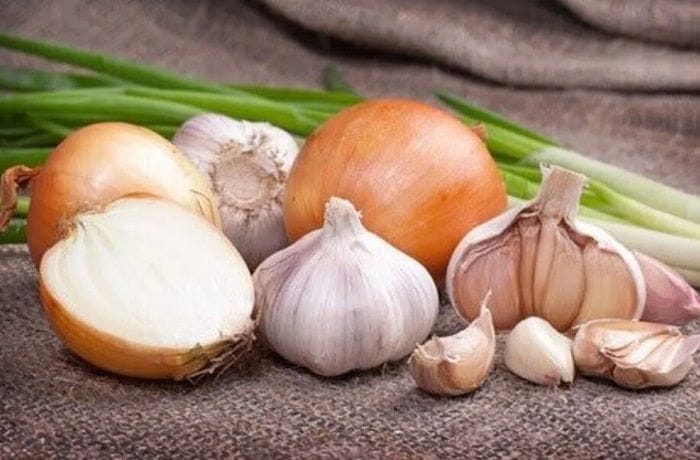
- Add the peeled and diced pumpkin and cook for another 5 minutes. Pour in the vegetable broth, without fully covering the vegetables, and simmer for 15 minutes or until the pumpkin is tender.

- Blend all the vegetables using a hand blender or stand blender until smooth. Adjust the texture by adding a little water if needed, then season with salt and pepper to taste.

- Serve hot with croutons. Optionally add a drizzle of heavy cream, chopped parsley, or chives on top.
Additional Tips
Choose the Right Pumpkin
Camote or butternut pumpkin gives the best results: the flesh is denser, less watery, and naturally sweeter than common storage pumpkin. Look for pieces with firm skin, no soft spots, and substantial weight for their size.
Adjust the Texture to Your Liking
For a thicker soup, reduce the amount of broth during cooking. For a lighter consistency, add extra water or broth while blending. If using a hand blender, process directly in the pot with the heat off to avoid hot splatter.
Deepen the Flavor Before Blending
Roasting the pumpkin pieces in the oven at 200°C for 15 minutes before adding them to the pot caramelizes the natural sugars and deepens the final flavor of the soup. A pinch of nutmeg or freshly grated ginger stirred in just before blending also adds complexity.
| Ingredient | Substitute |
|---|---|
| Vegetable broth | Chicken broth or salted water |
| Butter | Olive oil or coconut oil |
| Heavy cream | Plain yogurt, coconut milk, or evaporated milk |
| Croutons | Toasted bread, seeds, or toasted pumpkin seeds |
Frequently Asked Questions (FAQs)
Can you make pumpkin cream soup without heavy cream?
Yes. Heavy cream is optional in this recipe — the creaminess comes mainly from the blended cooked pumpkin. Good substitutes include plain yogurt, coconut milk, or evaporated milk, all of which give a similar texture with less fat.
How long does pumpkin cream soup keep in the refrigerator?
Stored in a tightly sealed container, Chilean pumpkin cream soup keeps for 3 to 4 days in the refrigerator. Reheat over low heat, stirring to restore the texture, and add a splash of water or broth if it has thickened during storage.
Can you freeze pumpkin cream soup?
Yes, it is one of the soups that freezes particularly well. Let it cool completely, then divide into individual portions in freezer-safe containers. It keeps for up to 3 months. Thaw overnight in the refrigerator and reheat gently over low heat.
What type of pumpkin is best for cream soup?
Camote pumpkin is the most recommended choice for its dense flesh, deep yellow color, and natural sweetness. Butternut squash is a close alternative with similar results. Avoid hard-skinned storage pumpkins, which tend to be more watery and less flavorful for creams and soups.
What Is Chilean Pumpkin Cream Soup?
Chilean pumpkin cream soup, or crema de zapallo, is a blended vegetable soup made from yellow pumpkin — typically the camote or butternut variety — cooked with onion, celery, carrot, and broth, then puréed to a smooth, velvety consistency. It is served hot and garnished with croutons, a drizzle of cream, and fresh herbs such as parsley or chives.
History of Pumpkin Soup in Chile
Pumpkin has been central to Andean and Mapuche cuisine for thousands of years, long before European contact. The Chilean version of cream of pumpkin soup evolved from indigenous stews and potages that used the abundant local zapallo as the primary ingredient. During the colonial period, European cooking techniques — such as sautéing aromatics and using dairy enrichments — were incorporated, giving rise to the creamy, blended version known today. Crema de zapallo remains one of the most popular home-cooked soups in Chile, especially during the cold winter months from May through August.
Did You Know?
Chilean pumpkin cream soup is one of the most popular liquid dishes in the country. Although traditionally served hot in winter, it can also be enjoyed cold in summer, paired with fresh seasonal ingredients such as carrots, celery, and herbs. Pumpkin is also a potent antioxidant that supports cardiovascular health and helps regulate cholesterol, while its high fiber content aids digestion and prevents constipation.