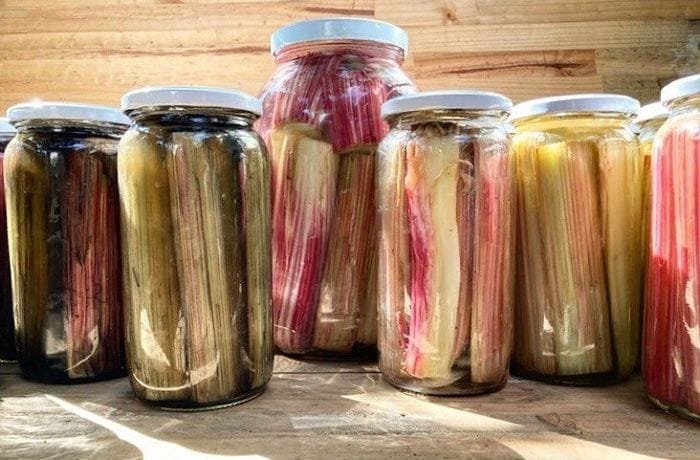
Pickled nalca is an innovative yet traditional way to preserve nalca stalks once the short harvest season ends, turning a wild native plant into a tangy, crunchy condiment that keeps for months in the pantry.
Nalca (Gunnera tinctoria) is a giant native herb from southern Chile, and its tart, refreshing stalk is normally eaten fresh in curanto or salads, but pickling it in brine, vinegar, or wine lets you enjoy it year-round.
How to Make Chilean Pickled Nalca?
Pickled nalca can be made two ways, one using a simple salt brine and the other using apple cider vinegar or wine, always tasting a piece of the raw stalk first to confirm it isn’t bitter before pickling it.
Nutritional Information
Each serving of pickled nalca contains approximately 10 kcal, 0 g of protein, 0 g of total fat, 0 mg of cholesterol, 2 g of available carbohydrates, 0 g of sugars, and 800 mg of sodium. (*)
(*) Values may vary depending on ingredients and portion sizes.
Homemade Encurtidos de Nalca Recipe
Prep time: 20 minutes
Servings: 8 people
Ingredients
- 2 ripe, firm nalca stalks
- 1 liter purified water
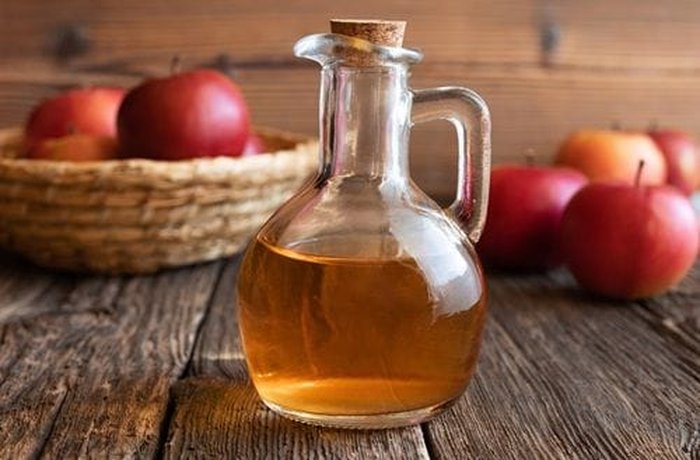
- 1 liter apple cider vinegar
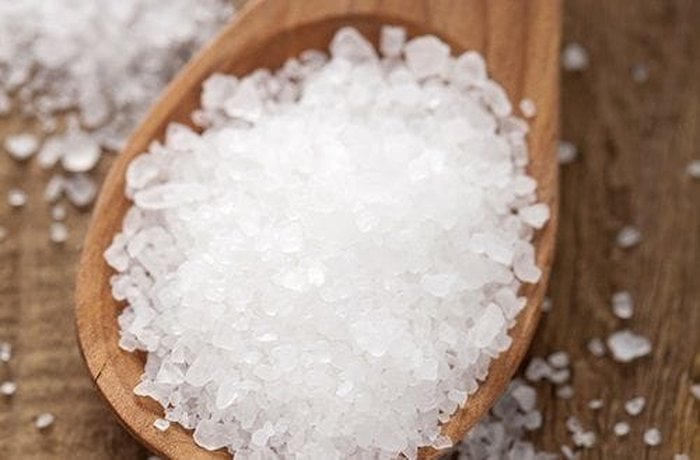
- 100 g sea salt
Instructions
- In a medium pot, make the brine by dissolving the salt in the water, stirring and letting it rest a couple of times to make sure it’s fully dissolved.
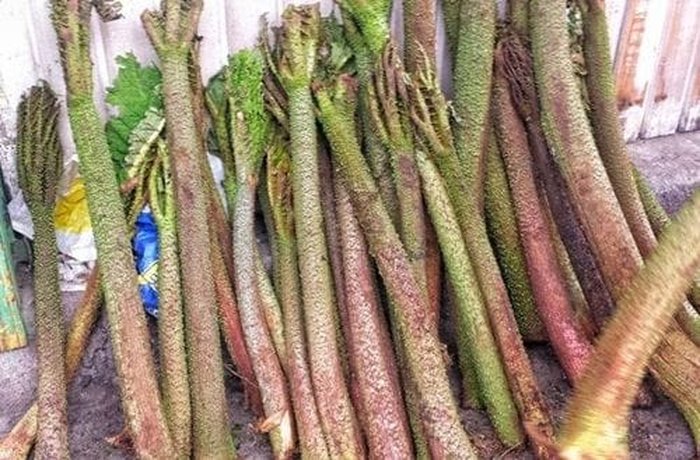
- Peel the nalca stalks, remove any excess fibers, and cut into pieces the length of the jars you’ll use (cleaned and sterilized); gently place them inside without packing them too tightly.
- Fill the previously sterilized jars with the brine or vinegar all the way to the top, covering the nalca completely, wipe the rims with a clean cloth, and seal tightly.
Additional Tips
Add Aromatics to Each Jar
You can add spices like garlic, mustard seed, bay leaf, or dried chili to each jar before sealing for an aromatic, distinctive touch.
Let It Rest Before Eating
Let the jars rest for at least 7 days in a cool, dark place before eating. This allows the flavors to develop and gives a more balanced acidity.
Always Taste a Raw Piece First
Not every nalca stalk is equally tart. Taste a small raw piece before pickling to confirm it isn’t bitter, since bitterness only intensifies once it’s preserved.
| Substitution | Use instead of | Effect |
|---|---|---|
| White wine | Apple cider vinegar | Milder, more delicate acidity |
| Salt brine only | Vinegar | Softer, more traditional flavor |
| Garlic and bay leaf | Plain brine | Extra aromatic depth |
| Dried chili flakes | Black pepper | Spicier, bolder pickle |
Frequently Asked Questions (FAQs)
1. What is nalca and what is it used for?
Nalca (Gunnera tinctoria) is a giant herb native to Chile, valued for its nutritional and medicinal properties. Its edible stalk, with a tart and refreshing flavor, is used in curanto, salads, or pickles.
2. How do I know if the nalca is fresh and ready to pickle?
The nalca should be ripe and firm, with a deep red stalk and no signs of rot. Taste a piece to make sure it isn’t bitter.
3. Which vinegar works best for pickled nalca?
Apple cider vinegar or white wine vinegar are recommended, since they add a milder, fruitier flavor that complements the tartness of the nalca.
4. How long should the pickled nalca rest before eating?
It’s best to let the jars rest for at least 7 days in a cool, dark place. This time lets the flavors develop and gives the nalca the desired texture and acidity.
What Is Nalca?
Nalca (Gunnera tinctoria) is a giant herb native to Chile, considered sacred by the Indigenous peoples of the south and eaten for thousands of years for its nutritional value and medicinal properties, including infusions from the stalk for stomach ailments and a gel from the stalk’s base used for burns, fever, and infections.
History of Pickling in Chile
Pickling as a preservation technique dates back to ancient Mesopotamia, where it has been used for more than 4,000 years; it later spread to China through international trade and from there to the rest of the world.
Did You Know?
Nalca is one of the largest native plants in southern Chile, with leaves that can grow wide enough to shelter a person from the rain, and its stalk has been part of the local diet for thousands of years.
How to adapt this recipe to a vegan or vegetarian version?
How to adapt this recipe to a gluten-free version?
How to adapt this recipe to a keto (ketogenic) version?
Recommended
- Chilean Nalca and Digüeñes Salad
- Chilean Ulte Seaweed Salad
- Chilean Spicy Rosehip Sauce
- Chilean Apricot Jam