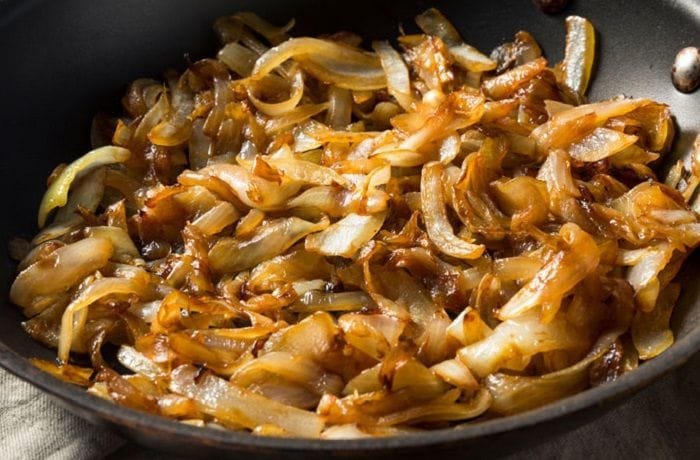
Caramelized onions are sliced or diced onions softened in olive oil with salt, sprinkled with a teaspoon of baking soda to release their juices and sugars, and cooked over the lowest heat for about 30 minutes until deep brown, finished with optional sugar and a splash of balsamic vinegar. They take 15 minutes of preparation and 45 minutes of cooking, and serve 6.
One of the most delicious ways to prepare onion, turning its own sugars into caramel through Maillard reactions.
How to Make Caramelized Onions?
There are few secrets: quality ingredients and patience, without rushing any stage. Cut the onion in thin or thick strips for strands, or in small dice for a jam like texture.
Nutritional Information
Each serving of caramelized onions contains approximately 100 kcal, 1 g of protein, 4 g of fat, 0 mg of cholesterol, 22 g of carbohydrates, 20 g of sugars, and 200 mg of sodium. These values are estimates and may vary depending on ingredients and portion sizes.
Homemade Caramelized Onions Recipe
Preparation: 15 minutes
Cooking: 45 minutes
Servings: 6
Ingredients
- 1 kg (2.2 lb) of onions
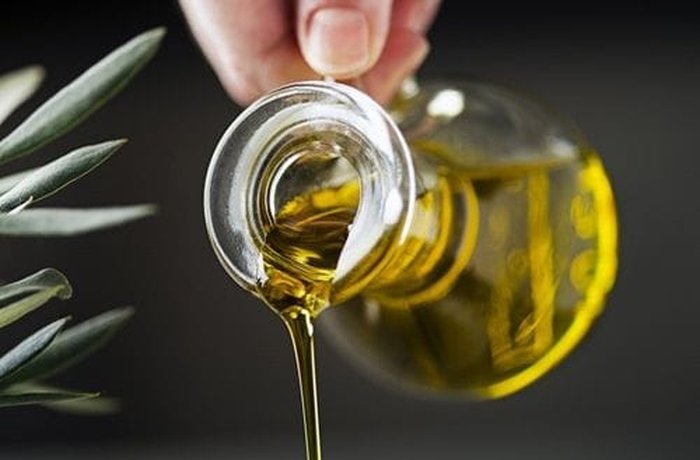
- 2 tablespoons of olive oil
- 2 teaspoons of sugar
- 1 teaspoon of balsamic vinegar
- 1 teaspoon of baking soda
- Fine salt
Instructions
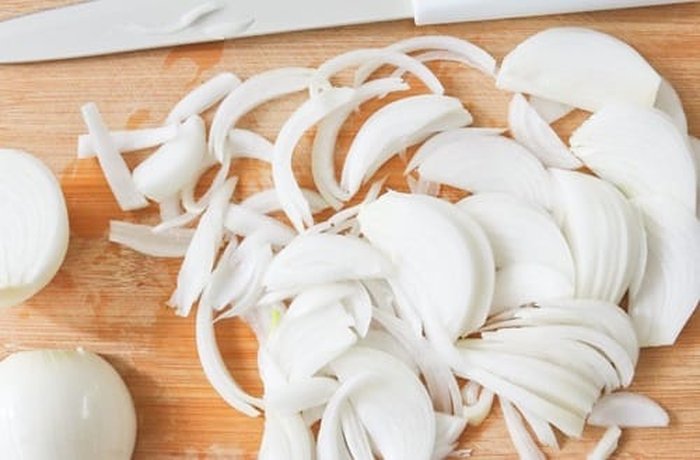
- Peel the onions and cut them as you like: thin or thick strips for a stranded result, or small dice for a jam like texture. In a large skillet, heat the olive oil over medium heat.
- Add the onions and a little salt and stir with a wooden spoon to spread them evenly, then lower the heat and cook for 5 minutes. Sprinkle in the baking soda and stir gently; it helps release the onion’s natural sugars and some of its water.
- Cook a couple of minutes until the onion turns yellowish and sits in its own juice. Lower the heat to the minimum and cook for about 30 more minutes, stirring now and then, until the onion darkens, its sugars caramelize, and the water evaporates.
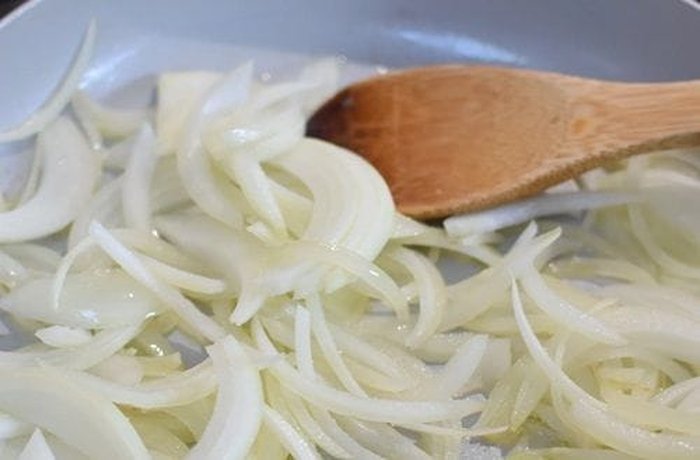
- If you like, add the sugar and stir for 2 to 3 minutes until it dissolves and caramelizes. For a tangy contrast, add the balsamic vinegar and stir. Serve with all kinds of dishes.
Additional Tips
Lowest heat
High heat burns the outside before the fibers soften; low heat and patience are the key.
Uncovered
Cook uncovered so the water evaporates and the onions thicken.
Add water if needed
If the pan dries before the onions brown, add a tablespoon of water and keep going.
Make ahead
Keep in an airtight jar in the fridge for 5 to 7 days and use through the week.
| Original ingredient | Substitute | Ratio | Flavor note |
|---|---|---|---|
| White or yellow onion | Red onion | 1 kg | Deeper color, slightly sharper |
| Sugar | No sugar | 2 tsp | Less shine, same flavor |
| Balsamic vinegar | Sherry vinegar | 1 tsp | Drier |
| Olive oil | Butter | 2 tbsp | Richer |
Frequently Asked Questions (FAQs)
1. Can I make it without white sugar?
Absolutely. Onion has its own natural sugars; baking soda and cooking time are enough to draw them out. Added sugar is optional and boosts color and shine if you are short on time.
2. Which onion is best for caramelizing?
All work, but white or yellow onions are ideal for their balance of water and sugar. Red onion is also excellent, with a deeper color and slightly sharper note.
3. Why do my onions look burnt but stay hard?
The heat is too high: the outer sugar burns before the heat breaks down the inner fibers. Use the lowest heat and be patient.
4. How long does it keep?
Five to seven days in an airtight jar in the fridge, ideal for making ahead.
5. Should I cover the pan?
No; cooking uncovered lets the water evaporate so the mixture thickens. If it dries too fast before browning, add a spoonful of water.
Benefits of Onion
Onion has antibacterial and anti inflammatory compounds, and it provides minerals such as potassium, phosphorus, and calcium, plus vitamins B and C.
Did You Know?
Wild onions have never been found, but research places their origin and domestication in the mountainous regions of Iran, Turkey, Pakistan, and Afghanistan.
How to adapt this recipe to a vegan or vegetarian version?
How to adapt this recipe to a gluten-free version?
How to adapt this recipe to a keto (ketogenic) version?
Recommended
- Chilean Meatball Sandwich Recipe
- Chilean Homemade Burgers Recipe
- Crispy Homemade Onion Rings Recipe
- Chilean Style French Onion Soup Recipe