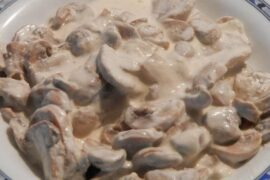
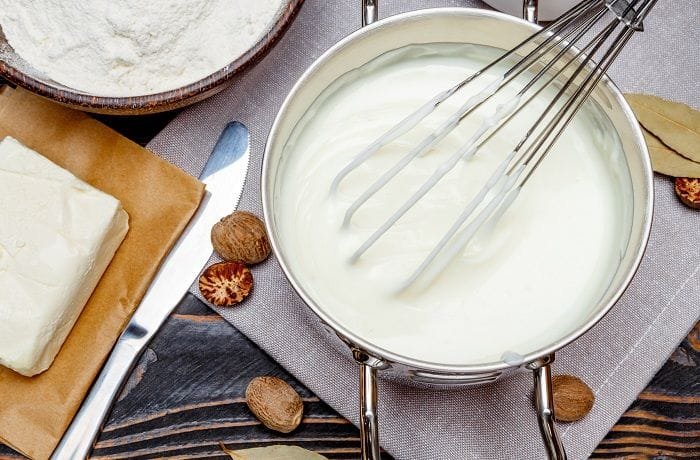
Easy homemade bechamel sauce is a roux of 50 g of butter and 50 g of sifted flour cooked over low heat, whisked little by little into 600 ml of warm whole milk, and seasoned with sea salt and a pinch of nutmeg, then cooked gently to the thickness you want. It takes 20 minutes of preparation and 25 minutes of cooking, and serves 4.
A classic in many dishes, easy to make if you follow a few good practices for a smooth, lump free result.
How to Make Easy Bechamel Sauce?
Whether you want it thinner for pasta or thicker for croquettes or roast chicken, measure the ingredients beforehand, warm the milk, and add it gradually while whisking.
Nutritional Information
Each serving of homemade bechamel sauce contains approximately 230 kcal, 17 g of carbohydrates, 15 g of fat, 6 g of protein, 0 g of fiber, 7 g of sugars, 45 mg of cholesterol, and 150 mg of sodium. These values are estimates and may vary depending on ingredients and portion sizes.
Easy Homemade Bechamel Sauce Recipe
Preparation: 20 minutes
Cooking: 25 minutes
Servings: 4
Ingredients
- 600 ml (2½ cups) of whole milk
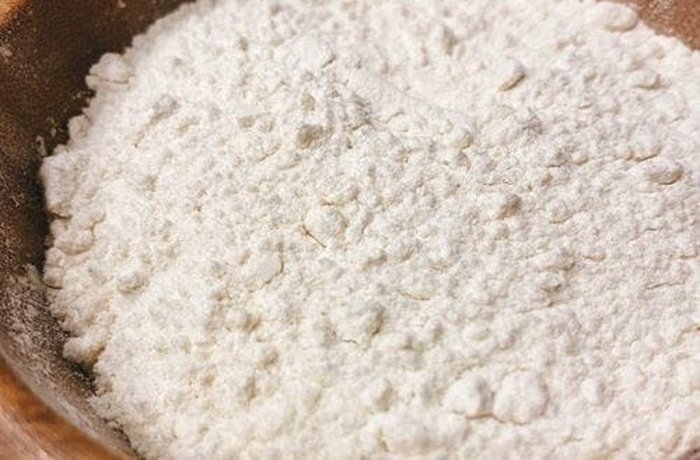
- 50 g (6 tablespoons) of wheat flour
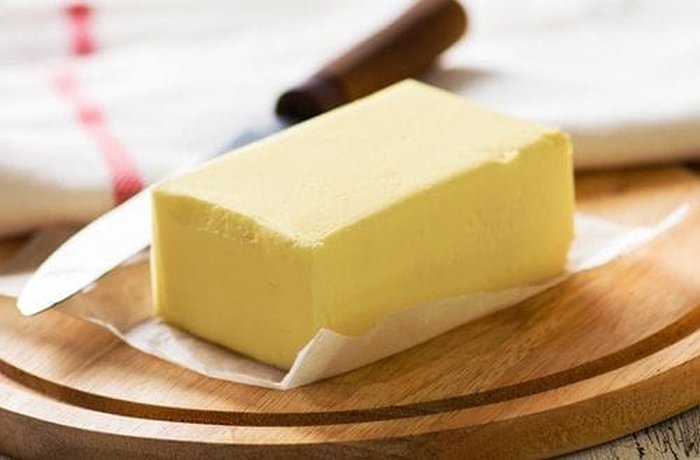
- 50 g (3½ tablespoons) of butter
- 1 pinch of nutmeg
- Sea salt

Instructions
- Heat a large skillet over low heat and melt the butter, then add the sifted flour and stir with a wooden spoon until it forms a smooth roux.
- In a medium pot, warm the milk over medium heat for about 5 minutes without boiling. Add the milk to the skillet little by little, whisking constantly in circles or figure eights across the bottom.

- Make sure everything is well combined and lump free, then add the salt and a pinch of nutmeg, stir, and keep over low heat until it reaches the consistency you want.
Additional Tips
Rescue lumps
If the lumps will not dissolve with the whisk, blend the sauce until smooth and continue cooking.
Warm milk
Warm milk added gradually to a hot roux is the key to a smooth sauce.
Cover the surface
Press plastic wrap on the surface while it cools so no skin forms.
Thicker for croquettes
Use less milk or a little more roux for a sauce firm enough to shape.
| Original ingredient | Substitute | Ratio | Flavor note |
|---|---|---|---|
| Whole milk | Skim milk | 600 ml | Lighter, thinner |
| Butter | Olive oil | 50 ml | Dairy note lost |
| Wheat flour | Cornstarch | 25 g | Gluten free, glossier |
| Nutmeg | White pepper | 1 pinch | Subtle heat |
Frequently Asked Questions (FAQs)
1. What is a roux and what proportion does bechamel use?
A roux is cooked flour and fat, usually butter, in equal parts (here, 50 g of each). It thickens and binds the sauce, and cooking it first keeps the flour from tasting raw.
2. How do I avoid lumps?
Warm the milk without boiling and pour it gradually over the hot roux on low heat, whisking constantly. If lumps still appear, blend the sauce before finishing.
3. How do I adjust the consistency?
For a looser sauce for pasta or lasagna, keep 600 ml of milk for 50 g of flour. For a thick sauce to shape, such as for croquettes, use less liquid or a little more roux.
4. Why add nutmeg?
Nutmeg is the signature spice of classic bechamel; it adds a warm, slightly sweet note without masking the creaminess.
5. Where does bechamel come from?
Although it was consolidated by French haute cuisine, a popular story credits it to the Florentine cooks of Catherine de’ Medici, who brought it to the French court when she married the future Henry II in the 16th century.
Bechamel Sauce for Lasagna
Bechamel is a classic base for lasagna, giving a creamy texture and mild flavor that complements the layers of pasta and meat. It also works in creamed spinach and filled cannelloni.
What Is a Roux?
A roux is the mixture of flour and fat used to bind basic sauces such as bechamel, Spanish sauce, and velouté.
How to adapt this recipe to a vegan or vegetarian version?
How to adapt this recipe to a gluten-free version?
How to adapt this recipe to a keto (ketogenic) version?
Recommended
- Homemade White Sauce Recipe
- Creamed Spinach Recipe
- Homemade Eggplant Lasagna Recipe
- Chilean Swiss Chard Gratin Recipe