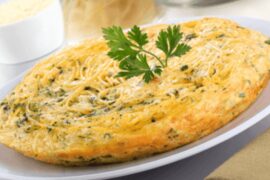
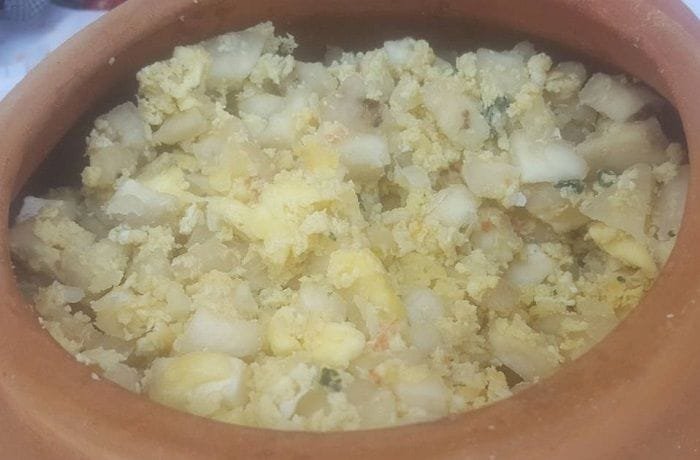
Chuño with eggs, or chuño con huevo, is white chuño, the freeze dried potato of the Andes, soaked overnight, boiled, and then scrambled with eggs and diced fresh cheese, finished with parsley. It takes 20 minutes of preparation, plus overnight soaking, and about 10 minutes of cooking, and serves 4.
It is a quick, simplified version of chuño phuti from northern Chile, just as tasty and nourishing.
How to Make Chuño with Eggs?
The chuño must be soaked for at least 12 hours before cooking. It is then simmered briefly, mixed in a skillet with three beaten eggs, combined with cubes of fresh cheese, and finished with a last egg for 30 seconds so it stays creamy.
Nutritional Information
Each serving of chuño with eggs contains approximately 400 kcal, 16 g of protein, 14 g of fat, 180 mg of cholesterol, 50 g of carbohydrates, 2 g of sugars, 4 g of fiber, and 350 mg of sodium. These values are estimates and may vary depending on ingredients and portion sizes.
Homemade Chuño with Eggs Recipe
Preparation: 20 minutes (plus overnight soaking)
Cooking: 10 minutes
Servings: 4
Ingredients
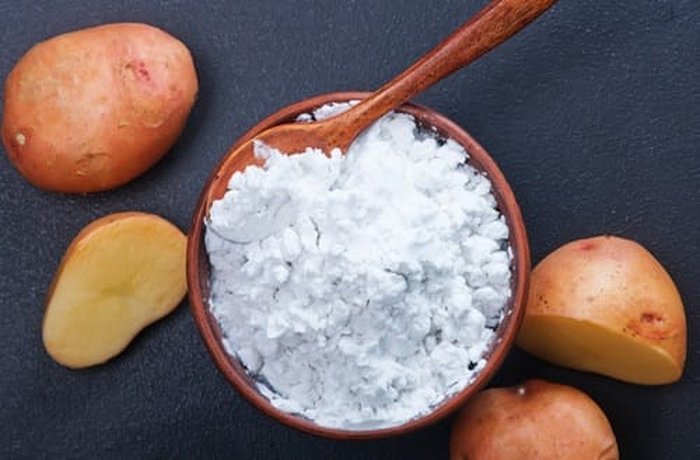
- 250 g of white chuño (dry)
- 200 g of fresh cheese (queso fresco)
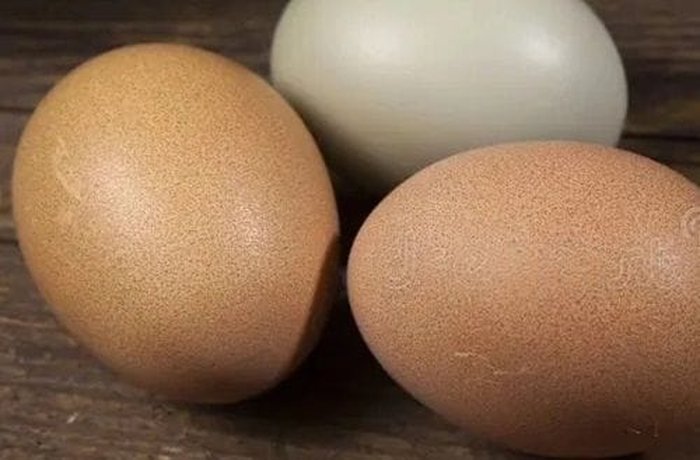
- 4 eggs
- Fresh parsley
- Salt
Instructions
- Place the chuño in a large bowl and cover with warm water, stirring gently so it starts to rehydrate, and let it soak overnight. Put a splash of water in a medium pot, add the drained chuño, bring to a boil, and simmer on the lowest heat for about 10 minutes.
- In a large skillet over low heat, add 3 beaten eggs, then the chuño, and cook while stirring with a wooden spoon until combined. Add the fresh cheese cut into small cubes, stir, and add the last egg, cooking for about 30 seconds more.
- Without letting it overcook, taste and adjust the seasoning. Serve right away, topped with chopped fresh parsley, on its own or with anything you like.
Additional Tips
Do not skip the soak
Chuño needs at least 12 hours in water to rehydrate. Changing the water once or twice also softens its characteristic earthy flavor.
Keep it creamy
Cook over low heat and add the last egg at the end for just 30 seconds, so the eggs stay soft and coat the chuño.
Use a good fresh cheese
A mild, slightly salty fresh cheese melts just enough to bind the dish. Add it in cubes so some pieces stay whole.
| Original ingredient | Substitute | Ratio | Flavor note |
|---|---|---|---|
| White chuño | Black chuño | 1:1 | Earthier, darker |
| Fresh cheese | Goat cheese | 1:1 | Tangier, very Andean |
| Parsley | Cilantro | 1:1 | Fresher |
| Plain | Add sautéed onion | ½ onion | Sweeter, more flavor |
Frequently Asked Questions (FAQs)
1. What is chuño and where does it come from?
Chuño is dehydrated potato, a preservation method developed by the peoples of the Andes. Potatoes are frozen at night and dried in the sun, which leaves them wrinkled and lets them keep for a very long time, so they must be soaked before cooking.
2. What does chuño mean in Quechua?
The word chuño comes from Quechua and is usually translated as wrinkled, after the look of the potatoes once dehydrated.
3. Do I have to soak the chuño first?
Yes, it needs at least 12 hours. Leave it overnight covered with warm water, then simmer it in a pot with a splash of water on the lowest heat for about 10 minutes.
4. Is chuño with egg the same as chuño phuti?
This recipe is a simplified, quicker version of chuño phuti. The rehydrated chuño is cooked in a skillet with eggs and fresh cheese until creamy.
Benefits of Chuño
Chuño is a high energy food rich in starch, and it keeps for years without refrigeration, which is why it has been a staple of Andean diets for centuries. Combined with eggs and cheese, it makes a balanced, filling meal.
Chuño in Chile
In Chile, chuño is part of the traditional cooking of the Aymara and Quechua communities of the far north, in the Arica y Parinacota and Tarapacá regions, where it appears in stews, soups, and dishes such as chuño phuti.
Did You Know?
To make chuño, potatoes are left outside on freezing Andean nights and dried in the sun by day, then trampled to squeeze out the water, a natural freeze drying technique used for thousands of years.
How to adapt this recipe to a vegan or vegetarian version?
How to adapt this recipe to a gluten-free version?
How to adapt this recipe to a keto (ketogenic) version?
Recommended
- Andean Chuño Phuti Recipe
- Chilean Chuño Cookies Recipe
- Chilean Andean Alpaca Pot Roast Recipe
- Chilean Andean Calapurca Recipe