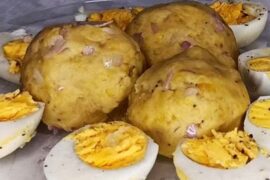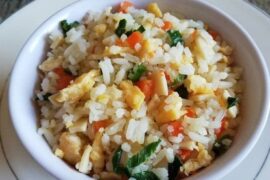
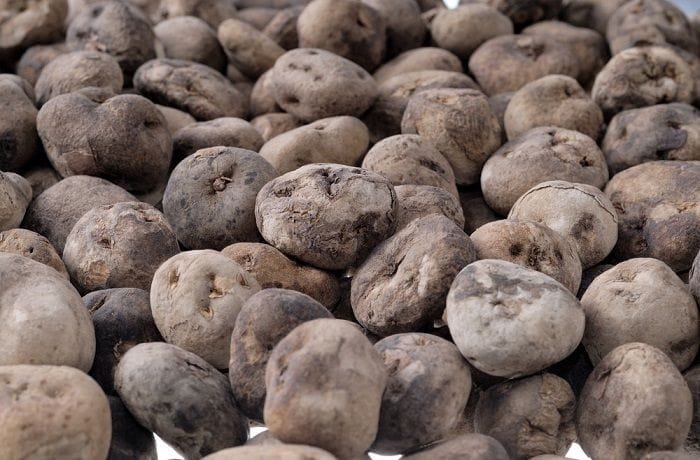
Chuno phuti is an Andean dish of northern Chile in which chuno, the traditional freeze dried potato, is rehydrated, boiled with bones, and sauteed with onion, garlic, aji de color, oregano, and eggs, finished with crumbled sheep or goat cheese. It takes 12 hours of soaking plus 30 minutes of cooking and serves 6 people.
Chuno, also called the white gold of the Aymara, is made by dehydrating potatoes with an artisanal freeze drying technique, a traditional way of preserving potatoes and other Andean tubers for long periods.
How to Make Chuno Phuti?
The chuno is first rehydrated for 12 hours, then peeled and chopped, boiled until soft, and added to a sofrito of onion and garlic together with eggs. It is served hot as a starter or side, often with fresh cheese crumbled over the top.
Nutritional Information
Each serving of chuno phuti contains approximately 250 kcal, 20 g of carbohydrates, 15 g of fat, 10 g of protein, 3 g of fiber, 2 g of sugars, 150 mg of cholesterol, and 300 mg of sodium. These values are estimates and may vary depending on ingredients and portion sizes.
Homemade Andean Chuno Phuti Recipe
Preparation: 12 hours (soaking)
Cooking: 30 minutes
Servings: 6 people
Ingredients
- 500 g (1.1 lb) of black chuno
- 5 eggs
- 4 garlic cloves
- 2 onions, finely chopped
- 1 tablespoon of aji de color (Chilean paprika seasoning)
- 1 tablespoon of oregano
- 1/4 cup of oil
- Sheep or goat cheese
- Beef or pork bones
- Fine sea salt
Instructions
- Soak the chuno in warm water overnight, about 12 hours. The next day, peel it, cut it into pieces, and rinse it in cold water several times to remove any bitter taste.
- Place the chuno pieces in a pot, add 1 teaspoon of salt and the bones, and cover with cold water. Bring to a boil over medium heat and cook until the chuno is soft. Drain and set aside.
- In a frying pan, heat the oil over medium high heat and saute the onions, garlic, aji de color, and oregano until golden. Add the cooked chuno and the eggs and cook, stirring, for 3 more minutes.
- If you like, crumble the goat cheese over the top before serving, stir, and warm over low heat. Serve the chuno phuti immediately, on its own or with salads or a main dish.
Additional Tips
Rinse well before boiling
Once rehydrated, wash and rinse the chopped chuno very well in cold water before boiling it with the bones. It is the simplest way to avoid overly bitter or astringent flavors.
Do not overcook the eggs
The eggs should bind the chuno and stay soft. Take the pan off the heat as soon as they set so the dish stays moist.
Use a fresh, salty cheese
A young sheep or goat cheese that crumbles easily is ideal. Its saltiness balances the earthy taste of the chuno.
| Original ingredient | Substitute | Ratio | Flavor note |
|---|---|---|---|
| Black chuno | White chuno (tunta) | 1:1 | Milder, whiter |
| Goat cheese | Feta | 1:1 | Saltier |
| Beef bones | Vegetable stock | To cover | Lighter, vegetarian |
| Aji de color | Sweet paprika | 1:1 | Milder |
Frequently Asked Questions (FAQs)
1. Why does chuno need to soak overnight?
Chuno is completely dehydrated, so it needs about 12 hours in warm water to rehydrate. Soaking also starts to remove the bitter taste of the skin.
2. How do I remove the bitterness?
After soaking, peel the chuno, cut it into pieces, and rinse it in cold water several times before boiling. This removes most of the bitter and astringent flavors.
3. What is the difference between black and white chuno?
Black chuno is frozen at night and dried in the sun after the water is squeezed out by trampling. White chuno, or tunta, is also soaked in running water, which gives it a whiter color and milder flavor.
4. Can I make it without the bones?
Yes. The beef or pork bones only add flavor to the cooking water. You can boil the chuno in salted water or vegetable stock instead.
What Does Chuno Mean?
Chuno comes from the Quechua word ch’unu and refers to potatoes dehydrated by freezing. Andean potatoes are exposed to night frosts and daytime sun to remove their water, which lets them be stored for a very long time.
Chuno in Andean Cuisine
Black and white chuno are part of the Indigenous Andean diet and of the cooking of the regions where they are produced: northwestern Argentina, the Bolivian altiplano, northern Chile, southern Ecuador, and southern Peru. In Chile it is most common in the Aymara communities of the far north.
Did You Know?
Stored in a dry place, chuno can keep for years, which is why Andean communities have relied on it for centuries as a food reserve against poor harvests and long winters.
How to adapt this recipe to a vegan or vegetarian version?
How to adapt this recipe to a gluten-free version?
How to adapt this recipe to a keto (ketogenic) version?
Recommended
- Chilean Papas Buna Recipe
- Chilean Andean Calapurca Recipe
- Chilean Aymara Huatia Recipe
- Quechua Pachamanka Recipe