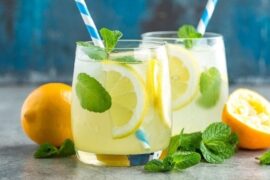
Artichoke water, or agua de alcachofa, is the cooking water of artichokes infused with lemon slices and fresh mint, cooled, and served warm or cold as a light herbal drink. It takes 10 minutes of preparation and about 50 minutes of cooking, and serves 6.
It is a perfect example of using everything in the kitchen, since the artichokes become a main dish while their cooking water keeps some of their compounds and becomes a refreshing infusion.
How to Make Artichoke Water?
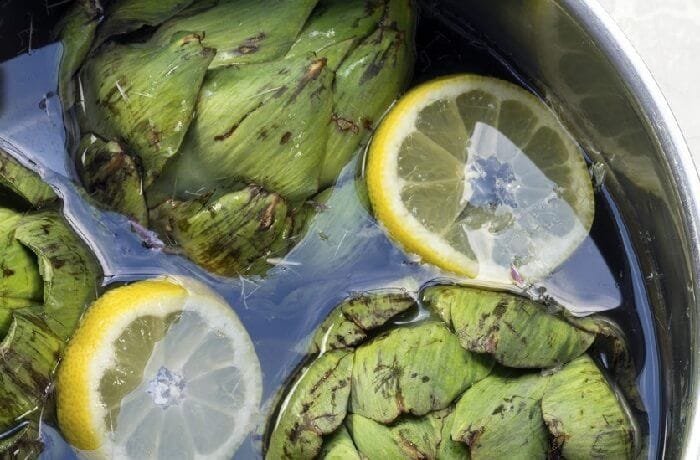
Artichoke water is made from the water used to boil artichokes, since part of their nutrients stays in it. The artichokes are boiled for about 30 minutes and removed, then lemon and mint are added to the water, which steeps covered for 20 minutes before cooling.
Nutritional Information
Each serving of artichoke water contains approximately 10 kcal, 0.5 g of protein, 0 g of fat, 0 mg of cholesterol, 2 g of carbohydrates, 1 g of sugars, and 5 mg of sodium. These values are estimates and may vary depending on ingredients and portion sizes.
Homemade Artichoke Water Recipe
Preparation: 10 minutes
Cooking: 50 minutes
Servings: 6
Ingredients
- 3 liters (12 cups) of water
- 2 large artichokes
- 1 lemon
- Fresh mint leaves

Instructions
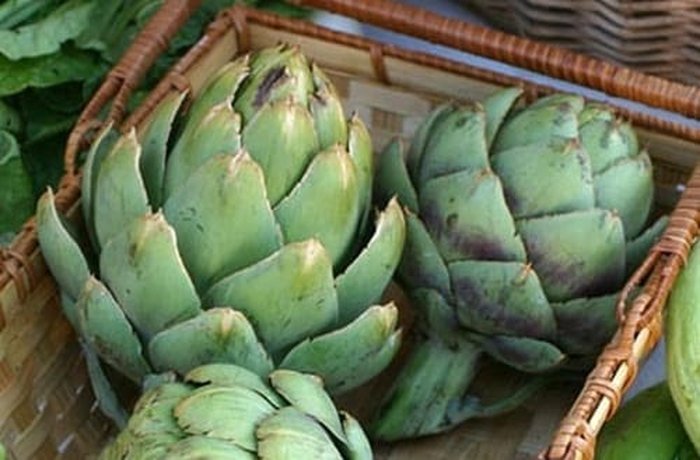
- Wash the artichokes well in cold water, removing any damaged parts or dirt, trim the stem, and carefully cut them in half. In a large pot, add the water and the artichokes.
- Bring to a boil over high heat and cook for about 30 minutes, until the base of the stem is tender. Remove the artichokes to eat or store. Keep the water on low heat and add a few lemon slices and mint leaves.
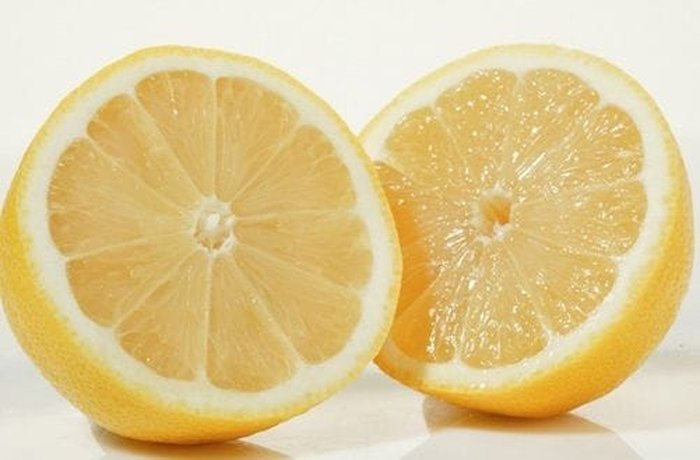
- Cover the pot and let it steep for 20 minutes. Remove the lemon and mint and let cool to room temperature. Serve warm or cold, plain or sweetened, and keep it in the fridge for up to 7 days.
Additional Tips
Add fennel seeds
A teaspoon of fennel seeds during cooking adds aroma and helps balance the slightly metallic taste of artichoke.
Add fresh ginger
A piece of grated fresh ginger in the last 10 minutes adds warmth and pairs perfectly with the lemon and mint.
Use the trimmings
The outer leaves and stems you do not eat are full of flavor and can be boiled to make the water.
| Original ingredient | Substitute | Ratio | Flavor note |
|---|---|---|---|
| Mint | Lemon verbena (cedrón) | A few leaves | More citrusy |
| Lemon | Orange slices | ½ orange | Sweeter |
| Plain | Honey | 1 teaspoon per glass | Softens bitterness |
| Whole artichokes | Outer leaves and stems | From 3 to 4 artichokes | Uses trimmings |
Frequently Asked Questions (FAQs)
1. Why does water taste sweet after drinking it?
Artichokes contain cynarin, which temporarily inhibits the sweet receptors on the tongue. When you drink plain water afterward, the contrast makes it taste sweet.
2. Can I use only the leftover outer leaves?
Yes. The outer leaves and stems are full of flavor, and it is a great way to use them after eating the heart.
3. What if it tastes too bitter?
Dilute it with more warm water, or add a piece of fresh ginger or a little honey to balance the bitterness.
4. Is it normal for the water to turn greenish or brown?
Yes, it is the natural release of pigments and oxidation of polyphenols. As long as it smells fresh and has been refrigerated, the color change is harmless.
Properties of Artichoke Water
Artichoke water is traditionally drunk as a light, low calorie infusion to aid digestion and help with bloating. It is not a medicine or a weight loss treatment, but it can be part of a balanced diet.
Precautions
Artichoke water is generally not recommended for pregnant or breastfeeding women or for people with bile duct obstruction or gallstones. If in doubt, consult a health professional.
Did You Know?
Unsalted, cooled artichoke water can also be used to water houseplants, a simple way to reuse it once a week.
How to adapt this recipe to a vegan or vegetarian version?
How to adapt this recipe to a gluten-free version?
How to adapt this recipe to a keto (ketogenic) version?
Recommended
- Homemade Oat Water Recipe
- Golden Milk Recipe
- Bay Leaf, Cinnamon, and Lemon Infusion Recipe
- Homemade Fresh Tomato Juice Recipe