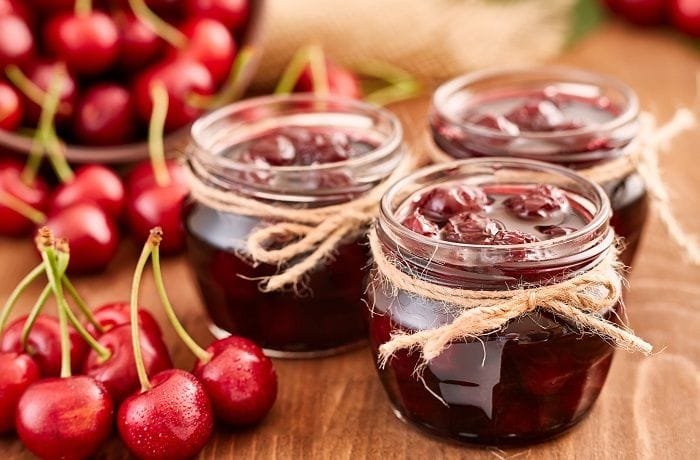
Chilean mermelada de cerezas is a homemade cherry jam made by pitting 500 g of cherries, macerating them for 45 minutes with 250 g of sugar and lemon juice, and cooking them for about 30 minutes until thick, then jarring the jam hot in sterilized jars. It takes 60 minutes of preparation plus 30 minutes of cooking and makes 6 servings.
It is a summer favorite in Chile, worth making in season to enjoy right away and keep for the rest of the year.
How to Make Chilean Cherry Jam?
Like most jams, cherry jam is made from fresh fruit and sugar, with a little lemon juice to help the natural pectin set. The fruit is macerated first so it releases its juices, then cooked until thick.
Nutritional Information
Each serving of cherry jam contains approximately 110 kcal, 27 g of carbohydrates, 0 g of fat, 0.5 g of protein, 2 g of fiber, 25 g of sugars, and 1 mg of sodium. These values are estimates and may vary depending on ingredients and portion sizes.
Homemade Chilean Mermelada de Cerezas Recipe
Preparation: 60 minutes
Cooking: 30 minutes
Servings: 6
Ingredients
- 500 g (1.1 lb) of cherries
- 250 g (1 1/4 cups) of sugar
- 30 ml (2 tablespoons) of lemon juice

Instructions
- Wash the cherries well in fresh water, removing stems and discarding any damaged fruit. Pit them with a knife, a cherry pitter, or by pushing a straw through them on a firm surface, then weigh them and place them in a bowl.
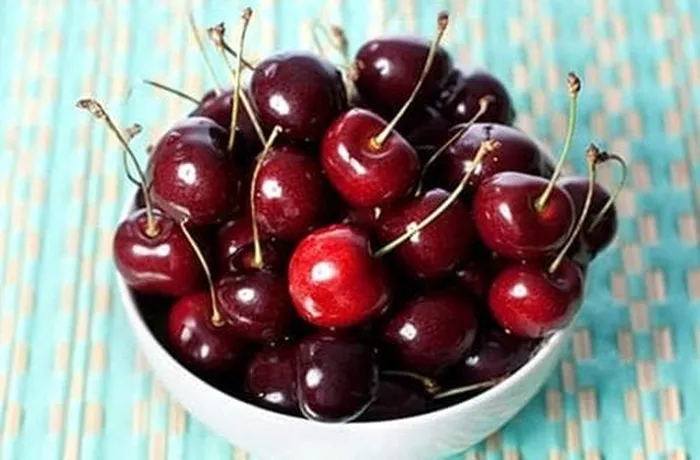
- Add the lemon juice and half their weight in sugar, stir with a wooden spoon, cover with plastic wrap, and let rest for about 45 minutes so the fruit releases its juices.
- Transfer the cherries to a pot, ideally copper, bring to a boil over high heat, then lower to medium-low and cook for about 30 minutes, stirring now and then so the sugar does not catch, until it reaches the consistency you want.
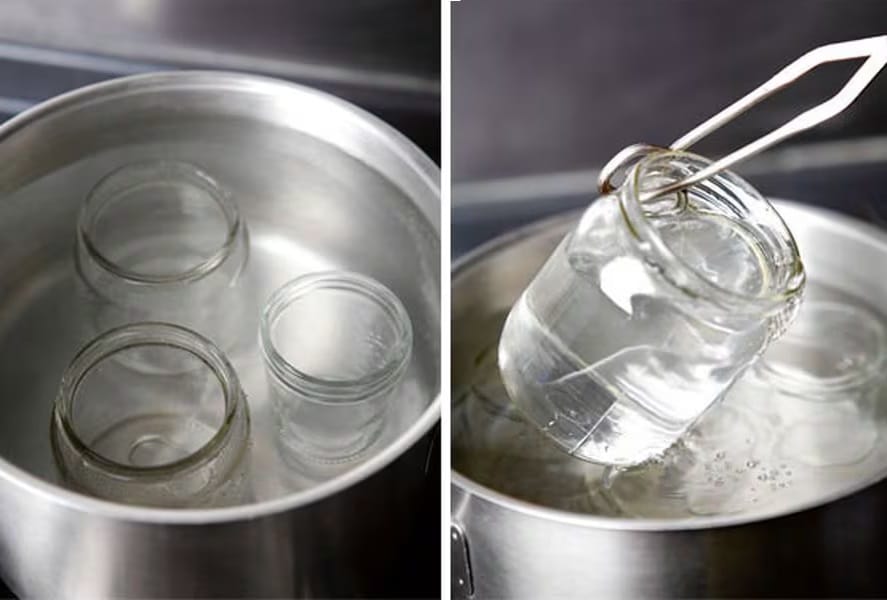
- Pour the jam immediately into sterilized jars, cool them upside down, and store in a cool, dry place. Refrigerate once opened.
Additional Tips
Test on a cold plate
Hot jam always looks runnier than cold. Put a sample on a plate, cool it quickly, and draw a line through it with a spoon; if it holds, it is ready.
Macerate first
Resting the cherries with sugar and lemon helps them release their juices, so no water is needed and cooking is faster.
Use a heavy pot
A heavy-bottomed pot and regular stirring keep the jam from sticking as it thickens.
| Original ingredient | Substitute | Ratio | Flavor note |
|---|---|---|---|
| Sweet cherries | Sour cherries | 1:1 | Tarter, may need more sugar |
| Lemon juice | Pectin | 1/2 teaspoon | Firmer set |
| Fresh cherries | Frozen pitted cherries | 1:1 | Available year-round |
| Sugar | Half sugar, half honey | 1:1 | Rounder flavor |
Frequently Asked Questions (FAQs)
1. How do I sterilize glass jars?
Submerge them in a large pot of water and boil for at least 10 minutes, then lift them out carefully with tongs and drain upside down.
2. Which cherries work best?
Any variety works. Dark sweet cherries are the most common; with sour cherries you may need a little more sugar.
3. How long does it keep?
Properly sterilized and sealed, up to a year in a cool, dry place. Once opened, refrigerate and eat within 3 weeks.
4. What if it is too runny?
Add a little more lemon juice and cook a few minutes longer, or stir in 1/2 teaspoon of powdered pectin dissolved in cold water at the end.
What Is Mermelada de Cerezas?
Mermelada de cerezas is a Chilean homemade cherry jam made in December and January, when Chilean cherries are in season.
Benefits of Cherries
Cherries provide fiber, vitamins, minerals, and antioxidants such as anthocyanins, which give them their deep red color.

Did You Know?
Chile is the world’s largest exporter of fresh cherries, and much of its harvest is shipped to China, where demand peaks around the Lunar New Year.